PMS getting worse in the 30s happens when women notice stronger mood swings, cramps, or bloating before their period. Hormone changes, especially in estrogen and progesterone, make PMS symptoms feel harder to manage than in the 20s. Women may also feel tired, moody, or irritable more often.
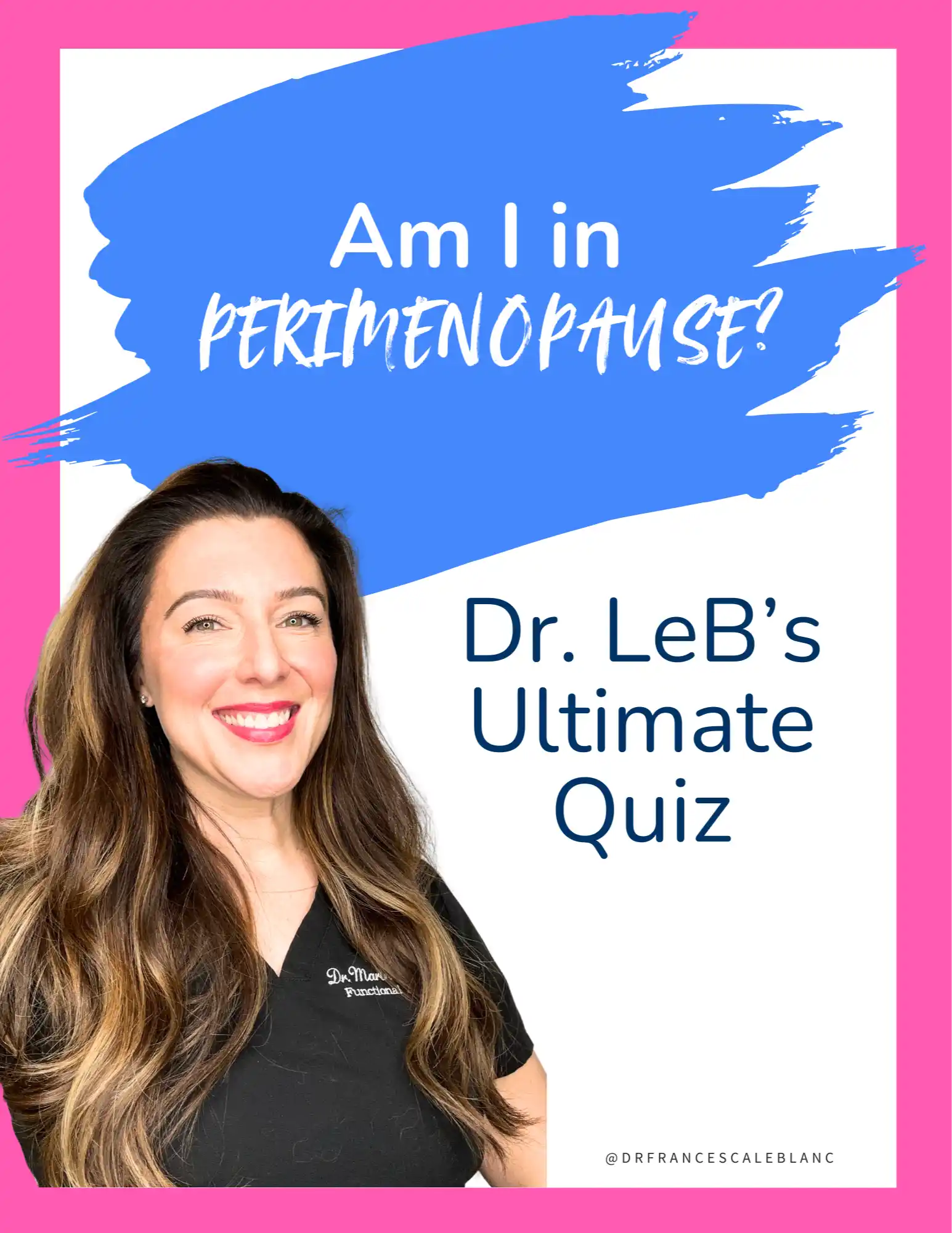
Dr. Francesca LeBlanc at LabWell Healthcare helps women understand why PMS can get worse in their 30s. She teaches women to track their symptoms, notice patterns, and take calm, practical steps to feel better and in control.
PMS Getting Worse in 30: Mood Swings
One of the main signs of PMS getting worse in the 30s is mood swings. Women may feel sad, angry, or anxious for no clear reason. These changes can happen suddenly and feel intense.
Writing down how you feel each day can help identify patterns. Simple breathing exercises, quiet time, and gentle stretching may help balance emotions and create stability.
PMS Getting Worse in 30s: Cramps and Pain
Many women notice stronger cramps or pelvic pain before their period. PMS getting worse in the 30s can make this pain feel more intense or last longer than before.
Heat therapy, light exercise, and gentle movement can help relieve discomfort. Small daily habits often make cramps easier to manage over time.
PMS Getting Worse in 30s: Bloating
Bloating is another common symptom. Women may feel heavier or notice that clothes fit tighter before their period. Hormone changes cause water retention, which makes the belly feel full or puffy.
Tracking meals, hydration, and exercise helps reduce bloating. Slow, steady routines support comfort better than quick fixes.
PMS Getting Worse in 30s: Fatigue
Feeling tired is very common. PMS getting worse in the 30s can make women feel low in energy days before their period. Simple tasks may feel harder, and motivation may drop.
Tracking energy levels, eating balanced meals, and resting when needed can support recovery. Gentle routines help maintain steady mood and stamina.
PMS Getting Worse in 30s: Sleep Problems
Many women notice sleep changes when PMS worsens. It may be hard to fall asleep, or nights may feel restless. Hormone shifts affect melatonin and cortisol, which control sleep cycles.
Keeping the room dark, limiting screens, and relaxing before sleep may improve rest quality and reduce PMS intensity.
Digestive and Appetite Changes
PMS getting worse in the 30s can affect digestion. Some women feel bloated, constipated, or notice changes in appetite. These changes often happen with mood swings and fatigue.
Noticing what you eat and how it makes you feel builds awareness. Simple steps can support digestion and help the body stay calmer during PMS.
Headaches and Body Pain
Some women get headaches, back pain, or sore muscles before their period. PMS getting worse in the 30s can make these pains stronger or more frequent.
Hydration, gentle stretching, and relaxation techniques may reduce discomfort and improve overall comfort during this phase.
Tracking PMS Symptoms
Tracking symptoms is very helpful. Writing down mood, sleep, energy, appetite, cramps, and bloating helps reveal patterns. Over time, triggers become clear, and planning becomes easier.
Tracking is not about worry. It empowers women to take calm, informed actions and make supportive changes.
Lifestyle Tips for PMS
Small lifestyle changes help reduce PMS getting worse in the 30s. Balanced meals with protein, vegetables, and healthy fats support hormones. Gentle exercise, good sleep, and stress care also help.
Dr. Francesca LeBlanc explains that small daily steps create long-term change. LabWell Healthcare supports women with practical guidance that improves mood, energy, and overall comfort.