
genCategoriesEndocrine Disruptors Functional Medicine Nutrition Weight Loss

Are Your Genetics to Blame for Why You Can’t Lose Weight?

You wake up. You exercise. You eat a healthy breakfast. You take the stairs at work. You get the salad instead of the burger. You skip the candy bar from the vending machine at 2 p.m. You drink the protein drink. You go to the gym after work. You have a sensible dinner with the correct portion size. You go to bed early so your body can recover. 

You had finally decided to do something about those extra pounds you had been carrying around. You were motivated and excited to make a change. You do the same routine over and over again. You feel better and more robust, but every time you get on a scale, the weight is still there. You have no improvement, and discouragement starts to set in. You may not realize that there is something deeper happening in your body that is contributing to your weight.

The terms “overweight” and “obese” are defined as abnormal or excessive fat accumulation that may impair health. Worldwide obesity has nearly tripled since 1975, and in 2016, more than 1.9 billion adults, 18 years and older, were overweight. Of these, over 650 million were obese. (1) In the fast-paced world we live in, it is easy to see how picking up “take-out” for dinner can make the after-work routine a little less hectic. These extra calories, combined with sugary drinks and lack of exercise, add up over time. 

Your Genetics Play a Role

To complicate matters further, recent research suggests that your genes play a significant role in your predisposition to being overweight or obese. In fact, genetics contribute to 40-70% of those with obesity. Out of the roughly 25,000 genes that make up who you are, researchers have discovered more than 50 genes that are strongly associated with obesity.(2)

Genes give your body instructions on responding to the environment around it. What is now considered a disease could well have been an advantage in more primitive times when food was less available. High energy expenditure through physical activity was a way of life.(3) Our bodies’ instinct to hoard and store up calories for more challenging times was essential centuries ago but now serves as a disadvantage to modern life. This is just one of the ways the genes in our bodies can affect the propensity of obesity. Researchers have identified three different genetic causes of obesity:

  1. Monogenic causes: those caused by a single gene mutation, primarily located in the leptin-melanocortin pathway
  2. Syndromic obesity: severe obesity associated with other phenotypes, such as neurodevelopmental abnormalities and other organ/system malformations
  3. Polygenic obesity: caused by the cumulative contribution of a large number of genes whose effect is amplified in a ‘weight gain promoting’ environment (4)

Polygenic obesity is particularly interesting because it states that obesity inducing genes are amplified in a “weight gain promoting” environment.” That may not mean living across the street from a bakery. It may mean the type of nail polish your mother uses or the soap she bathes with for even those inside of the womb.

How Endocrine Disrupting Chemicals (EDCs) Keep You Fat

One of the many chemicals that has been linked to triggering the activation of obesity genes is bisphenol A; BPA, an industrial chemical that has been used to make certain plastics and resins since the 1960s.  A total of 13 studies were conducted before September 2017 to investigate BPA’s effects and its risk of obesity in children. Two meta-analyses were performed to investigate the association between BPA exposure and childhood obesity. The results showed that the relatively high-exposed group had a significantly higher risk of childhood obesity than the relatively low-exposed group. The study proved causality between BPA exposure and childhood obesity using data from epidemiological studies and showed that BPA exposure increased the risk of obesity in children. (5)

These endocrine-disrupting chemicals, termed “obesogens,” can promote adipogenesis and cause weight gain, and they may be around you more than you realize. Some common obesogens include High Fructose Corn Syrup, nicotine, arsenic (used in the production of insecticides, herbicides, pesticides, and electronic devices), pesticides, organotins (tributyltin and triphenyltin – found in contaminated seafood and shellfish, fungicides on crops, and as antifungal agents used in wood treatments, industrial water systems, and textiles. Organotins are also being used in the manufacture of PVC plastics and have been identified in drinking water and food supplies, and perfluorooctanoic acid which is used in non-stick cookware.

Find the Right Form of Exercise for You

The last thing anyone who finds themselves overweight or obese should do is give up hope, though. Even if factors bring on your condition outside of your control, you do have the power to take steps in lowering and regulating your weight and BMI. A study by Wan-Yu Lin of National Taiwan University and colleagues, identified the types of exercise that are especially effective at combating genetic effects that contribute to obesity.

The study of 18,000 Han Chinese adults, aged 30-70 years old, examined the interactions between the individuals’ genetics and their exercise routines. Researchers found that regular jogging was the best type of exercise for managing obesity. In addition to jogging, mountain climbing, moderate walking, power walking, certain types of dancing, and long yoga practices also reduce BMI in individuals predisposed to obesity. (6) The study concluded that when it comes to obesity, your genetics are not your destiny. As with any disease, a balanced diet and exercise mix seems to be the best solution.

My Final Thoughts

For those who have had a decades-long struggle with weight-loss, isn’t it reassuring to know that genetics play a role? As with any diet, exercise or weight-loss program, it is always best to be on the same page with your primary healthcare practitioner and if you are curious as to the functional medicine approach to weight-loss is different, contact me here to learn more.
beautyCategoriesEndocrine Disruptors Hormones

Why Clean Beauty Should Be Your Next Obsession

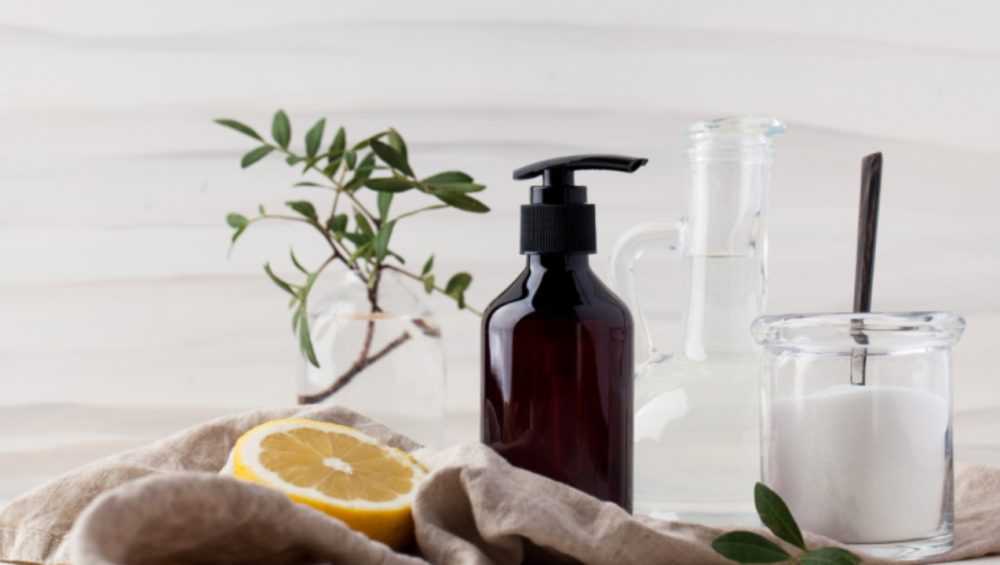
Clean beauty is all the rage and let me tell you, I’m here for it! Do you have hormonal imbalances? I’m sure you’ve explored a range of solutions to address it. From medication to diet changes, it’s easy to lose sight of the potential impact, even with something as insignificant as using conventional beauty products. But is it insignificant? Maybe not! Wouldn’t it be great if you knew that your daily makeup routine wasn’t working against your body’s natural processes? Enter clean beauty! Clean beauty encourages conscious consumerism and health that I am 100% FOR.

Hormone Imbalances

First, let’s talk about why hormone imbalances happen in the first place. Our endocrine system produces hormones. These are responsible for regulating everything from metabolism to our reproductive system. But, chemicals found in conventional beauty products can mimic these hormones. This confuses our bodies and interferes with natural processes. Parabens, phthalates, and bisphenols, widely found in beauty products, are all estrogen-mimicking chemicals. These all lead to imbalances.

Risks of Heavy Metals

On top of these risks, the beauty industry is loosely regulated. This means companies can sneak in ingredients that are harmful to our health. For example, heavy metals like lead and aluminum can be in beauty products. When these ingredients accumulate in your body over time, they can cause detrimental health issues. Maybe without you even realizing it! With no government regulation, it’s up to YOU to take control of the products you put on your skin.

Long-term Benefits

The most significant benefit of switching to clean beauty is the impact long term on your health. You’ll be reducing your body’s exposure to toxins. What better reason to go clean? In the long run this could mean:

  • Fewer headaches
  • Healthier hair
  • Healthier skin
  • Healthier nails
  • Most importantly – fewer hormonal imbalances, swelling, irritations, or allergic reactions.

Eco-Friendly

As if looking out for our health wasn’t reason enough to switch to clean beauty, there’s more. It’s worth noting that eco-friendliness is also a significant factor in this movement. By purchasing beauty products consciously, you help! You can reduce your overall environmental impact. That’s a win for everyone. Sustainable, clean beauty brands:

  • Source their ingredients responsibly
  • Use recyclable and biodegradable packaging
  • Avoid environmentally damaging ingredients like petroleum and palm oil

Accessibility

Clean beauty is becoming increasingly accessible and affordable. Meaning, there are many ways to switch without breaking the bank. Try ingredient-conscious drugstore brands if you need to when starting out. Find what works for you! But let’s face it – when you consider the potential benefits to your health, the price tag seems insignificant. Check out the evidence-based research.

My go-tos for clean beauty

  1. Glo Skin Beauty Vit-C Moisturizing tint in 5W
  2. Tartlette mascara
  3. 100% Pure Cosmetics lip and cheek tint in cranberry
  4. Tarte Glow Wand in dream
  5. Glo Skin Beauty cream blush in First Love
  6. Tarte Marajuca Glossy Lip Oil

Don’t forget to explore more of my blog posts and reach out if you have any questions!

bottledCategoriesEndocrine Disruptors Hormones

The truth: Why bottled water is bad

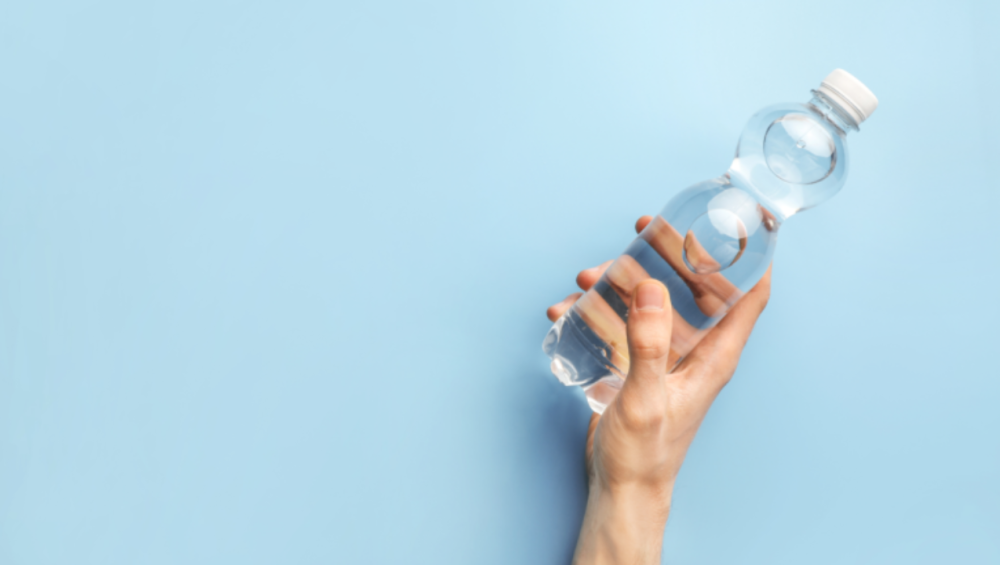
Here’s the truth: bottled water is BAD. Did you know that something as simple as drinking bottled water could be detrimental to your hormonal health? As a woman who has suffered from Adrenal Fatigue, I know firsthand the importance of balancing hormones and detoxifying the body. And one of the first steps that I took towards healing was ditching bottled water. Why? Because of liver and kidney toxicity, because it contains endocrine disruptors, because it is contaminated, and because it even holds trace amounts of heavy metals. Bottom line – the #1 reason I hate bottled water is that studies show that even water bottles marked BPA-free are loaded with endocrine disrupting chemicals that have enough “estrogenic activity” to complicate fertility, pregnancy, and overall hormonal health in women AND men. Evidence-based research here.

What the bottled water industry DOESN’T want you to know 

For them it’s not about hydration – it’s about marketing and money. They make money while you’re ingesting microplastics, hormone disruptors, and toxins. The minute I limited my bottled water drinking to airport travel and stuck to electrically reduced water from my medical-grade ionizer, my hormones got really happy. Let’s dive deeper. 

  1. Firstly, bottled water can cause liver and kidney toxicity. BPA, other plastic chemicals, and heavy metals are commonly found in bottled water and can burden the liver and kidneys. This reduces their ability to properly detoxify and filter the blood, leading to a buildup of toxins in your body. If you suffer from adrenal fatigue or hormonal imbalances, this can cause undue stress on your already overworked system. 
  2. Secondly, endocrine disruptors are another problem. Even those labeled “BPA-free” are loaded with chemicals that have enough “estrogenic activity” to complicate fertility, pregnancy, and overall hormonal health in women and men as I mentioned above. These endocrine disruptors can wreak havoc on our bodies and disrupt our delicate hormonal balance. 
  3. Thirdly, bottled water can be contaminated. In the past, we only heard about water-borne diseases in third-world countries. But nowadays, you can be drinking contaminated water from the comfort of your own home. “Cryptosporidium” is a parasite that can be found in store-bought bottles of water and can cause chronic or severe illness and even life-threatening symptoms in people with weakened immune systems. 
  4. Fourthly, bottled water can contain trace amounts of heavy metals. Antimony is a trace metal. It’s used in the creation of plastic water bottles and has been linked to heart, lung, and gastrointestinal diseases, as well as certain forms of cancer. These trace amounts may seem insignificant, but when added up over time, they can cause serious harm to our bodies.

Does the water you are attempting to rehydrate with matter?

Yes! Aldosterone is a hormone. It’s produced by the adrenal glands spikes during dehydration and chronic stress, causing you to retain water and increase your blood pressure (due to losing potassium and retaining sodium). When I started researching the store-bought alkaline water I was drinking and discovered all I’ve been drinking is water with added chemicals to increase the pH so the manufacturer can call it “alkaline” (genius marketing scam) I was mortified. This led me down a long road of researching water ionizers. I found one that is medical-grade (important to me!) and produces TRUE ionized alkaline water (by electrolysis!). 

What’s the solution? 

The answer is simple – invest in an at-home water ionizer. The one I use in my home produces living, alkalized water and has free-radical fighting and antioxidant power. This is the type of water I want for myself and my family. Not only does alkalized water help detoxify the body, but it can also balance hormones and improve overall health. Don’t forget to explore more of my blog posts and reach out if you have any questions!

metalCategoriesEndocrine Disruptors

Heavy metal detox: yea or nay?

Adrenal Fatigue is a real issue, and many women experience it at some point in their lives. From feeling fatigued all the time to struggling with mood swings and irregular periods, this condition can severely impact your quality of life. But did you know that heavy metal toxicity could be the missing piece in your Adrenal Fatigue puzzle? It is for so many of my patients! It’s my job to DIG through the research according to your health history and present symptoms to uncover the root cause.

A vicious cycle 

I have a theory. When we consume conventionally processed beef and poultry, farm-raised fish, get a tattoo, drink bottled water, have copper pipes in our home, and use synthetic personal care products, the residual metals will build up in our liver. The problem is that your CBC returns normal, so your GP doesn’t know what to do next. Too many heavy metals put your nervous system under attack, throw your hormones out of whack, and can, in a word, leave you feeling awful. Sometimes, your symptoms can mimic Adrenal Fatigue; other times, it feels like you have Hashimoto’s. 

Heavy metals toxicity signs: 

  • PMS
  • Weight-gain
  • Difficulty concentrating
  • Fatigue
  • Lack of motivation
  • Low libido

Estrogen and testosterone

Two of the most commonly affected hormones by heavy metal toxicity are estrogen and testosterone. Heavy metals burden your liver’s ability to detoxify properly, leading to estrogen dominance and low testosterone. Fortunately, dozens of amazing functional labs can determine if you are dealing with heavy metal toxicity, and one of my favorite labs is hair analysis.

Should you cleanse or detox?

When you have Adrenal Fatigue, losing weight is a REAL B – am I right? Detoxes and cleanses don’t work long term. These solutions only work short-term and may even backfire. Working out longer and more often can also backfire and spike cortisol levels. If you want balanced hormones, it’s worth taking the time to test your body for heavy metals. You could make yourself batty trying to figure this out without a functional medicine practitioner guiding you. However, if you feel that a “detox” is the one thing you need to reset your body to lose weight, how about doing it in a safe, gentle and effective way? Here’s how: 

  1. A couple of caps of activated charcoal/per day with exercise can bind to toxins and package them up for elimination.
  2. Chelation is a great tool to use if you’ve identified your exposure level to heavy metals is off the charts.
  3. 15-20 minute sessions of burst training are effective enough to get your heart rate up and toxins flushed out.
  4. Around 800mg of liposomal glutathione will help rid your liver of mold and metals.
  5. 30-45 minute sweat sesh in an infrared sauna session will flush out residual plastic and metals.

How does heavy metal toxicity happen?

One of the most common sources of heavy metal exposure is through fish consumption. While fish can be a great source of omega-3s and other nutrients, it’s essential to choose wisely. Wild-caught, low-mercury fish like salmon and sardines are the best option. If you’re going to eat other fish, make sure you’re aware of the mercury levels, and try to stick to 2-3 servings per week. Another overlooked source of heavy metals is personal care products and cosmetics. Many of these products contain heavy metals like lead, mercury, and arsenic, which can accumulate in your body over time. You can reduce your exposure by choosing products with natural ingredients and avoiding those with unnecessary additives.

Test don’t guess!

Heavy metal toxicity is a real issue and can severely impact your hormone balance and overall health. If you’re struggling with Adrenal Fatigue or other hormone imbalances, testing for heavy metals may be the missing piece in your puzzle. By choosing low-mercury fish, natural personal care products, and getting a hair analysis, you can reduce your exposure and find the balance you need to feel better. Don’t forget to explore more of my blog posts and reach out if you have any questions.

bdb5de4 b31e 4441 decb cfe6c681f507 Is your laundry detergent making you fat 768x402 1CategoriesEndocrine Disruptors Hormones Weight Loss

Is detergent making you fat? Learn about Sodium Laureth Sulfate

Three words: Sodium Laureth Sulfate (SLS). Struggling with unexplained weight gain during perimenopause? It might be time to take a closer look at what’s in your laundry room. Specifically, those innocent-looking bottles of laundry detergent could be sneaking harmful chemicals into your home, impacting hormone balance and contributing to weight gain.

This isn’t just about changing your detergent, though. It’s about reducing your overall toxic load and supporting your body’s natural systems during a time of hormonal shifts.

The Hidden Culprit in Your Laundry Detergent: Sodium Laureth Sulfate

Chances are, Sodium Laureth Sulfate is in your laundry detergent right now. Go grab the bottle (you might need your reading glasses too!) and look for it on the label. If it’s there, it’s time to learn why eliminating this ingredient could make a big difference in your overall health and well-being, especially as you approach menopause.

What is SLS (Sodium Laureth Sulfate)?

SLS is a cheap, widely used surfactant, meaning it’s responsible for creating many of the suds and foaming action in detergents, shampoos, and soaps. While it sounds benign enough, research has shown that SLS can have a far-reaching impact on the body.

The Endocrine System and Hormonal Imbalance

Your endocrine system regulates hormones throughout your body. But studies have found that Sodium Laureth Sulfate can disrupt this delicate system, as it mimics estrogen in your body, leading to an imbalance in hormone levels. For women in perimenopause, this effect can be particularly harmful, potentially exacerbating estrogen dominance. The result? A frustrating struggle with weight gain, mood swings, and other symptoms tied to hormone imbalance.

The Bigger Problem Behind Sodium Laureth Sulfate

Here’s where it gets even more concerning. While SLS on its own hasn’t been directly linked to cancer, that doesn’t mean it’s safe. When combined with 1,4-dioxane, a by-product that’s often found in detergents, it becomes even more harmful.

  • Toxic Load – Your liver, the organ responsible for detoxifying your body, struggles to metabolize 1,4-dioxane effectively. This leads to longer retention of toxins in your body, increasing the overall toxic burden on your system.
  • Absorption Risks – SLS is a penetration enhancer, meaning it can make its way into your bloodstream via your skin. Research from the University of Georgia Medicine found that SLS can permeate vital organs including the liver, brain, and heart.
  • Environmental Impact – It doesn’t stop at harming your health. SLS is also used as a pesticide and herbicide in organic farming and is a known water pollutant. Once it’s washed down the drain along with your laundry, it contributes to environmental damage, harming marine ecosystems.

Calling Out the Usual Suspects

You’ve likely heard of arguably one of the most popular laundry detergent brands (rhymes with ride). Its iconic scent may transport you back to your childhood, but those strong memories come with a hidden cost. Here’s why mainstream detergents are problematic:

  • SLS and Fragrance – “Fragrance” is an umbrella term for a cocktail of potentially thousands of synthetic chemicals, none of which need to be disclosed on labels.
  • Undisclosed Ingredients – Common household detergents have been found to contain 1,4-dioxane, a probable human carcinogen according to the EPA. Testing has shown that exposure can damage the liver and kidneys and has even caused tumors in animals. Shockingly, 1,4-dioxane isn’t listed in ingredient labels on most because it’s classified as a by-product. This legal loophole leaves consumers in the dark, unaware of the risks.

Back in 2012, independent testing revealed the presence of 1,4-dioxane in popular household products. Despite public outcry, harmful ingredients like these remain present in many conventional brands today.

What Can You Do?

Empowering yourself starts with reducing your exposure to hazardous chemicals. Start small by swapping out your current detergent for safer, more natural options.

Safer Laundry Solutions

Here are a few alternative options to try:

  • DIY Detergent – I’ve been using my Enagic K8, a water ionizer, to make my own detergent with strong alkaline water and essential oils. It’s simple, effective, and chemical-free!
  • Cleaner Brands
    • Branch Basics – a plant- and mineral-based solution that’s tough on stains but gentle on your body and the planet.
    • BioKleen – A no-nonsense detergent free of phosphates, chlorine, and other nasties.
    • Molly’s Suds – Safe for sensitive skin and formulated with just a handful of non-toxic ingredients.

Why Small Changes Matter

Switching your laundry detergent may seem like a minor adjustment, but it’s a significant step toward lowering your overall toxic load. Every small improvement adds up, especially during perimenopause when your body is working harder than ever to maintain balance.

Protect Your Wellness, One Load at a Time

The habits we don’t think twice about often have the greatest impact on our day-to-day lives. By being mindful of what’s in your laundry detergent, you’re taking control over a critical aspect of your health and setting yourself up for a smoother transition into menopause. Start small, dream big. And if switching to a new laundry detergent could make a difference in how you feel and function, why not give it a try?

Yours in health and harmony,

Dr. LeB


The information provided in this blog post is for informational purposes only. The information is a result of years of practice and experience by Dr. Francesca LeBlanc. However, this information is NOT intended as a substitute for the advice provided by your physician. Do not use the information provided in this post for diagnosing or treating a health problem or disease, or prescribing medication or other treatment. Always speak with your physician or other healthcare professional before taking any medication or nutritional, herbal or homeopathic supplement, or using any treatment for a health problem. Please, do not disregard professional medical advice or delay in seeking professional advice because of something you have read on this website.