causesCategoriesHormones Mental Health Perimenopause

What Age Does Perimenopause Start? Understanding the Timeline, the Symptoms, and What to Expect

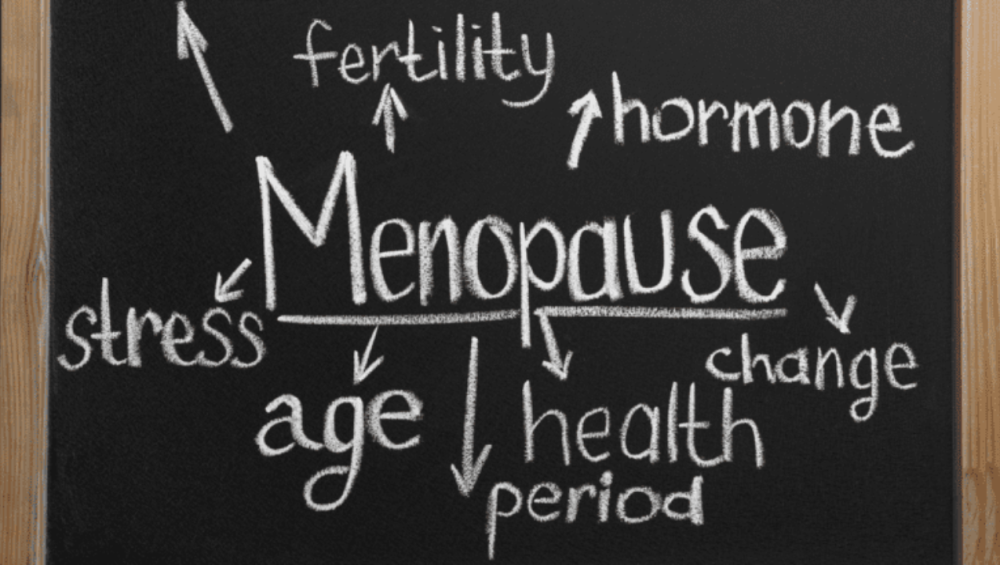
Everyone knows about menopause in this day and age, right? Most women have been told that menopause happens in their late 40s or early 50s, so they assume anything hormonal before that point must be something else, stress, lifestyle, or simply “a phase.”

But perimenopause, the transition leading up to menopause, often starts much earlier than people expect, and it rarely announces itself in an obvious way. Instead, it shows up quietly, through subtle shifts in how you feel, how you sleep, how you think, and how your body responds to things that once felt easy.

So if you’ve been asking yourself, “Shouldn’t I be too young for this?” the answer is, unfortunately not.

What Age Does Perimenopause Actually Start?

Perimenopause can begin as early as your mid-30s, although for many women it becomes more noticeable in their late 30s to early 40s.

Now, this doesn’t mean your periods suddenly stop or that you move straight into menopause. What it means is that your hormone patterns, particularly estrogen and progesterone, begin to fluctuate.

Progesterone is often the first to decline, especially in women experiencing chronic stress, which means you can start to feel the effects of hormonal imbalance even when your cycle still looks “regular” on paper.

This is why so many women are told everything is normal, because technically, it is within a certain range. But functionally, things feel very different.

Why Perimenopause Starts Earlier than Expected

There are a few key reasons why women are noticing perimenopause symptoms earlier than previous generations.

First, chronic stress plays a significant role. Elevated cortisol over time can impact ovulation, which directly affects progesterone production.

Second, modern lifestyles, including disrupted sleep, irregular eating patterns, and constant stimulation, place additional pressure on the endocrine system.

And third, awareness is growing, which means women are now recognizing patterns that may have previously gone unnoticed or unspoken.

Early Signs of Perimenopause in your 30s

This is where it becomes important to pay attention, because symptoms often show up before cycle changes.

You might notice:

• Increased anxiety or feeling more on edge than usual

• Sleep disruptions, especially waking during the night

• Fatigue that doesn’t improve with rest

• PMS becoming more intense or longer-lasting

• Subtle weight changes, particularly around the midsection

• Lower stress tolerance or feeling overwhelmed more easily

• Brain fog or difficulty concentrating

These are often brushed off as lifestyle issues, but they can be early signs of hormonal fluctuation.

What Happens in your 40s

For many women, symptoms become more noticeable in their 40s, as hormonal fluctuations become more pronounced.

Cycles may become irregular, either shorter, longer, heavier, or lighter, and symptoms like hot flashes, night sweats, and mood swings may begin to appear.

This is also when many women feel that what used to work, in terms of diet, exercise, and routine, no longer produces the same results.

And that can be incredibly frustrating, because it feels like the rules have changed without warning.

Why Symptoms Feel so Inconsistent

One of the most challenging aspects of perimenopause is the inconsistency.

You might feel completely fine one week, then struggle the next, with no clear explanation.

This is because estrogen levels during perimenopause do not simply decline, they fluctuate. They can spike, drop, and shift unpredictably, which creates a constantly changing internal environment.

At the same time, progesterone is gradually declining, which removes a key calming and stabilizing influence.

In short, what you’re experiencing is a dynamic hormonal landscape that your body is trying to adapt to.

The Role of Stress, Sleep, and Blood Sugar

Hormones during perimenopause are more sensitive to lifestyle factors, which means things that once felt manageable can now have a bigger impact.

Poor sleep, unstable blood sugar, and chronic stress all influence how your hormones behave.

For example, skipping meals or relying on caffeine can disrupt blood sugar, which then increases cortisol. Elevated cortisol can further disrupt estrogen and progesterone balance, creating a cycle that amplifies symptoms.

Why So Many Women Feel Dismissed

How often do you think I’ve heard some variation of the phrase “I know something is off, but I’ve been told everything is fine.” I’ll give you a hint – it’s a lot!

Hormones fluctuate daily, even hourly, so a single snapshot does not always reflect the full picture.

This is why symptoms, patterns, and context matter just as much as lab values.

The truth is, standard testing does not always capture the nuances of perimenopause, especially in the earlier stages. I even went so far as to make my own Full Hormone Panel to finally give women a fully comprehensive perimenopause biomarker test with easy to understand results. You can’t regulate what you don’t measure, so I’d recommend checking it out in my shop if you want to take the first step towards finding out what going on with your body and hormones. 

What to Focus on If You Think You’re in Perimenopause

The goal here is not to panic or overhaul your entire life overnight. It’s to start supporting your body in a way that matches what it’s going through.

Focus on:

• Eating regularly to stabilize blood sugar

• Prioritizing sleep and creating a consistent routine

• Managing stress in a way that actually calms your system

• Incorporating strength training to support muscle and metabolism

• Supporting gut health, which plays a role in hormone metabolism

And if symptoms feel significant or confusing, this is where proper hormone testing and guidance can provide clarity.

The Main Thing To Remember

Perimenopause is not a problem to fix. It is a transition to understand.

The sooner you recognize what’s happening, the sooner you can stop second-guessing yourself and start responding to your body with intention.

Because this phase is not about losing control, it’s about learning a new way to support your physiology as it changes.

Don’t forget to explore more of my blog posts and reach out if you have any questions.

What is the earliest age perimenopause can start?
It can begin in the mid-30s, though symptoms are often subtle at first.
Is it normal to have symptoms in your late 30s?
Yes, many women begin to notice changes in their late 30s due to shifting hormone patterns.
Does perimenopause always start with irregular periods?
No, symptoms like mood changes, fatigue, and sleep issues often appear first.
How long does perimenopause last?
It can last several years, often between 4 and 10 years, depending on the individual.
Can lifestyle impact when perimenopause starts?
Lifestyle factors like stress, sleep, and nutrition can influence how symptoms present and how intense they feel.
1234CategoriesAdrenal Health Functional Medicine Hormones Mental Health

No, it’s Not in Your Head – You Have Adrenal Fatigue

EVIDENCE BASED!

If you’ve been following me for any length of time you know that twenty years ago I was a NYC commuter working in corporate America.  I spent three to four hours per day on trains and subways and my ten hour days were fueled by obnoxiously large lattes.

I had endless health issues at this time.  But “adrenal fatigue,” was not one of my diagnoses.  In fact, they were: anxiety, depression, brain fog, insomnia, amenorrhea, chronic sinusitis and severe allergies.

But how did I really feel? Burned out.  Literally sick and tired of feeling “sick and tired.” But, I was a good patient.  I always did what my doctors told me to until I had a horrific drug interaction which derailed me and left me questioning “how can all of this medication be helping me?” At this point, still in my twenties and a decade away from my holistic doctorate, I began seeing a chiropractor for a shoulder injury. 

Connecting Adrenal Fatigue to “Burn-out” 

“Your adrenals are flared,” my chiropractor said, “we can rehab your shoulder but it will only get you so far because you need to heal your adrenal glands and see a Chinese Herbalist immediately.”  Now this was COMPLETELY off-the-wall, but remember – I’m a good patient. 

Following doctors orders I saw an herbalist who always yelled at me when I walked into her back room (which was subsequently at the back of an Asian fish market in urban NJ) “You on fi-yah!” she screamed.  And quickly she got together the herbs I would steep and drink three times a day and return in two weeks.  This went on for months.

Once my shoulder tear healed (without surgery) my chiropractor told me that that I should ditch my fast-paced corporate lifestyle and explore chiropractic as a career.  I had an identity working for so many years in NYC that it never dawned on me that my career didn’t agree with me.  Once I committed to doing an about-face and changing my entire life, I began to finally recover from adrenal dysregulation.  And I’m still a work-in-progress.

I believe women bear more work-related stress than men, because they also manage a home, with or without children.  Because of this level of emotional stress, adrenal fatigue may very well be the most common hormonal imbalance in women today.

Your adrenal glands are two pearl-sized triangular organs that sit perfectly on top of each kidney. (1) They produce the stress hormones: cortisol and DHEA. 

I believed I produced way too much of these hormones for years.  I was always “tired” but couldn’t rest well because I was truly “wired.”  I craved sugar and started to develop a “flat-tire/muffin-top” around my midsection.

After practicing for a few years I noticed the symptoms from ten years prior slowly starting to creep back into my life.  The Chinese Herbalist that I had trusted and loved, retired, so I began researching Adrenal Fatigue and stumbled upon Dr. Sara Gottfried’s book: The Hormone Cure. (2) As a Harvard trained OB/GYN and women’s hormone expert, Dr. Gottfried devised a comprehensive list of the symptoms associated with Adrenal Fatigue. (3

Symptoms of Adrenal Fatigue: a Comprehensive List 

  • Anxiety, especially in stressful situations
  • Moodiness
  • Emotional instability or excessive emotions
  • Frequent screaming or yelling
  • Confusion, difficulty with focus, under stress
  • Poor resilience to stress – stress feels too much or unfair
  • Excessive sensitivity to human suffering
  • Irritability
  • Negativism
  • Feeling of victimhood
  • Accusatory (more common in men) or quarrelsome
  • Sharp, verbal retorts
  • Energy: fatigue, especially under stress
  • Skin: inflamed such as with rashes, eczema or psoriasis
  • Autoimmune: predisposed to Hashimoto’s or connective tissue disease
  • Food: sugar cravings, intense hunger, salty food cravings

When You Feel Depleted Because You Are

For me, feelings of sadness, diagnosed as depression and barely getting through each day feeling as though my nerves were completely “shot” was actually the late stage of Adrenal Fatigue.  After the adrenal glands spent so many years firing stress hormones, they were in fact depleted, and so was I. 

On the surface, I looked like I had it all together, but inside I was burned-out.  And every so often the signs will start to creep up again so I have to pay very close attention to my alcohol and sugar consumption (because red wine and sweets comfort me). 

When I transitioned from chiropractic to functional medicine seven years ago I realized I was not alone.  In fact, to this day, Adrenal Dysregulation and Fatigue are among the most common diagnoses of women over the age of thirty in my virtual practice.  And through each patient case I’ve been able refine my protocol and assist each women on the path to recovery.

Mistakes Women with Adrenal Fatigue Commonly Make

  1. Minimizing symptoms – much like “putting on a brave face” daily and telling everyone that you’re “fine”; or, simply blowing off those symptoms and correlating them to aging, or a recent event, etc.
  2. Using caffeine, alcohol & sugar to comfort and uplift
  3. “Motoring forward” thinking that eventually everything will return to normal

Final Thoughts on Adrenal Fatigue 

If you relate to three or more of the symptoms of Adrenal Fatigue then maybe it is time to start a diary.  Much like a “food diary” you are recording your experiences and symptoms when you are aware of them.  When I was honest with myself about my fast-paced lifestyle, things became suddenly VERY real when they were all down on paper.  And the documentation process also served as the validation I needed to know it wasn’t “all in my head” and I had a tangible health challenge to work on.

For more on how to address adrenal gland health click here.

fogCategoriesAdrenal Health D.I.Y Remedies Functional Medicine Hormones Mental Health Nutrition

Brain Fog and 3 Natural Remedies to Start Today

EVIDENCE BASED!

About fifteen years ago I went to a doctor for “brain fog,” and was told “it’s all in your head.  There is simply no such diagnosis.  You need more sleep.” And just like that I walked out of that office with a prescription for sleep medication.  Which I tried once and had the most restless sleep (almost “fake sleep”) I could barely function the next day.

It would be another decade before I knew anything about “health” – let alone brain health.  My life at that time was stressful and fast-paced; I travelled significantly for my corporate job.  I ate all my meals out of the home, drank way too much coffee and diet soda and justified my habits by “spinning myself silly” with daily 5am spin classes.

Fast forward to a career in holistic healthcare and I finally had an explanation for my lack of inspiration, anxiety, and depression: brain fog.  Research out of Switzerland states that chronic fatigue syndrome leads to a decrease in brain blood flow and one or more of the following symptoms (1):

Symptoms of Brain Fog

• Slow thinking
• Difficulty focusing
• Confusion
• Lack of concentration
• Forgetfulness
• Haziness in thought processes

The vicious cycle that exists between insomnia, brain fog and mood swings feel frustrating to say the least. For me, resolving one symptom pharmaceutically exacerbated the others and I felt like I was in a hamster wheel.

Causes of Brain Fog

The good news is that if you sleep well (at least seven hours of uninterrupted sleep each night) and are not dealing with any other symptoms other than brain fog, the best place to start is the diet.  Brain health is greatly affected by refined sugar, alcohol, and refined carbohydrates.  My patients who experience brain fog without insomnia or mood swings respond quickly and efficiently to eliminating these foods for a length of time and slowly reintroducing them to determine which causes the symptoms to return.

But for my patients who experience brain fog in addition to insomnia and mood swings, chances are the H-P-A-T axis may be over-activated.  The Hypothalamus-Pituitary-Adrenal-Thyroid axis is responsible for regulating your stress response, digestion, energy, sex drive, mood and emotions.(2)  Insomnia and sleep deprivation activate your stress response and increase cortisol production from the adrenal glands.(3)  The insomnia piece to the puzzle has very real consequences like: cognitive issues, i.e. brain fog. 

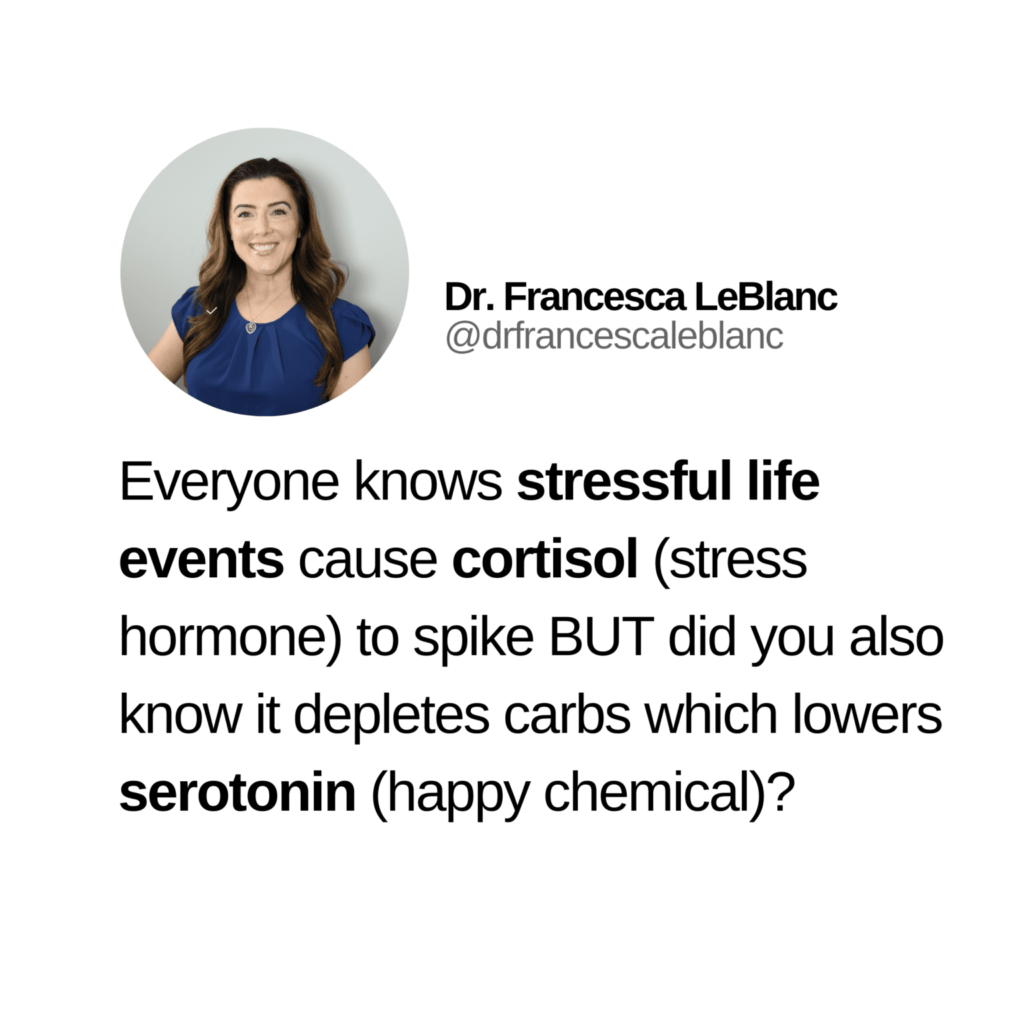
Your brain and body rely on balance between the hormones produced by the H-P-A-T axis.  For example, stressful life events cause a spike in cortisol and carbohydrate depleting which causes serotonin to dip low.  Restoring the delicate balance between the hormones produced by the H-P-A-T axis puts things back on track to significantly reducing and eliminating symptoms.

Natural Remedies

1. Assess Protein and Good Fat Intake

Grass-fed beef and organic poultry are great sources of essential amino acids (proteins we do not produce on our own and need to consume within the diet) which fuel the brain so it can continue to release the exact neurotransmitters (the brain chemicals that stimulate body processes and certain hormone production) you need throughout the day.

Wild-caught fish, free-range eggs and most nuts and seeds are great sources of Omega-3 fatty acids while medium chain triglycerides like coconut oil are also great sources of healthy fat.  These good fats reduce inflammation systemically and assist the body in producing the hormones needed to be joyful and satisfied.  And since nearly more than half your brain is comprised of fat, good fats are absolutely non-negotiable to keep cognitive issues like brain fog, away.(4)

Determining the appropriate amount of daily protein and fat intake varies person to person and initially calculating your macros with a health professional can enable you to zero in on the percentages right for you.  However, in my functional diagnostic medicine practice, I find patients respond well to consuming around 35% protein and around 35% healthy fat of their total daily food intake.

2. Eliminate Refined Sugar and Incorporate Natural Carbohydrates

Processed, fast and convenience foods are extremely high in refined sugar (which is why they are palatable and addictive).  You may initially feel as though you are “clear-headed” with a boost of energy but over time, consuming foods that contain refined sugar and also artificial sugar increase systemic inflammation and contributes to conditions known as “leaky-gut,” (read more on that here). Eating complex, unprocessed carbohydrates throughout the day does the complete opposite! Foods like sweet potatoes, fruit, ancient grains, and raw dairy improve focus and reduce inflammation.   

As mentioned before, calculating your personal macros is very smart to zero in exactly where you need to be daily, but I find most patients in my practice respond well to consuming around 30% of healthy carbohydrates of their total daily food intake. 

3. Find a Stress Management Technique that You will Stick With

It seems like these days we are always “connected” to devices and technology and less connected to real people and experiences that bring us joy.  To decrease the activity of the H-P-A-T axis and decrease symptoms like brain fog, establishing a “go-to” stress management technique is necessary.  If meditation or prayer does not work for you, low-impact exercise like walking or yoga, even journaling or reading may reduce stress.  Personally, I feel most relaxed in nature.  Find what works for you and commit to utilizing it daily.

fastingCategoriesMental Health Weight Loss

Why Intermittent Fasting Is Not The Solution

What is Intermittent Fasting? 

I’ve seen and heard many buzzwords over the years. Intermittent Fasting (IF) is one of them. IF has been taking over the fitness and wellness industry, but I have to say – I don’t agree with it. And my reasons have nothing to do with weight loss or body transformation. Instead, I’m looking at the impact that IF has on our hormones, specifically for women. Keep reading for my secret on how to let your body relax and repair instead of being in a constant state of deprivation and stress.

How does IF Worsen Hormone Imbalances? 

Intermittent Fasting (IF) worsens hormone imbalances because the body senses fasting as stress. Intermittent Fasting may sound like a quick fix, but the truth is, it can have dangerous effects on the body in the long run. If your cycle is off (or currently absent) or your adrenal glands are fatigued (cortisol is on its way to becoming depleted – more on that below) or you have a thyroid issue (your hair is falling out), IF just isn’t going to work. I’ve seen a lot of men get great results with IF but not many women, just for the sheer absence of key nutrients and calories. For this reason IF is definitely not a great idea if you are trying to become pregnant. For women in my practice focusing on balancing their hormones “restrictive diets” don’t yield results.  IF can increase cortisol levels and insulin resistance, which leads to weight gain, mood swings, and more hormonal imbalances. In women, it can also create a severe imbalance in sex hormones, leading to reproductive disorders and even infertility (again, not good if you’re trying to conceive). IF disrupts the body’s biological clock, which can interfere with sleep, digestion, and other important bodily functions.

Adrenal Fatigue and Intermittent Fasting 

Dealing with Adrenal Fatigue? IF requires a healthy stress response (strong adrenal function) and healthy blood sugar levels. While extending the gap between meals is great for improving your metabolism and digestion, it also causes blood sugar levels to plummet and can exacerbate HPA-Axis dysfunction (thereby provoking your symptoms of Adrenal Fatigue).  Yes I’m a fan of intermittent fasting to “wake-up” my metabolism and break “plateaus” BUT only if your hormones are balanced. 

Try a Digital Detox Instead (Seriously!)

Nowadays, we consume more technology than ever before. We are on our computers at work and then our phones at home! I bet you spend more than eight hours a day staring at a screen. This digital dependency has increased our stress levels, disrupted our sleep patterns, and created a constant state of tension and anxiety. These factors alone can contribute to hormonal imbalances. In a 2021 study, when intentionally taking a break “from being connected” a.k.a. a Digital Detox, subjects reported positive changes in mood, better sleep, less anxiety and more productivity. 

Try a Holistic Approach

As we know, women are more susceptible to hormonal imbalances than men. This is why I encourage a holistic approach to wellness. Instead of depriving your body of food, why not give it what it needs? Eat a well-balanced diet of whole foods, while you reduce sugar and processed foods, to maintain hormonal balance. Couple that with a digital detox and you just might rejuvenate the body! 

Quick-fix Solutions are Not the Answer

While intermittent fasting can work for some people, it’s not a one-size-fits-all solution. Instead, by slowing down, taking breaks from tech, and learning to eat mindfully, you can lower stress levels, improve digestion, and restore hormonal balance. Mindful eating means eating when you’re hungry, focusing on the food, and noticing how it affects your body. This is a much healthier and sustainable approach. Remember, Intermittent Fasting has become a buzzword! The risks associated with it cannot be ignored. It’s time to stop focusing on quick-fix solutions that affect our hormones and bodies in the long run. Instead, it’s time to start small and prioritize your body. Your hormones deserve better than to be affected by the trends of the day. Don’t forget to explore more of my blog posts and reach out if you have any questions.

cortisolCategoriesHormones Mental Health

Constantly Stressed? You Might Be Running on High Cortisol

Running on High Cortisol, Sis? Read this.

Do you find yourself struggling to relax or feeling constantly stressed? Do you turn to unhealthy habits to cope with your day-to-day life? If so, you may be dealing with the effects of high cortisol levels. Your body produces a hormone called “cortisol” in response to stress. When cortisol levels remain elevated for extended periods, it can lead to a variety of physical and emotional symptoms. These may include anxiety, depression, weight gain, and more. If you’re feeling the effects of high cortisol, it’s important to take a step back and recognize what’s happening. 

Change the Venue

One simple strategy to manage cortisol levels is to remove yourself from the stressful environment. If you find yourself overwhelmed at work, tell your boss you need to take five minutes to cool down. If you are your own boss, be kind to yourself and take that five-minute break. Take a quick walk, grab a cup of tea, or simply find a quiet place to sit and breathe. Remember, stress can be contagious. Leaving a tense environment, even for just a few minutes, can give you the necessary mindset to get back to work with a calm and focused mind (easier said than done, I know!). 

Engage your Vagus Nerve

Your vagus nerve runs through your body, connecting various organs and systems. This nerve is responsible for influencing your heart rate, digestion, and more. Engaging the vagus nerve can effectively calm your body, providing a counterbalance to stress. One easy way to activate your vagus nerve is to place your hand over your heart and inhale deeply, expanding your rib cage. Hold your breath for a moment, and then exhale slowly. Repeat this exercise for a few minutes and feel the calming effect.

Self Regulate

Self-regulation can be a powerful way to reduce stress and control cortisol levels. Understanding how to self-regulate and lower cortisol has been one of the greatest gifts I gave myself. It has literally changed how I relate to people and most importantly how I SHOW UP to the people who matter most. We know from the Polyvagal Theory created by Dr. Stephen Porges that our nervous system, physiological responses, and emotional responses intertwine which is why breathwork, humming, gargling, singing, rebounding, bouncing and vibrating work. l love combining breathwork with Lime Essential Oil because I immediately feel uplifted and I know using EO’s can get a little “woo-woo” for some us but thankfully there’s research to back up why this combo works (PMID: 37175176; PMID: 36552586). If breathwork isn’t your thing – diffuse your favorite citrus essential oil while you bounce or vibrate. Just make sure whatever essential oil you choose is therapeutic grade and organic, if possible.

You are not Alone

You can reduce stress and control cortisol levels by implementing simple strategies. You can also build resilience. Be kind to yourself. Take necessary breaks. Remind yourself that self-care isn’t selfish but essential for a healthy, fulfilling life. Don’t forget to explore more of my blog posts, follow me on Instagram and reach out if you have any questions.

pmddCategoriesHormones Mental Health

Understanding PMDD

If you are one of the millions of women who grapple with PMDD (Pre-Menstrual Dysphoric Disorder), the days leading up to your menstrual cycle can feel like an emotional abyss. PMDD is not just about facing PMS (Pre-Menstrual Syndrome) with a bit more intensity. It’s a severe, debilitating variant that impacts your mental health, family, and work-life.

Does this sound familiar?

You struggle all month long with PMS that it’s become normal to you. Many doctors will argue it’s so common for women to struggle with PMS that it’s NORMAL. I tend to disagree (shocking! I know! ha!) If your PMS symptoms hang around longer than a week, you might not have PMS at all and it might be: PMDD.

What is PMDD?

Premenstrual Dysphoric Disorder (PMDD) is characterized by all of the symptoms of PMS alongside INTENSE mood changes that directly impact your ability to live life. For instance, the symptoms are so bad in addition to depression and anxiety that you can’t get out of bed. I can remember so clearly many moons ago, being sidelined for three days per month with lingering symptoms all month long. No one mentioned PMDD to me or Hormone Imbalances.

PMDD’s enigma lies in the fact that it shares some symptoms with severe forms of depression and anxiety, such as suicidal thoughts, mood swings, and panic attacks. Yet, it is tied to the menstrual cycle’s luteal phase, and symptoms must virtually disappear after the onset of menses.

What can you do?

While I believe working with someone in functional medicine will provide you with the clearest direction on how to determine your unique root cause, until it’s the right time for you, try managing your Blood Sugar. PMS, PMDD (and even PCOS) are hugely affected by dysregulated Blood Sugar and Insulin Resistance. A quick hit list of things to get consistent with right now:

  1. Eat breakfast!
  2. Eat a protein + fat + fiber combo for meals and snacks throughout the day
  3. Walk after dinner

Magnesium’s Impact on PMDD

Recent studies have highlighted the potential of magnesium. This essential mineral might just be a game-changer for women with PMDD. Magnesium has compelling effects on neurotransmitters. Low magnesium levels can exacerbate symptoms related to depression, anxiety, and migraines. Magnesium is involved in the synthesis of serotonin, the “feel-good” neurotransmitter, which regulates mood and sleep. In a preliminary study, participants with low magnesium levels who received magnesium supplements reported a notable decrease in premenstrual symptom severity, particularly mood-related symptoms.

You can increase magnesium in the body through dietary sources such as nuts, seeds, leafy green vegetables, and whole grains. If dietary adjustments don’t provide enough magnesium, supplements are an option, but it’s important to consult a healthcare provider first.

Omega-3’s Role in PMDD

The role of inflammation in PMDD is something else to consider. Omega-3 fatty acids, found in fish and flaxseed oil, have anti-inflammatory properties that have been found to reduce symptoms in some women with PMDD. In a study, women who took omega-3 supplements for six months experienced significantly less depression-anxiety, and markedly reduced overall severity of premenstrual symptoms. The modern diet tilts the balance too far in favor of omega-6 fatty acids, which are pro-inflammatory. To benefit from the anti-inflammatory properties, it may be necessary to consciously increase consumption of foods high in omega-3s—a shift towards more fish, walnuts, and chia seeds for example.

Remember, every woman is different. What works for one may not work for another. Don’t forget to explore more of my blog posts and reach out if you have any questions.

The information provided in this blog post is for informational purposes only. The information is a result of years of practice and experience by Dr. Francesca LeBlanc. However, this information is NOT intended as a substitute for the advice provided by your physician. Do not use the information provided in this post for diagnosing or treating a health problem or disease, or prescribing medication or other treatment. Always speak with your physician or other healthcare professional before taking any medication or nutritional, herbal or homeopathic supplement, or using any treatment for a health problem. Please, do not disregard professional medical advice or delay in seeking professional advice because of something you have read on this website.