Everyone knows about menopause in this day and age, right? Most women have been told that menopause happens in their late 40s or early 50s, so they assume anything hormonal before that point must be something else, stress, lifestyle, or simply “a phase.”
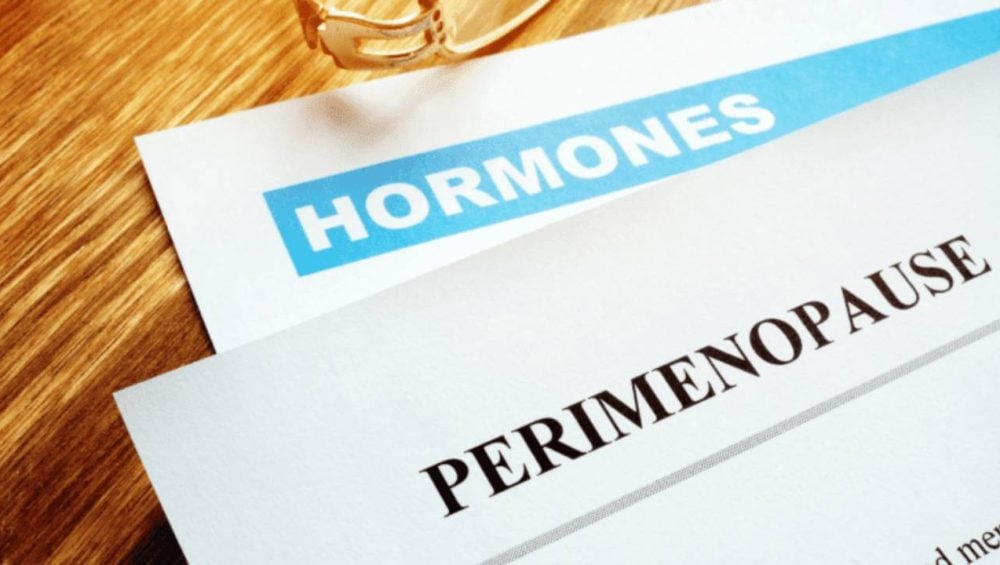
But perimenopause, the transition leading up to menopause, often starts much earlier than people expect, and it rarely announces itself in an obvious way. Instead, it shows up quietly, through subtle shifts in how you feel, how you sleep, how you think, and how your body responds to things that once felt easy.
So if you’ve been asking yourself, “Shouldn’t I be too young for this?” the answer is, unfortunately not.
What Age Does Perimenopause Actually Start?
Perimenopause can begin as early as your mid-30s, although for many women it becomes more noticeable in their late 30s to early 40s.
Now, this doesn’t mean your periods suddenly stop or that you move straight into menopause. What it means is that your hormone patterns, particularly estrogen and progesterone, begin to fluctuate.
Progesterone is often the first to decline, especially in women experiencing chronic stress, which means you can start to feel the effects of hormonal imbalance even when your cycle still looks “regular” on paper.
This is why so many women are told everything is normal, because technically, it is within a certain range. But functionally, things feel very different.
Why Perimenopause Starts Earlier than Expected
There are a few key reasons why women are noticing perimenopause symptoms earlier than previous generations.
First, chronic stress plays a significant role. Elevated cortisol over time can impact ovulation, which directly affects progesterone production.
Second, modern lifestyles, including disrupted sleep, irregular eating patterns, and constant stimulation, place additional pressure on the endocrine system.
And third, awareness is growing, which means women are now recognizing patterns that may have previously gone unnoticed or unspoken.
Early Signs of Perimenopause in your 30s
This is where it becomes important to pay attention, because symptoms often show up before cycle changes.
You might notice:
• Increased anxiety or feeling more on edge than usual
• Sleep disruptions, especially waking during the night
• Fatigue that doesn’t improve with rest
• PMS becoming more intense or longer-lasting
• Subtle weight changes, particularly around the midsection
• Lower stress tolerance or feeling overwhelmed more easily
• Brain fog or difficulty concentrating
These are often brushed off as lifestyle issues, but they can be early signs of hormonal fluctuation.
What Happens in your 40s
For many women, symptoms become more noticeable in their 40s, as hormonal fluctuations become more pronounced.
Cycles may become irregular, either shorter, longer, heavier, or lighter, and symptoms like hot flashes, night sweats, and mood swings may begin to appear.
This is also when many women feel that what used to work, in terms of diet, exercise, and routine, no longer produces the same results.
And that can be incredibly frustrating, because it feels like the rules have changed without warning.
Why Symptoms Feel so Inconsistent
One of the most challenging aspects of perimenopause is the inconsistency.
You might feel completely fine one week, then struggle the next, with no clear explanation.
This is because estrogen levels during perimenopause do not simply decline, they fluctuate. They can spike, drop, and shift unpredictably, which creates a constantly changing internal environment.
At the same time, progesterone is gradually declining, which removes a key calming and stabilizing influence.
In short, what you’re experiencing is a dynamic hormonal landscape that your body is trying to adapt to.
The Role of Stress, Sleep, and Blood Sugar
Hormones during perimenopause are more sensitive to lifestyle factors, which means things that once felt manageable can now have a bigger impact.
Poor sleep, unstable blood sugar, and chronic stress all influence how your hormones behave.
For example, skipping meals or relying on caffeine can disrupt blood sugar, which then increases cortisol. Elevated cortisol can further disrupt estrogen and progesterone balance, creating a cycle that amplifies symptoms.
Why So Many Women Feel Dismissed
How often do you think I’ve heard some variation of the phrase “I know something is off, but I’ve been told everything is fine.” I’ll give you a hint – it’s a lot!
Hormones fluctuate daily, even hourly, so a single snapshot does not always reflect the full picture.
This is why symptoms, patterns, and context matter just as much as lab values.
The truth is, standard testing does not always capture the nuances of perimenopause, especially in the earlier stages. I even went so far as to make my own Full Hormone Panel to finally give women a fully comprehensive perimenopause biomarker test with easy to understand results. You can’t regulate what you don’t measure, so I’d recommend checking it out in my shop if you want to take the first step towards finding out what going on with your body and hormones.
What to Focus on If You Think You’re in Perimenopause
The goal here is not to panic or overhaul your entire life overnight. It’s to start supporting your body in a way that matches what it’s going through.
Focus on:
• Eating regularly to stabilize blood sugar
• Prioritizing sleep and creating a consistent routine
• Managing stress in a way that actually calms your system
• Incorporating strength training to support muscle and metabolism
• Supporting gut health, which plays a role in hormone metabolism
And if symptoms feel significant or confusing, this is where proper hormone testing and guidance can provide clarity.
The Main Thing To Remember
Perimenopause is not a problem to fix. It is a transition to understand.
The sooner you recognize what’s happening, the sooner you can stop second-guessing yourself and start responding to your body with intention.
Because this phase is not about losing control, it’s about learning a new way to support your physiology as it changes.
Don’t forget to explore more of my blog posts and reach out if you have any questions.