0a88bf effc cbf4 5ead 0b212bdc588 Seed OilsCategoriesSeed Oils

What I Use Instead of “Machine Lubricant” Oils

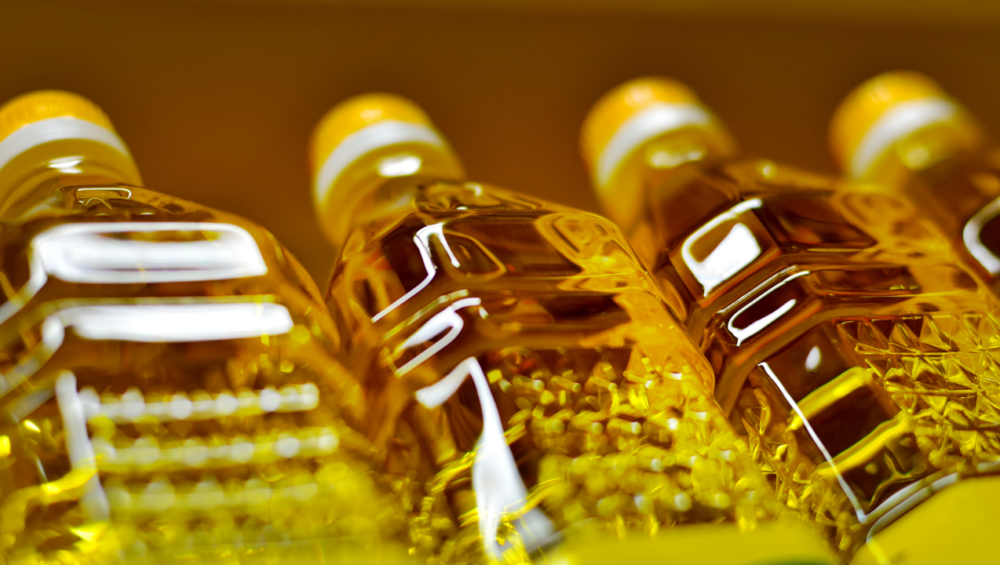
First, context. I grew up on my grandmother’s kruschiki fried in Crisco and my mom scrambled my eggs in PAM. Remember when butter was villainized and “vegetable oils” were the halo foods? They were lied to. We all were. And hello, it would have been nice to know Crisco can double as machine lubricant so we could make an informed choice about eating it!

Why I am not team soybean, canola, or corn oil

In my opinion, these highly refined industrial seed oils are not heart friendly and definitely not hormone friendly. There is a growing body of research linking excess omega-6 intake and an imbalanced omega-6 to omega-3 ratio with inflammation and cardiometabolic risk (see PMIDs: 2463986022570770). The typical American pattern skews around 20:1 omega-6 to omega-3. That kind of imbalance is associated with higher risk for chronic inflammatory conditions like nonalcoholic fatty liver disease, cardiovascular disease, obesity, IBD, rheumatoid arthritis, and cognitive decline.

Hormones 101: why the fats you choose matter

Your body builds steroid hormones from cholesterol. That process needs adequate dietary fat, protein, micronutrients, and an inflammation environment that is not on fire. I focus on stable cooking fats and a better omega-6 to omega-3 balance so we support hormone production, insulin sensitivity, and cell membranes without adding unnecessary oxidation stress in the pan.

The oils I use for hormone balance in my kitchen

  • Coconut oil for stir-frying and sautéing
  • Grass-fed butter or coconut oil for baking
  • Avocado oil for higher-temp roasting
  • Extra virgin olive oil for salad dressings and gentle finishing

These choices are simple, stable, and delicious. I also pull omega-3s from foods like salmon, sardines, pastured eggs, and chia or flax.

“Ditching seed oils” without panic

If this feels overwhelming, try the easiest experiment. Do not overhaul everything today. Swap one product when it runs out. Replace the spray or bottle you use most often with one from the list above. Then move to the next item. That is how families change pantries without stress.

Label check cheat sheet

Flip the bottle and look for these words high on the ingredient list. If they lead the label, I pass for everyday cooking: Soybean oil, corn oil, canola oil, cottonseed oil, grapeseed oil, generic “vegetable oil,” and most blends that say “heart healthy” but do not name the actual olive or avocado percentage. For dining out, I assume mixed seed oils and choose grilled or baked options, then use my own olive oil at home.

But what about sunflower or sesame?

I use these more as flavor accents, not my daily sauté oils. If you love them, save them for dressings or a drizzle and keep portions small. The daily driver oils in my house are coconut, avocado, butter, and extra virgin olive oil.

Quick science note

Dietary fat is not the villain. Ultra-processed patterns and chronic imbalance are. The literature connecting high omega-6 patterns to inflammation and cardiometabolic disease is evolving, but strong enough that I steer families toward more whole foods, more omega-3s, and fewer industrially refined oils in the everyday pan (PMIDs again: 2463986022570770).

Real life swaps

  • PAM → brush or mister with extra virgin olive oil
  • “Vegetable oil” jug → avocado oil bottle
  • Crisco for pie crust → half butter, half coconut oil
  • Store-bought seed-oil mayo → olive oil or avocado oil mayo
  • Chips fried in seed oils → baked potatoes or homemade fries in avocado oil

If you grew up on PAM and Crisco, you are not alone

I did too. No shame. We are just doing better with what we know now. Your body will thank you in your energy, skin, and cycles.

The information provided in this blog post is for informational purposes only. The information is a result of years of practice and experience by Dr. Francesca LeBlanc. However, this information is NOT intended as a substitute for the advice provided by your physician. Do not use the information provided in this post for diagnosing or treating a health problem or disease, or prescribing medication or other treatment. Always speak with your physician or other healthcare professional before taking any medication or nutritional, herbal or homeopathic supplement, or using any treatment for a health problem. Please, do not disregard professional medical advice or delay in seeking professional advice because of something you have read on this website.


38cc65 36a 5030 7754 215abbd7f78 3 Things Women Still Don t BelieveCategoriesUncategorized

3 Things Women Still Don’t Believe – But Science Says Otherwise

A deep dive into the physiology every woman in perimenopause needs to understand

After more than a decade in integrative hormone health, I can tell you this: women are being misled, under-fueled, and over-stressed into hormonal chaos. And the worst part? Most of it is preventable once you understand the actual biology behind what’s happening. Today, I’m breaking down three things women still push back on — and showing you the research behind why these aren’t “opinions,” they’re physiology. Let’s go.

1. You Cannot Out-Supplement a Dysregulated Nervous System

Here’s the unfiltered truth: You can take magnesium, ashwagandha, L-theanine, and whatever else Instagram says is “regulating,” but if your nervous system is locked in a chronic stress response, your hormones are absolutely going to be scrambled.

Why? Because stress hormones override sex hormones. Period.

When your brain perceives a threat (even if it’s traffic, parenting, inboxes, or chronic overwhelm), your hypothalamus signals the release of corticotropin-releasing hormone (CRH). CRH activates cortisol production.

And here’s where things go sideways:

  • Cortisol suppresses GnRH, the hormone that starts the entire reproductive-hormone cascade. This means ovulation becomes irregular or weak.
  • High stress reduces luteinizing hormone (LH) and follicle-stimulating hormone (FSH). Translation: fewer robust follicles = more hormone symptoms.
  • Chronic sympathetic activation (fight-or-flight) decreases progesterone because progesterone is used as a precursor for cortisol. 
  • Elevated cortisol alters thyroid hormone conversion, decreasing peripheral T3.

This is why some women feel like supplements “don’t work.” Your body is too busy surviving to regulate, digest, ovulate, detoxify, or metabolize effectively.

What does regulate the nervous system?

Not supplements, though they can help. But the drivers are:

  • Slow diaphragmatic breathing
  • Downshifting the sympathetic response
  • Trauma-informed somatic practices
  • Sleep regularity
  • Walking (underrated and extremely effective)
  • Carving space for recovery

Spicy truth: Regulation > supplements.

2. Under-Eating Is Sabotaging Your Metabolism

If you are eating like a bird, feeling tired, gaining weight, and wondering why hormones are “broken,” this one’s for you. Most women in early perimenopause are unknowingly under-eating, often consuming 1100–1400 calories/day (sometimes less). Instead of helping weight loss, this slows everything down.

Here’s the physiology:

A. Chronic low intake → reduced thyroid output

When energy intake drops below energy needs, the hypothalamus decreases TRH, reducing TSH, slowing thyroid hormone production. Your body senses famine, not “weight loss goals.”

  • Starvation/energy deficit suppresses T3, lowers metabolic rate

B. The body preserves fat when it senses scarcity

Metabolic adaptation (sometimes called “adaptive thermogenesis”) is extremely real. The body reduces:

  • Resting metabolic rate
  • Non-exercise movement
  • Thermic effect of food
  • Reproductive hormone production

This makes fat loss harder, not easier. 

C. Protein intake matters more than women realize

Most women do not consume enough protein to:

  • Support muscle
  • Stabilize blood sugar
  • Produce metabolic heat
  • Regulate appetite hormones

Perimenopause accelerates muscle loss and without adequate protein, metabolism drops fast. Protein isn’t optional. It’s metabolic medicine. And no… coffee is not breakfast. Skipping protein in the morning worsens glucose instability, cortisol spikes, and mid-day crashes.

3. If Your Gut Is Inflamed, Your Hormones Are Too

Women don’t want this one to be true, but it is. Your gut and your hormones are not separate systems. They’re in constant conversation.

A. The gut microbiome influences estrogen metabolism

There is an entire collection of bacteria called the estrobolome — microbes capable of metabolizing estrogens. When gut bacteria produce too much β-glucuronidase, estrogen gets reabsorbed instead of eliminated. This contributes to:

  • Estrogen dominance symptoms
  • PMS flares
  • Heavy periods
  • Breast tenderness
  • Cycle irregularities

B. Dysbiosis = inflammation = hormone disruption

Imbalanced gut bacteria release lipopolysaccharides (LPS), an inflammatory molecule that disrupts:

  • Ovulatory signaling
  • Progesterone synthesis
  • Thyroid hormone conversion
  • Insulin sensitivity

Inflammation is downstream of gut imbalance. Hormone symptoms are downstream of inflammation. 

C. The gut and liver work as a team

Your liver detoxifies estrogen, but the gut eliminates it. If the gut is sluggish, inflamed, constipated, or overrun by histamine-producing microbes… Estrogen recirculates. This is not woo. This is biochemistry.

This isn’t “wellness advice.” This is physiology.

  • Stress dysregulation alters hormone signaling.
  • Under-eating slows thyroid function and metabolism.
  • Gut imbalance drives inflammation and disrupts estrogen, thyroid hormones, and insulin.

These mechanisms are well-documented in the literature but rarely explained in a way that helps women understand the “why” behind their symptoms. My work is helping you take back that understanding.

So What Do You Do With This Information?

Start with nervous system regulation, fuel your body adequately (especially protein), and address gut inflammation with evidence-based strategies. Then, use data, not guesswork. Full hormone testing (thyroid, cortisol rhythm, insulin markers, estrogen & progesterone metabolites, GI assessments) gives us the map your symptoms alone cannot. This is how we create real transformation. If you want a deeper dive into my hormone strategy, reach out. I share science-backed protocols weekly so you never have to navigate perimenopause blindfolded.