1CategoriesHormones

Perimenopause Symptoms: What’s Really Happening in Your Body 

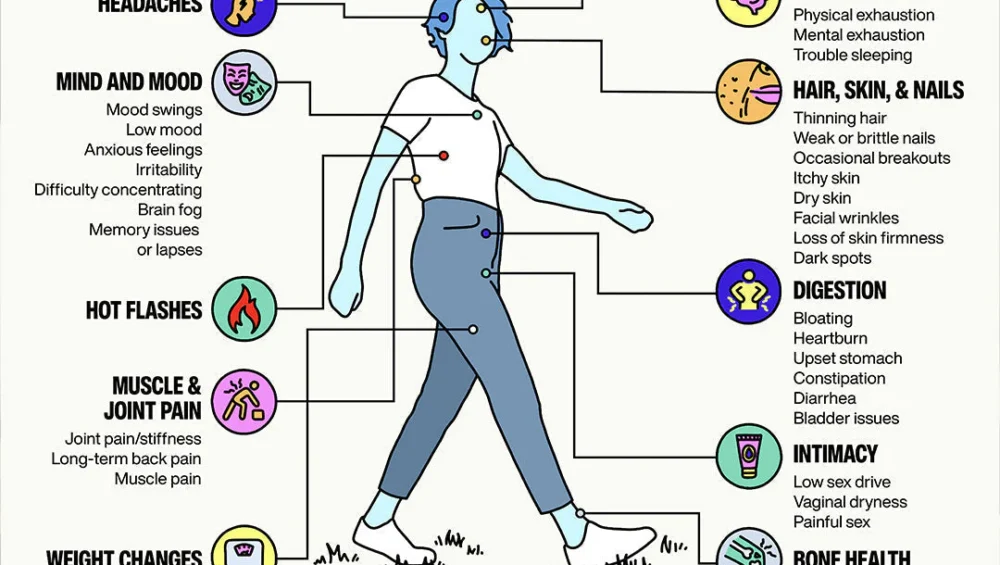
Contrary to what you might believe, you don’t just wake up one day and suddenly “enter perimenopause”. Instead, things begin to feel off slowly, but surely. Subtle at first, then harder to ignore. Your energy shifts, your mood feels less predictable, your sleep changes, and your body starts responding differently to things that never used to be an issue.

And here’s what I see time and time again in practice: women are told this is stress, or that they’re just busy, or that this is what getting older feels like. But the reality is, perimenopause is a physiological transition driven by hormonal fluctuations, and those fluctuations affect far more than just your cycle.

So if you’ve been feeling like your body is changing in ways you don’t fully understand, you’re not imagining it, and you’re certainly not alone. Let’s break down what’s actually happening.

What is Perimenopause, Really?

Perimenopause is the phase leading up to menopause, and it can begin earlier than most women expect, often in the mid to late 30s, though for some it starts even sooner. It is not defined by a single moment, but by a gradual shift in hormone production, particularly estrogen and progesterone, which begin to fluctuate rather than follow a predictable rhythm.

This fluctuation is key, because it means your hormones are not simply “declining” in a straight line. They are moving up and down, sometimes dramatically, which is why symptoms can feel inconsistent, confusing, and difficult to track. One month you feel fine, the next you don’t recognize yourself.

And because these hormones influence everything from your brain to your metabolism, the ripple effect can show up across your entire body and across various symptoms in ways that you didn’t realise could happen at all. 

The Most Common Perimenopause Symptoms

Now, while every woman’s experience is different, there are patterns I see repeatedly, and once you understand them, things start to make a lot more sense.

1. Changes in your cycle

This is often the first noticeable sign for some women. Your periods might become heavier, lighter, closer together, or further apart, and for many, PMS becomes more intense than it was in your 20s. This is largely due to progesterone declining earlier than estrogen, creating a relative imbalance.

2. Mood swings, anxiety, and irritability

If you’ve found yourself feeling more reactive, more anxious, or less emotionally resilient than usual, there is a hormonal component to this. Estrogen interacts closely with neurotransmitters like serotonin and dopamine, so when it fluctuates, your mood often follows.

3. Sleep disturbances

You might fall asleep easily but wake up at 2 or 3am, wide awake, or struggle to stay asleep through the night. This is often linked to cortisol patterns, blood sugar instability, and declining progesterone, which normally has a calming, sleep-supportive effect.

4. Fatigue that doesn’t improve with rest

This is a big one. You sleep, you rest, you try to take care of yourself, yet the fatigue lingers. This is where hormones, stress physiology, and mitochondrial function all intersect, and it’s rarely as simple as “getting more sleep.”

5. Weight changes, especially around the midsection

You may notice that your body composition shifts, even if your habits haven’t. This is often tied to insulin sensitivity, cortisol, and changes in how your body stores and utilizes energy as estrogen fluctuates.

6. Brain fog and poor focus

Many women describe this as feeling slower, less sharp, or struggling to concentrate. Again, estrogen plays a role in brain energy metabolism, so when it shifts, cognitive function can feel affected.

7. Skin and hair changes

Skin may become drier, thinner, or more sensitive, and hair thinning can occur. These changes are directly linked to declining estrogen and shifts in androgen balance.

8. Hormonal acne

Yes, this can come back, even if you thought you left it behind years ago. Hormonal fluctuations, particularly relatively higher androgens, can trigger breakouts, often along the jawline and lower face.

Why Symptoms Feel So Unpredictable

One of the most frustrating parts of perimenopause is not just the symptoms themselves, but how inconsistent they feel. You might have a good week, followed by a difficult one, and it’s hard to identify what changed.

This is because hormones during this phase are not stable. Estrogen can spike, then drop, progesterone steadily declines, and cortisol often increases in response to stress, which is already higher for many women balancing careers, families, and everything else on their plate.

So what you’re feeling is not random, it’s a dynamic, shifting internal environment, and your body is responding to it in real time.

The Role of Stress, Blood Sugar, and Lifestyle

Here’s where everything links together.

If your blood sugar is unstable, meaning you’re skipping meals, relying on caffeine, or eating in a way that causes spikes and crashes, your cortisol will rise to compensate. Elevated cortisol then impacts estrogen and progesterone balance, making symptoms worse.

Add chronic stress, poor sleep, and a lack of recovery, and you create the perfect environment for symptoms to intensify.

This is why perimenopause is not just about hormones, it’s about how your entire system is functioning together.

What Actually Helps During Perimenopause

This is the part most women are looking for, and it’s also where nuance matters.

First, you need to understand what’s happening in your body, not guess. Hormone testing, when done properly, can provide insight into patterns that symptoms alone cannot explain. I created a full hormone testing kit that includes testing for all the menopause biomarkers you need to measure. It’s available in my shop if you want something comprehensive and tailor-made for exactly what perimenopausal women need. 

Second, support needs to be foundational, not extreme. This includes:

• Eating in a way that stabilizes blood sugar, with adequate protein, fats, and fiber

• Prioritizing sleep and creating a consistent wind-down routine

• Managing stress through practices that regulate your nervous system

• Supporting gut health, which plays a role in hormone metabolism

• Strength training to maintain muscle mass and metabolic health

And third, it’s about consistency. Not perfection, not drastic changes, but steady, supportive habits that align with what your body needs in this phase.

The Part No One Tells You

Perimenopause is often framed as something to “get through,” but I don’t see it that way.

What I see is a phase that asks you to understand your body on a deeper level, to stop pushing through symptoms, and to start working with your physiology instead of against it.

Because once you understand what’s happening, the confusion lifts, and you’re no longer reacting to symptoms, you’re responding to them with clarity.

Can low iron cause restless legs even if I’m not anemic?
Yes. Low ferritin alone is enough to trigger RLS symptoms.
What ferritin level is ideal for restless leg syndrome?
Many women feel best when ferritin is above 60, sometimes closer to 100.
Does estrogen affect iron levels?
Indirectly, yes. Estrogen dominance often drives heavier bleeding, increasing iron loss.
Can iron supplements improve sleep?
When iron deficiency is present, improving iron status often improves sleep quality and reduces nighttime symptoms.
Should everyone with RLS take iron?
No. Iron should be supplemented only after proper testing confirms deficiency.

To Sum Up

If your body feels different, there is a reason.

If your symptoms feel confusing, there is a pattern.

And if you’ve been told everything is “fine” but you don’t feel fine, it’s worth looking deeper.

Perimenopause is not the problem. Lack of understanding and education surrounding it is. By being here, you are breaking that down and taking the first step necessary to start taking control of your perimenopause symptoms. 

When does perimenopause start?
It often begins in the mid to late 30s or early 40s, though it varies from woman to woman.
How long does perimenopause last?
It can last anywhere from a few years to over a decade, depending on individual hormone patterns.
Are irregular periods always the first sign?
Not always. Mood changes, sleep issues, and fatigue can appear before cycle changes.
Can perimenopause cause anxiety?
Yes. Hormonal fluctuations, especially in estrogen and progesterone, can significantly impact mood and anxiety levels.
Is weight gain inevitable during perimenopause?
No, but metabolic changes make it easier to gain weight if underlying factors like insulin and cortisol are not supported.

Don’t forget to explore more of my blog posts and reach out if you have any questions.
2CategoriesHormones

Hormone Imbalance Symptoms That Every Woman Needs To Know About 

The first thing you need to know if you’re reading this blog is that hormone imbalance is not one single symptom, and it’s not one neat or easy diagnosis. It is a pattern, i.e. a collection of signals your body is sending when something is off in the way your hormones are being produced, metabolized, or regulated.

And the problem is, those signals are often brushed off, normalized, or treated in isolation. You’re told you’re stressed, or tired, or getting older, or that your labs are “fine.” Meanwhile, you’re sitting there knowing you’re not, but feeling like you’ve hit every dead-end that there is.

And that’s where most women stay stuck. So let’s break down what hormone imbalance actually looks like, how it shows up, and why it often gets missed. 

What Does “Hormone Imbalance” Really Mean?

Hormones are chemical messengers, and they do not work independently. Estrogen, progesterone, cortisol, insulin, thyroid hormones – they all interact with each other, constantly communicating to regulate your energy, mood, metabolism, sleep, and reproductive health.

So when we talk about imbalance, we are not just talking about one hormone being “high” or “low.” We are talking about how those hormones relate to each other, how they fluctuate, and how your body responds to those changes.

This is why two women can have similar lab results but feel completely different, and why symptoms often tell you more than a single number on a test.

The Most Common Symptoms of Hormone Imbalance:

Now, here’s where it starts to click, because once you see these patterns, you begin to understand that what you’ve been experiencing is not random.

1. Fatigue that doesn’t go away

This isn’t just feeling tired after a long day. This is waking up tired, needing caffeine to function, hitting an afternoon crash, and still not feeling restored after sleep. Hormones like cortisol, thyroid hormones, and blood sugar regulation all play a role here.

2. Mood swings, anxiety, or irritability

If your mood feels less stable than it used to, or you’re more reactive, anxious, or overwhelmed, this is often linked to fluctuations in estrogen and progesterone, as well as how your body is handling stress.

3. Sleep disturbances

Struggling to fall asleep, waking in the middle of the night, or feeling wired but exhausted are all common signs. Hormones like cortisol, melatonin, and progesterone are deeply involved in sleep regulation.

4. Weight gain or difficulty losing weight

Particularly around the midsection, weight changes can reflect shifts in insulin sensitivity, cortisol levels, and estrogen balance. This is often where women feel the most frustrated, because their efforts no longer match their results.

5. Irregular or worsening periods

Cycles that become heavier, lighter, shorter, longer, or more symptomatic are a clear sign that hormone patterns are shifting, particularly during perimenopause.

5. Brain fog and poor concentration

If you feel less sharp, struggle to focus, or forget things more easily, this can be linked to estrogen’s role in brain function and energy metabolism.

6. Skin changes and acne

Adult acne, increased sensitivity, or changes in skin texture are often tied to androgen levels, estrogen fluctuations, and inflammation.

7. Hair thinning or shedding

Hormonal shifts, particularly involving thyroid function, estrogen, and androgens, can impact hair growth cycles.

Why Symptoms Often Get Dismissed

Here’s the reality, many of these symptoms are considered “common,” which unfortunately leads to them being dismissed.

But common does not mean normal. It definitely doesn’t mean it should be ignored, or pushed to the side, or “waited out”. 

If a large number of women are experiencing fatigue, anxiety, poor sleep, and metabolic changes, that does not make it something you should simply accept. It means there is a widespread lack of understanding around what is driving these symptoms.

Another issue is that standard testing often looks at broad ranges, not optimal ranges, and rarely examines how hormones interact. So you might be told everything is fine, even when your body is clearly telling you otherwise. 

The Role of Stress and Lifestyle

Chronic stress, irregular eating patterns, poor sleep, and lack of recovery all influence how your hormones behave. Elevated cortisol, for example, can disrupt blood sugar, impact thyroid function, and alter estrogen and progesterone balance.

Similarly, unstable blood sugar, often from skipping meals or relying on quick energy sources, can create a cascade of hormonal disruption that affects everything from mood to metabolism.

This is why simply addressing one hormone rarely solves the problem. The system needs to be supported as a whole.

Why Guessing Doesn’t Work

A lot of women try to manage symptoms by piecing together advice from social media, supplements, or general wellness tips. And while some of that can help, it often leads to more confusion. Because without understanding your specific hormone patterns, you’re essentially guessing.

And guessing is exhausting.

This is where proper hormone testing becomes valuable, not as a standalone solution, but as a tool to provide clarity. When you can see what your hormones are doing, patterns begin to emerge, and decisions become more targeted and effective. This fact became so prevalent that I even created my own Full Hormone Panel so that women could finally get access to comprehensive testing and fast, easy to comprehend results. It’s on sale in my shop now if you want to know more. 

What to Focus on First

If you suspect a hormone imbalance, the goal is not to overhaul everything overnight. It’s to create a foundation that supports your body consistently.

Start with:

• Stabilizing blood sugar through balanced meals

• Prioritizing sleep and creating a consistent routine

• Managing stress in a way that actually calms your nervous system

• Supporting gut health, which plays a role in hormone metabolism

• Strength training and movement to support metabolic health

Most importantly, you can’t regulate what you don’t measure. Proper hormone testing is vital if you actually want to figure out exactly what is out of whack. 

These are not quick fixes, but they are powerful levers that influence how your hormones function over time.

Don’t forget to explore more of my blog posts and reach out if you have any questions.
What are the first signs of hormone imbalance?
Fatigue, mood changes, sleep disturbances, and changes in your cycle are often early indicators.
Can hormone imbalance cause anxiety?
Yes, fluctuations in estrogen, progesterone, and cortisol can all impact mood and anxiety levels.
Is weight gain always linked to hormones?
Not always, but hormonal factors like insulin resistance and cortisol often play a significant role.
Do hormone imbalances show up in blood tests?
Sometimes, but not always clearly. Interpretation and context matter as much as the numbers.
Can lifestyle changes improve hormone balance?
Yes, consistent support around sleep, nutrition, and stress can have a significant impact over time.
causesCategoriesHormones Mental Health Perimenopause

What Age Does Perimenopause Start? Understanding the Timeline, the Symptoms, and What to Expect

Everyone knows about menopause in this day and age, right? Most women have been told that menopause happens in their late 40s or early 50s, so they assume anything hormonal before that point must be something else, stress, lifestyle, or simply “a phase.”

But perimenopause, the transition leading up to menopause, often starts much earlier than people expect, and it rarely announces itself in an obvious way. Instead, it shows up quietly, through subtle shifts in how you feel, how you sleep, how you think, and how your body responds to things that once felt easy.

So if you’ve been asking yourself, “Shouldn’t I be too young for this?” the answer is, unfortunately not.

What Age Does Perimenopause Actually Start?

Perimenopause can begin as early as your mid-30s, although for many women it becomes more noticeable in their late 30s to early 40s.

Now, this doesn’t mean your periods suddenly stop or that you move straight into menopause. What it means is that your hormone patterns, particularly estrogen and progesterone, begin to fluctuate.

Progesterone is often the first to decline, especially in women experiencing chronic stress, which means you can start to feel the effects of hormonal imbalance even when your cycle still looks “regular” on paper.

This is why so many women are told everything is normal, because technically, it is within a certain range. But functionally, things feel very different.

Why Perimenopause Starts Earlier than Expected

There are a few key reasons why women are noticing perimenopause symptoms earlier than previous generations.

First, chronic stress plays a significant role. Elevated cortisol over time can impact ovulation, which directly affects progesterone production.

Second, modern lifestyles, including disrupted sleep, irregular eating patterns, and constant stimulation, place additional pressure on the endocrine system.

And third, awareness is growing, which means women are now recognizing patterns that may have previously gone unnoticed or unspoken.

Early Signs of Perimenopause in your 30s

This is where it becomes important to pay attention, because symptoms often show up before cycle changes.

You might notice:

• Increased anxiety or feeling more on edge than usual

• Sleep disruptions, especially waking during the night

• Fatigue that doesn’t improve with rest

• PMS becoming more intense or longer-lasting

• Subtle weight changes, particularly around the midsection

• Lower stress tolerance or feeling overwhelmed more easily

• Brain fog or difficulty concentrating

These are often brushed off as lifestyle issues, but they can be early signs of hormonal fluctuation.

What Happens in your 40s

For many women, symptoms become more noticeable in their 40s, as hormonal fluctuations become more pronounced.

Cycles may become irregular, either shorter, longer, heavier, or lighter, and symptoms like hot flashes, night sweats, and mood swings may begin to appear.

This is also when many women feel that what used to work, in terms of diet, exercise, and routine, no longer produces the same results.

And that can be incredibly frustrating, because it feels like the rules have changed without warning.

Why Symptoms Feel so Inconsistent

One of the most challenging aspects of perimenopause is the inconsistency.

You might feel completely fine one week, then struggle the next, with no clear explanation.

This is because estrogen levels during perimenopause do not simply decline, they fluctuate. They can spike, drop, and shift unpredictably, which creates a constantly changing internal environment.

At the same time, progesterone is gradually declining, which removes a key calming and stabilizing influence.

In short, what you’re experiencing is a dynamic hormonal landscape that your body is trying to adapt to.

The Role of Stress, Sleep, and Blood Sugar

Hormones during perimenopause are more sensitive to lifestyle factors, which means things that once felt manageable can now have a bigger impact.

Poor sleep, unstable blood sugar, and chronic stress all influence how your hormones behave.

For example, skipping meals or relying on caffeine can disrupt blood sugar, which then increases cortisol. Elevated cortisol can further disrupt estrogen and progesterone balance, creating a cycle that amplifies symptoms.

Why So Many Women Feel Dismissed

How often do you think I’ve heard some variation of the phrase “I know something is off, but I’ve been told everything is fine.” I’ll give you a hint – it’s a lot!

Hormones fluctuate daily, even hourly, so a single snapshot does not always reflect the full picture.

This is why symptoms, patterns, and context matter just as much as lab values.

The truth is, standard testing does not always capture the nuances of perimenopause, especially in the earlier stages. I even went so far as to make my own Full Hormone Panel to finally give women a fully comprehensive perimenopause biomarker test with easy to understand results. You can’t regulate what you don’t measure, so I’d recommend checking it out in my shop if you want to take the first step towards finding out what going on with your body and hormones. 

What to Focus on If You Think You’re in Perimenopause

The goal here is not to panic or overhaul your entire life overnight. It’s to start supporting your body in a way that matches what it’s going through.

Focus on:

• Eating regularly to stabilize blood sugar

• Prioritizing sleep and creating a consistent routine

• Managing stress in a way that actually calms your system

• Incorporating strength training to support muscle and metabolism

• Supporting gut health, which plays a role in hormone metabolism

And if symptoms feel significant or confusing, this is where proper hormone testing and guidance can provide clarity.

The Main Thing To Remember

Perimenopause is not a problem to fix. It is a transition to understand.

The sooner you recognize what’s happening, the sooner you can stop second-guessing yourself and start responding to your body with intention.

Because this phase is not about losing control, it’s about learning a new way to support your physiology as it changes.

Don’t forget to explore more of my blog posts and reach out if you have any questions.
What is the earliest age perimenopause can start?
It can begin in the mid-30s, though symptoms are often subtle at first.
Is it normal to have symptoms in your late 30s?
Yes, many women begin to notice changes in their late 30s due to shifting hormone patterns.
Does perimenopause always start with irregular periods?
No, symptoms like mood changes, fatigue, and sleep issues often appear first.
How long does perimenopause last?
It can last several years, often between 4 and 10 years, depending on the individual.
Can lifestyle impact when perimenopause starts?
Lifestyle factors like stress, sleep, and nutrition can influence how symptoms present and how intense they feel.
birthCategoriesHormones

Hormones After 40: What’s Changing, Why It Feels Different, and How to Support Your Body

There’s a moment for many women, often somewhere in their late 30s or early 40s, where things start to feel different. Not dramatically at first, but enough that you notice it. Your energy isn’t as steady, your sleep isn’t as reliable, your mood feels less predictable, and the habits that used to “work” don’t seem to land the same way anymore.

And what usually follows is confusion, because no one has clearly explained what’s actually happening inside your body. You’re told it’s stress, or that life is busy, or that this is part of getting older, but that explanation rarely feels complete.

What you’re experiencing is hormonal change, and more specifically, the early stages of perimenopause, whether you’ve been told that or not.

So let’s talk about what hormones after 40 really look like, because once you understand the physiology, things start to make sense.

What Actually Happens to your Hormones After 40

This is where the biggest misconception sits. Most women assume hormones simply decline with age in a slow, steady way. But in reality, hormones become more unpredictable before they decline.

Estrogen begins to fluctuate, sometimes rising higher than expected, sometimes dropping quickly. Progesterone, on the other hand, tends to decline more steadily, especially if ovulation becomes less consistent. This imbalance, fluctuating estrogen with lower progesterone, is what drives many of the symptoms women start to experience.

At the same time, cortisol, your primary stress hormone, often increases due to the demands of this stage of life, and insulin sensitivity can begin to shift, affecting how your body manages energy and weight.

So this is not one hormone changing, it’s an entire system recalibrating.

Why you Feel Different Even If your Labs Look “Normal”

This is one of the most frustrating parts. 

You go for testing, you’re told everything is within range, and yet you don’t feel like yourself.

The reason is simple – standard testing often looks for extremes, not patterns. And in your 40s, the issue is rarely a single extreme. It’s the relationship between hormones, how they fluctuate, and how your body responds to those shifts.

So while your results may not flag anything significant on paper, your physiology is still changing in ways that impact how you feel day to day.

Common Symptoms of Hormone Changes After 40

Now, these symptoms don’t show up the same way for everyone, but there are clear patterns that tend to emerge.

Fatigue and lower energy

You may feel more tired than usual, even when you’re sleeping. Energy dips become more noticeable, and recovery takes longer.

Sleep disruption

Waking during the night, difficulty staying asleep, or feeling wired but exhausted are all common, often linked to cortisol and declining progesterone.

Mood changes

You might notice increased anxiety, irritability, or feeling less emotionally steady. Hormonal fluctuations directly affect neurotransmitters in the brain.

Weight changes

Particularly around the midsection, your body may begin storing weight differently, even if your habits haven’t changed.

Brain fog

Difficulty concentrating, forgetfulness, or feeling less sharp can start to creep in, often linked to estrogen’s role in brain function.

Cycle changes

Your periods may become heavier, lighter, shorter, longer, or more symptomatic, even if they’re still coming regularly.

Skin and hair changes

Dryness, sensitivity, or thinning hair can reflect underlying hormonal shifts.

The Role of Stress, Metabolism, and Lifestyle

Hormones after 40 are more sensitive to your environment, which means lifestyle factors carry more weight than they did before.

If your blood sugar is unstable, if you’re skipping meals or relying heavily on caffeine, your body compensates by increasing cortisol. Elevated cortisol then influences estrogen, progesterone, and insulin, creating a cycle that can amplify symptoms.

Sleep also becomes more important, not less. Poor sleep further disrupts hormone regulation, making everything feel harder to manage.

This is often where women feel like they’re doing everything right, yet not seeing the same results, because the body they’re working with has changed.

Why What Used to Work Stops Working

This is one of the biggest frustrations I hear.

The diet that worked before doesn’t work now. The workouts feel harder. Recovery takes longer. Results are slower.

It’s not because you’re doing anything wrong. It’s because your hormonal environment has changed, which means your body responds differently to the same inputs.

After 40, the focus needs to shift from pushing harder to supporting smarter.

What Actually Helps After 40

This is where we move away from guesswork and into strategy.

Start with the foundations:

• Eat in a way that stabilizes blood sugar, with adequate protein, fats, and fiber

• Prioritize sleep and create a consistent routine that supports your nervous system

• Manage stress intentionally, not reactively

• Incorporate strength training to maintain muscle mass and metabolic health

• Support gut health, which plays a role in hormone metabolism

And if symptoms feel confusing or persistent, this is where testing becomes valuable, not to label you, but to understand your patterns and guide your next steps.

The Mindset Shift that Changes Everything

Symptoms of hormonal fluctuation after 40 are not a sign that your body is breaking down. They are a sign that your body is transitioning. And transitions require a different level of awareness, a different approach, and a different kind of support.

When you stop expecting your body to respond the way it did ten years ago, and start working with where it is now, things begin to feel more manageable, and far less frustrating.

Is it normal for hormones to change after 40?
Yes, hormonal fluctuations are a natural part of the transition into perimenopause.
Why do I feel worse even if my tests are normal?
Because standard tests may not capture fluctuations or hormone interactions.
Can lifestyle changes really make a difference?
Yes, consistent support around nutrition, sleep, and stress can significantly impact how you feel.
Is weight gain inevitable after 40?
No, but hormonal shifts can make weight management more complex.
Should I get my hormones tested after 40?
If you’re experiencing symptoms, testing can help provide clarity and guide your approach.
solving healthcare jIKXdqKILgk unsplashCategoriesUncategorized

Restless Leg Syndrome in Perimenopause and the Iron Connection

If you’re in perimenopause and your legs feel jumpy, twitchy, achy, or impossible to keep still at night, you’re not imagining it. And no, it’s not “just anxiety” or “just aging.” Restless Leg Syndrome, or RLS, shows up far more often in women during perimenopause than most people realize. And one of the most common, overlooked drivers is iron deficiency.

I see this constantly in practice. Women who sleep like garbage, feel wired at night, exhausted during the day, and describe an almost unbearable urge to move their legs as soon as they lie down. Many have been told their labs are “normal.” Many have never had iron properly evaluated. Let’s talk about why this happens, how perimenopause plays a role, and why iron is often the missing piece.


What Restless Leg Syndrome Actually Is

Restless Leg Syndrome is a neurological condition characterised by an uncontrollable urge to move the legs, usually in the evening or at night.

It often feels like:

  • Crawling sensations
  • Tingling or buzzing
  • Deep aching
  • Tension that only improves with movement

RLS is not a muscle problem. It’s a nervous system problem. And that distinction matters. The symptoms are closely tied to dopamine signalling in the brain, which is heavily dependent on iron.


Why RLS Gets Worse in Perimenopause

Perimenopause is a perfect storm for RLS. During this transition, estrogen and progesterone fluctuate wildly. These hormones influence:

  • Neurotransmitter balance
  • Sleep architecture
  • Iron metabolism
  • Inflammation
  • Nervous system regulation

Progesterone, in particular, has calming effects on the nervous system. As progesterone declines, many women notice increased anxiety, poor sleep, and heightened sensory sensitivity. This creates fertile ground for RLS symptoms to emerge or worsen. Add iron deficiency into the mix, and things escalate quickly.


Iron’s Role in the Nervous System

Iron is essential for dopamine production. Dopamine is a neurotransmitter that helps regulate movement, motivation, and nervous system signalling. When iron levels are low, dopamine signaling becomes impaired. This is one of the primary mechanisms behind Restless Leg Syndrome.

Here’s the key point most women are never told. You can have iron deficiency without anemia. Your hemoglobin can look “normal” while your ferritin, which is your iron storage marker, is low. Ferritin is the number that matters for RLS.

In practice, I often see women with ferritin levels under 30 who are struggling with restless legs, insomnia, anxiety, hair shedding, and fatigue. For optimal nervous system and hormone health, ferritin often needs to be closer to 60 to 100.


Why Women in Perimenopause Are Prone to Iron Deficiency

Several factors converge during this phase of life.

Heavy or Irregular Periods

Estrogen dominance and cycle irregularity often lead to heavier bleeding. More bleeding equals more iron loss.

Poor Absorption

Low stomach acid, gut inflammation, or dysbiosis impair iron absorption. This is extremely common in women with hormone imbalance.

Chronic Stress

High cortisol interferes with iron metabolism and utilization. Stress also increases mineral loss overall.

Inadequate Intake

Many women undereat protein and iron-rich foods, especially if appetite is low or digestion feels off.

The result is a slow depletion of iron stores that often goes unnoticed for years.


The Sleep Connection

RLS symptoms typically worsen at night. This is not random. Iron levels in the brain naturally dip in the evening. If iron stores are already low, that nighttime drop becomes symptomatic. This is why women with RLS often say: “I’m fine during the day, but the second I lie down, my legs go crazy.” Poor sleep then feeds back into hormone imbalance, cortisol dysregulation, and worsening symptoms across the board.


Testing Iron Properly

If you’re dealing with restless legs, sleep issues, or unexplained fatigue, a basic iron panel is not enough.

At minimum, testing should include:

  • Ferritin
  • Serum iron
  • Total iron-binding capacity
  • Transferrin saturation

Ferritin is the star of the show here. If ferritin is low, symptoms can exist even when other markers appear normal.

This is why test-don’t-guess matters.


Supporting Iron Levels Safely

Iron is not something to supplement blindly. Too much iron can be just as problematic as too little.

That said, when deficiency is confirmed, support often includes:

  •  Iron-rich foods like red meat, liver, shellfish, and dark leafy greens
  •  Pairing iron with vitamin C to improve absorption
  •  Avoiding coffee, tea or calcium around iron-rich meals
  •  Addressing gut health so absorption improves

In some cases, targeted iron supplementation is appropriate, but the form, dose, and timing matter. This is highly individualized.


Don’t Ignore the Nervous System

Iron deficiency is often the spark, but nervous system dysregulation is the fuel. Supporting parasympathetic tone through breathwork, gentle movement, magnesium, and consistent sleep routines helps calm the system and reduce symptom severity. RLS is rarely just one thing.

Can low iron cause restless legs even if I’m not anemic?
Yes. Low ferritin alone is enough to trigger RLS symptoms.
What ferritin level is ideal for restless leg syndrome?
Many women feel best when ferritin is above 60, sometimes closer to 100.
Does estrogen affect iron levels?
Indirectly, yes. Estrogen dominance often drives heavier bleeding, increasing iron loss.
Can iron supplements improve sleep?
When iron deficiency is present, improving iron status often improves sleep quality and reduces nighttime symptoms.
Should everyone with RLS take iron?
No. Iron should be supplemented only after proper testing confirms deficiency.

The Bottom Line

Restless Leg Syndrome in perimenopause is common, disruptive, and often misunderstood. For many women, iron deficiency is a major driver. Not anxiety. Not aging. Not something you have to “live with.” If your legs won’t let you rest, your body is asking for deeper investigation.

  • Test iron properly.
  • Support absorption.
  • Calm the nervous system.
  • Address hormone imbalance at the root.

And remember – relief is possible!

Don’t forget to explore more of my blog posts and reach out if you have any questions.

1768316160173 ve52k0msifkCategoriesHormones

Why Fiber Is Non-Negotiable for Estrogen Balance

If you’ve been dealing with PMS, PMDD, heavy or irregular periods, stubborn belly weight, mood swings, breast tenderness, or that “wired but tired” feeling, there’s a good chance estrogen metabolism is part of the story. And one of the most overlooked tools for supporting healthy estrogen balance is fiber. I know. Fiber doesn’t sound glamorous. But when it comes to hormones, especially estrogen, fiber is one of the most powerful, foundational levers we have. I see this every single week in practice. Let’s talk about why fibre matters, how it supports estrogen metabolism, and what happens when you don’t get enough.

Estrogen Has to Leave the Body

Estrogen doesn’t just magically disappear after your body uses it. Once estrogen has done its job, it needs to be metabolized and eliminated. This process happens primarily through the liver and the gut.

Here’s the simplified version:

• Estrogen is processed in the liver

• It is packaged for elimination

• It gets sent into the gut via bile

• It must be excreted through the stool

This is where fiber becomes critical. Fiber acts like a binding agent in the gut. It grabs onto estrogen and helps escort it out of the body. Without enough fiber, estrogen can get reabsorbed back into circulation, driving symptoms of estrogen dominance. This reabsorption process is one of the most common root causes I see behind PMS, PMDD, fibroids, endometriosis, PCOS, heavy cycles, and mood instability.

The Gut-Estrogen Connection

There’s a group of gut bacteria known as the estrobolome. Its job is to regulate how estrogen is metabolized and eliminated. When the gut is healthy and fiber intake is adequate, the estrobolome works in your favor. When the gut is inflamed, sluggish, or dysregulated, especially with low fiber intake, things go sideways. Certain gut bacteria produce an enzyme called beta-glucuronidase. This enzyme can “unpack” estrogen that was already destined for elimination and send it right back into circulation. High beta-glucuronidase activity plus low fiber equals estrogen dominance. I see this pattern constantly in women who are doing “all the right things” but still struggling with hormone symptoms.

Constipation Is a Hormone Problem

If you are not having at least one well-formed bowel movement per day, estrogen is likely recirculating. Constipation isn’t just a digestive issue. It’s a hormone issue. Every day estrogen sits in the gut without being eliminated is another day it has the opportunity to be reabsorbed. This is one reason women with slow digestion often experience:

• Worsening PMS

• Bloating before periods

• Breast tenderness

• Acne along the jawline

• Mood swings

• Heavy or painful cycles

Fiber improves stool bulk, gut motility, and transit time. Faster transit means less estrogen recirculation.

Fiber Also Supports Blood Sugar and Cortisol

Estrogen metabolism does not exist in isolation. Blood sugar and cortisol play major roles here.

Fiber slows glucose absorption, stabilizes blood sugar, and reduces insulin spikes. Stable blood sugar means lower cortisol output. High cortisol shifts estrogen metabolism down less favorable pathways in the liver. This is one reason chronic stress and low fiber intake often show up together in women with estrogen dominance.

When you increase fiber, you support:

• Estrogen clearance

• Blood sugar stability

• Cortisol regulation

• Gut microbiome diversity

This is why fiber is a non-negotiable foundation, not an optional add-on.

How Much Fiber Do Women Actually Need

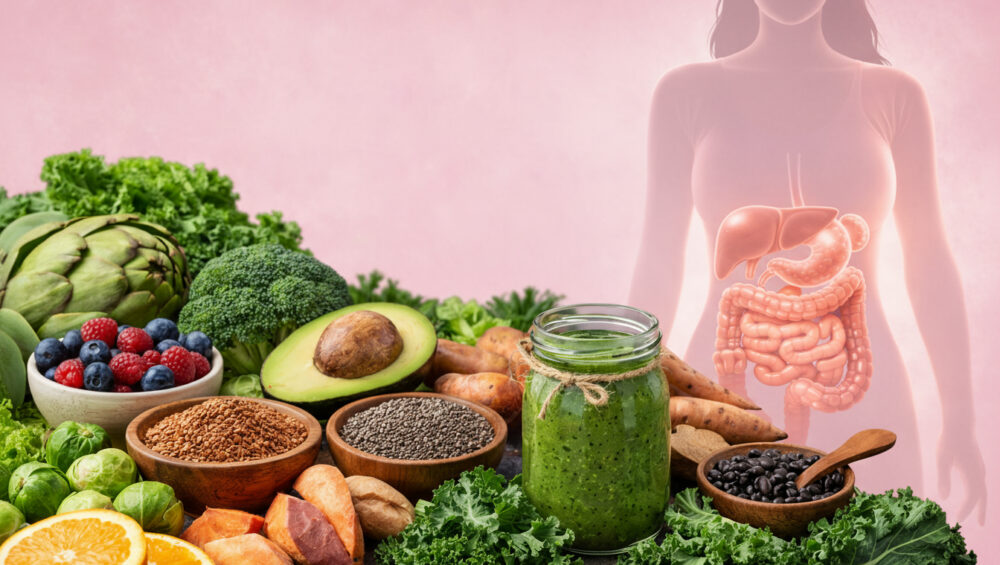
Most women are getting less than half of what their body needs. In practice, I see many women hovering around 10 to 15 grams per day. That’s simply not enough to support hormone health. A realistic target for most women is 25 to 35 grams of fiber per day, coming from whole foods. This does not mean eating a giant bowl of bran cereal. It means consistently including fiber-rich foods across meals.

Best Fiber Sources for Estrogen Balance

Not all fiber is created equal. I like a mix of soluble and insoluble fiber to support both gut health and elimination.

Some of my favorites:

• Ground flaxseed

• Chia seeds

• Lentils and beans

• Berries

• Avocado

• Artichokes

• Brussels sprouts

• Broccoli

• Leafy greens

• Sweet potatoes

Flaxseed deserves a special mention here. It contains lignans, which support healthy estrogen metabolism and have been shown to reduce estrogen reabsorption.

Start low and build slowly if fiber hasn’t been part of your routine. Jumping from low fiber to high fiber overnight can cause bloating and discomfort.

Fiber Supplements

Food always comes first. But for some women, especially those healing gut dysfunction, fiber supplements can be helpful. I often use gentle options like partially hydrolyzed guar gum, psyllium husk, or acacia fiber, depending on the person. This is very individualized. More fiber is not always better if the gut is inflamed or infected. This is why testing matters.

Frequenty Asked Questions

How much fiber do women need for hormone balance?

Most women benefit from 25 to 35 grams per day, depending on body size, gut health, and activity level.

Can fiber lower estrogen levels?

Fiber does not lower estrogen production. It helps remove excess estrogen, supporting healthy balance.

Is fiber important during perimenopause?

Yes. Estrogen becomes more erratic during perimenopause, making proper elimination even more important.

Can fiber help with PMS and PMDD?

Yes. By supporting estrogen clearance and blood sugar stability, fiber can reduce symptom severity.

What if fiber makes me bloated?

This often indicates gut imbalance or increasing fiber too quickly. Go slow and address gut health if symptoms persist.

The Bottom Line

If estrogen dominance is part of your hormone picture, fiber is not optional.

Fiber helps estrogen leave the body.

Fiber supports the gut.

Fiber stabilizes blood sugar.

Fiber lowers cortisol.

You can take all the supplements in the world, but if estrogen isn’t exiting properly, symptoms will persist. If you’re struggling with hormone imbalance and feel like you’ve tried everything, look at your fiber intake. It’s often the missing piece.

Don’t forget to explore more of my blog posts and reach out if you have any questions.
fmCategoriesFunctional Medicine Hormones Weight Loss

3 Keys to Lowering Blood Pressure Naturally

Most people are shocked when they’ve been diagnosed with Hypertension or High Blood Pressure because they have virtually no symptoms.  For others, headaches, confusion, irregular heartbeat, chest pains, fatigue or vision changes land them in the doctor’s office to discover blood pressure at dangerous levels.

An alarming number of Americans suffer from high blood pressure. In 2017, nearly half the adults in the United States (45%) were diagnosed and prescribed medication to control its effects.(1) But there’s good news.  Immediate lifestyle, diet and exercise modifications can not only get your blood pressure under control, but also reduce and sometimes eliminate the symptoms associated with it. 

What is High Blood Pressure?

Blood pressure is simply the pressure of blood pushing against the walls of your arteries. It’s when that pressure becomes elevated that we call it high blood pressure, or hypertension. Aside from the commonly known dangers of high blood pressure like heart attack and stroke, other damaging issues like aneurysms, dementia, kidney failure, and fluid buildup under the retina may present themselves. (2)

The Problem with Pills

Pharmaceutical companies have yet to deem beta-blockers or angiotensin converting enzyme (ACE) inhibitors 100% safe.  The Journal of the American Medical Association openly admitted in their eighth Joint National Committee (JN-8) that, “Like other antihypertensives, ACEIs and ARBs are not 100% effective nor are they 100% safe.” (3) While these medications offer a quick fix to those struggling with the symptoms associated with hypertension – could they be covering an underlying issue? Besides the fact that the medication itself may not be effective, the use of ACE inhibitors has been linked to renal failure, (4) adding undue stress to possibly already affected kidneys.

The Three Keys to Lowering Blood Pressure

Making changes to our current lifestyle is never easy, especially if we are accustomed to doing things a certain way for years. I always tell my patients that “small changes make a big impact down the road,” so if you are someone who becomes easily overwhelmed with several steps in a process — focus on one step for an entire week and the following week, add another step. Long-lasting sustainable change can only happen with consistency and time (so patience helps!)

Weight Loss

Sure, easier said than done. But we aren’t talking about big numbers here. According to the Mayo Clinic, “losing even a small amount of weight if you’re overweight or obese can help reduce your blood pressure. In general, you may reduce your blood pressure by about 1 millimeter of mercury (mm Hg) with every 2.2 pounds you lose.” (5) Did you know losing 2-3 pounds (and keeping it off) is truly as easy as staying hydrated? So much of the foods and drinks we like contain sugar and/or artificial sugar which seriously dehydrate our bodies. Drinking half your body weight in ounces of water daily will not only keep you hydrated but assist your body in the flushing out of toxins, necessary to sustainable weight-loss. My patients who see sustainable results cut out sugar, soda, alcohol and eating after 7pm.

Regular exercise

Again, a little goes a long way and the key is to be consistent! So make sure you have a type of exercise in mind that you genuinely enjoy and will like doing several times/week. If its walking around your neighborhood, doing an exercise video, riding your stationary bike, etc., whatever you choose — commit to fifteen-twenty minutes/day. Studies show that in 15-20 minutes a day of light to moderate exercise, done five times a week, you can lower your blood pressure by about 5 to 8 mm Hg. For some, this may be the difference they need to avoid medication. Always remember to talk to your doctor before starting an exercise program and make sure it’s something you love doing–like running, cycling, swimming, or dancing.

Eat a Healthy Diet

It is important to be mindful of what you put into your body on a daily basis. In my article 5 Foods to Start Eating Now if You Have Metabolic Disease”, I outline in detail five foods that are important to eat regularly if you are serious about healing from metabolic disease. But if you are trying to sustainably lower your blood pressure naturally, be sure to keep you diet rich in flavanoids. (6) Be sure to incorporate blueberries, apples, kale, almonds, dark chocolate (and even the occassional red wine!) to keep lower your blood pressure. However, without making any major adjustments, limiting caffeine, alcohol and sugar intake (and if a smoker, quit) will improve your blood pressure, if you do nothing else at all.

colCategoriesFunctional Medicine Nutrition Weight Loss

Getting Serious (and Smart!) About Lowering Cholesterol

No chemical compound in your body gets demonised as much as cholesterol. It always seems to be in the news, making the headlines of every medical journal, and being the topic of discussion at doctor visits. All of the fuss is for a good reason.

Defining and Understanding Cholesterol

Cholesterol is essential for all animal life. Did you know that hormones and Vitamin D are synthesised in the liver from cholesterol? Cholesterol circulates in the bloodstream but cannot travel by itself. As with oil and water, cholesterol (which is fatty) and blood (which is watery) do not mix. So cholesterol travels in packages called lipoproteins, which have fat (lipid) inside and protein outside. (1)

Most folks are aware that there are two types of cholesterol, one “good” and one “bad,” but often still don’t have a really good handle on the difference between the two because they quite frankly were never given an adequate explanation from a healthcare provider.

High-density lipoprotein, or HDL, is called the “good” cholesterol because it takes cholesterol from tissues to the liver, which packages it for removal by the body. A low level of HDL cholesterol increases your risk for heart disease.

Low-density lipoprotein, or LDL, is called the “bad” cholesterol because it carries cholesterol to tissues, including the arteries. Most of the cholesterol in the blood is the LDL form. The higher the level of LDL cholesterol in the blood, the greater your risk for heart disease and/or a cardiovascular event (heart attack, stroke, etc).

High Cholesterol and its Relationship to Viruses

Aside from avoiding a cardiovascular event, lowering cholesterol can also reduce your risk of developing respiratory viruses. A new study published in May 2020 suggests that the strikingly increased mortality in COVID-19 patients who are either old or also have high blood pressure, diabetes, or cardiovascular disease is due to high tissue cholesterol levels. (2) This is due, in part, to cholesterol being known as a “lipid raft.” Lipids are nothing more than insoluble fatty acids with cholesterol falling into that category. Lipid rafts are subdomains of the plasma membrane enriched in cholesterol and glycosphingolipids, which have been shown to play an essential role in viral entry into host cells. The abundance of cholesterol in lipid rafts is thought to play a significant role in promoting viral infectivity. (3) So, the more cholesterol you have, the more susceptible you are to viruses. This is such important information since we are in the middle of the largest global viral epidemic we have ever experienced: SARS-CoV-2, the virus that causes COVID-19.

Is a Low-fat Diet the Answer?

There have always been proponents for the low fat diet. I have no problem with this if it means you are significantly reducing or eliminating foods which raise LDL due to trans fat content. For example, if your diet avoids the following foods, you are on the right track:

  1. Processed Vegetable and Canola Oils
  2. Processed/Packaged Food Snacks
  3. Cookies and Pastries
  4. Factory-farmed Bacon and Conventional Processed Meat
  5. Conventional Milk and Factory-farmed Dairy Products

Too often, we are fooled by the packaging which states “low-fat” or “fat-free” which are highly processed foods that are loaded with GMOs (genetically modified organisms) and sugar.

A diet high in sugar has also been shown to increase total cholesterol, triglycerides, and LDL, as well as the total cholesterol/HDL ratio. A diet high in added sugar has also been found to cause a 3-fold increased risk of death due to cardiovascular disease. In addition to lipid derangements, consuming a diet high in sugar for just a few weeks has been found to cause numerous changes seen in coronary heart disease and other vascular diseases. Studies have shown there are various metabolic risks for CHD with high sugar diets (e.g., impaired glucose tolerance, insulin resistance, elevated uric acid level, and altered platelet function). All of these abnormalities can be reversed when reverting to a diet low in sugar. (4)

My Final Thoughts on Lowering Cholesterol

We now know that a cholesterol-friendly diet includes plenty of “good-for-you” fats — and limits the unhealthy ones. (5) These good fats are mentioned in my previous article 5 Foods to Start Eating Now if You Have Metabolic Disease, where I highlight the importance of supplementing your diet with wild, cold-water caught fish, avocados, and nuts. These fats promote heart health because they lower LDL (bad-cholesterol) levels.

If you find yourself on the wrong side of the HDL/LDL scale, there is hope. And there are ways to reverse your cholesterol levels through lifestyle changes, without the use of statins. These drugs’ side effects, including muscle pain and damage, liver damage, type 2 diabetes, and neurological effects such as memory loss, are not considered. Just like any pill prescribed for metabolic disease, it is merely a bandaid covering a deeper issue. If you want to correct the problem, you need to address lifestyle changes.

Lifestyle changes are the primary factor in determining your success. If you have weight to lose, find someone that can help keep you on track. Keep a food diary and find a walking buddy. If you are a smoker, quit. Limit your alcohol intake to ensure you aren’t consuming excess sugar. And if you need someone to hold you accountable, contact us here and one of our health coaches will gladly give you more information.

genCategoriesEndocrine Disruptors Functional Medicine Nutrition Weight Loss

Are Your Genetics to Blame for Why You Can’t Lose Weight?

You wake up. You exercise. You eat a healthy breakfast. You take the stairs at work. You get the salad instead of the burger. You skip the candy bar from the vending machine at 2 p.m. You drink the protein drink. You go to the gym after work. You have a sensible dinner with the correct portion size. You go to bed early so your body can recover. 

You had finally decided to do something about those extra pounds you had been carrying around. You were motivated and excited to make a change. You do the same routine over and over again. You feel better and more robust, but every time you get on a scale, the weight is still there. You have no improvement, and discouragement starts to set in. You may not realize that there is something deeper happening in your body that is contributing to your weight.

The terms “overweight” and “obese” are defined as abnormal or excessive fat accumulation that may impair health. Worldwide obesity has nearly tripled since 1975, and in 2016, more than 1.9 billion adults, 18 years and older, were overweight. Of these, over 650 million were obese. (1) In the fast-paced world we live in, it is easy to see how picking up “take-out” for dinner can make the after-work routine a little less hectic. These extra calories, combined with sugary drinks and lack of exercise, add up over time. 

Your Genetics Play a Role

To complicate matters further, recent research suggests that your genes play a significant role in your predisposition to being overweight or obese. In fact, genetics contribute to 40-70% of those with obesity. Out of the roughly 25,000 genes that make up who you are, researchers have discovered more than 50 genes that are strongly associated with obesity.(2)

Genes give your body instructions on responding to the environment around it. What is now considered a disease could well have been an advantage in more primitive times when food was less available. High energy expenditure through physical activity was a way of life.(3) Our bodies’ instinct to hoard and store up calories for more challenging times was essential centuries ago but now serves as a disadvantage to modern life. This is just one of the ways the genes in our bodies can affect the propensity of obesity. Researchers have identified three different genetic causes of obesity:

  1. Monogenic causes: those caused by a single gene mutation, primarily located in the leptin-melanocortin pathway
  2. Syndromic obesity: severe obesity associated with other phenotypes, such as neurodevelopmental abnormalities and other organ/system malformations
  3. Polygenic obesity: caused by the cumulative contribution of a large number of genes whose effect is amplified in a ‘weight gain promoting’ environment (4)

Polygenic obesity is particularly interesting because it states that obesity inducing genes are amplified in a “weight gain promoting” environment.” That may not mean living across the street from a bakery. It may mean the type of nail polish your mother uses or the soap she bathes with for even those inside of the womb.

How Endocrine Disrupting Chemicals (EDCs) Keep You Fat

One of the many chemicals that has been linked to triggering the activation of obesity genes is bisphenol A; BPA, an industrial chemical that has been used to make certain plastics and resins since the 1960s.  A total of 13 studies were conducted before September 2017 to investigate BPA’s effects and its risk of obesity in children. Two meta-analyses were performed to investigate the association between BPA exposure and childhood obesity. The results showed that the relatively high-exposed group had a significantly higher risk of childhood obesity than the relatively low-exposed group. The study proved causality between BPA exposure and childhood obesity using data from epidemiological studies and showed that BPA exposure increased the risk of obesity in children. (5)

These endocrine-disrupting chemicals, termed “obesogens,” can promote adipogenesis and cause weight gain, and they may be around you more than you realize. Some common obesogens include High Fructose Corn Syrup, nicotine, arsenic (used in the production of insecticides, herbicides, pesticides, and electronic devices), pesticides, organotins (tributyltin and triphenyltin – found in contaminated seafood and shellfish, fungicides on crops, and as antifungal agents used in wood treatments, industrial water systems, and textiles. Organotins are also being used in the manufacture of PVC plastics and have been identified in drinking water and food supplies, and perfluorooctanoic acid which is used in non-stick cookware.

Find the Right Form of Exercise for You

The last thing anyone who finds themselves overweight or obese should do is give up hope, though. Even if factors bring on your condition outside of your control, you do have the power to take steps in lowering and regulating your weight and BMI. A study by Wan-Yu Lin of National Taiwan University and colleagues, identified the types of exercise that are especially effective at combating genetic effects that contribute to obesity.

The study of 18,000 Han Chinese adults, aged 30-70 years old, examined the interactions between the individuals’ genetics and their exercise routines. Researchers found that regular jogging was the best type of exercise for managing obesity. In addition to jogging, mountain climbing, moderate walking, power walking, certain types of dancing, and long yoga practices also reduce BMI in individuals predisposed to obesity. (6) The study concluded that when it comes to obesity, your genetics are not your destiny. As with any disease, a balanced diet and exercise mix seems to be the best solution.

My Final Thoughts

For those who have had a decades-long struggle with weight-loss, isn’t it reassuring to know that genetics play a role? As with any diet, exercise or weight-loss program, it is always best to be on the same page with your primary healthcare practitioner and if you are curious as to the functional medicine approach to weight-loss is different, contact me here to learn more.

metabollicCategoriesFunctional Medicine

Why Metabolic Disease is a Co-morbidity Factor

EVIDENCE BASED!

In recent decades, we have seen a significant uptick in the number of cases, the severity, and even the lack of bias in the age of individuals affected with metabolic disease. It can be and is often likened to an epidemic all on its own.  But now, in 2020, we are facing something of the likes we have never experienced in our lifetime. Due to the recent outbreak, countless studies have been conducted concluding that metabolic disease is in-fact a co-morbidity to any SARS virus given the documented outcome.

With the outbreak of COVID-19, the comorbidity that exists between these two diseases introduces new challenges to many who were already struggling to survive. Many are finding it even harder to make heads or tails of their health and are questioning what they can do.

Why Metabolic Disease Lowers Your Immune Response

One of the multiple factors that may weigh heavily on a patient’s mind is that those who suffer from metabolic syndrome have an increased risk of COVID mortality.(1) Early studies have shown that about 25% of people who went to the hospital with severe COVID-19 infections had diabetes. Those with diabetes were more likely to have serious complications and to die from the virus. One reason is that high blood sugar weakens the immune system and makes it less able to fight off infections.(2

A study conducted by Tulane University found that the increased risk was found in cases where patients with Metabolic Syndrome (MetS) presented more than one metabolic disease. “In predominantly black patients hospitalised for COVID-19, the clustering of hypertension, obesity, and diabetes as MetS increased the odds of mortality compared with these comorbidities individually.” The research also resolved that, as a whole, individuals with pre-existing MetS were 3.4 times more likely to die from COVID-19 than their counterparts without the condition.(3) COVID-19 puts stress and strain on the lungs and forces your heart to work harder to circulate oxygenated blood. If you already have heart disease, this stress may release plaque in your arteries resulting in a heart attack.(4)

Obesity or even moderate excess weight may cause an issue when it comes to COVID-19. Barry M. Popkin, a professor of nutrition at the University of North Carolina at Chapel Hill, found that obese people were twice as likely to be hospitalized with COVID-19 than those who were overweight or of healthy weight, and nearly twice as likely to wind up in intensive care.(5,6) In the case of obesity and weight gain, the underlying issue is the inflammation that comes with the adipose deposited in the body. In addition, abdominal obesity adds pressure on the diaphragm and lungs, which in the case of COVID-19, are already under stress to perform.

My Final Opportunity to Stress to You the Importance of Healing from Metabolic Disease

Again, we are faced with the question of what we can do to avoid becoming a statistic. There is one common theme, one common denominator we are seeing in all of the health issues sweeping the nation and the whole world. The undeniable root of all metabolic disease is lifestyle habits.  When the body is able to perform at its optimal level, issues such as viruses are easily integrated and eliminated. But when the body is already stressed, a common cold or respiratory virus can develop into something serious. Imagine how much more of an issue a virus can become when the organs and tissues of your body are simply struggling to maintain normal blood pressure, cholesterol and blood sugar.  Naturally healing from metabolic disease, and improving your immune response to fight viruses is possible, and I can have the tools when you’re ready.