
moldCategoriesUncategorized

How mold can impact your hormone health

I was exposed to mold and I didn’t know until an integrated practitioner tested me for it. I lit-up like a Christmas tree. Yikes!! What you may think is just headaches, or mild respiratory problems, sinusitis or even allergies, is only HALF of it. Mold can add stress to your adrenal glands. Added stress on your adrenal glands can cause a spike in cortisol levels. And then the symptoms start. The symptoms no one can tell you why you’re having them or what’s causing them. Let’s learn more.

Types of mold to look out for

Black mold (Stachybotrys chartarum) and Aspergillus are concerning. Black mold produces mycotoxins that can lead to respiratory issues, allergic reactions, and even neurological symptoms. Aspergillus, commonly found indoors, can trigger asthma attacks. This can cause invasive lung infections, especially in people with weakened immune systems.

How does mold happen?

Mold occurs when spores, which are tiny reproductive cells, find suitable conditions to grow and thrive. These conditions typically involve moisture, warmth, and an organic food source. Think things such as wood, paper, or fabric. When spores land on a damp surface, they begin to germinate and form multicellular structures known as mold. As mold colonies develop, they release spores into the air. The spores allow the mold to spread and colonize new surfaces.

Where should you check for mold in your home?

Mold is commonly found in areas of homes that are prone to moisture and humidity. So check your bathrooms, kitchens, basements, attics, and areas around leaky pipes or windows. Additionally, spaces with poor ventilation or water damage are also susceptible. Indoor mold growth is usually prevalent in areas with high moisture levels. Outdoor mold spores can easily enter the home through windows, doors, and ventilation systems. However, indoor mold proliferation is more common due to the controlled environment and conducive conditions for mold to thrive. Proper ventilation, moisture control, and regular inspection and maintenance is important if you’re a homeowner.

How does mold impact your hormones?

In addition to the symptoms already mentioned, studies have shown that many different mycotoxins either mimic or block the receptors for hormones including estrogen, testosterone and thyroid hormones. Too much estrogen = estrogen dominance and progesterone deficiency. From these hormone imbalances you can start to see weight gain, fatigue, brain fog, headaches, depression and so much more. Since mycotoxins are fat soluble, women can be exposed years ago and still be affected by it. If you suspect you may have been exposed to mold, ask your practitioner to run a total toxicity panel to see if your liver is burdened by mold.

What is a total toxicity panel?

A total toxicity panel is a comprehensive test that assesses the levels of various toxins and heavy metals in the body, providing insights into overall toxic burden. This panel typically includes markers for:

  • Environmental toxins
  • Pesticides
  • Heavy metals
  • Harmful substances in your body due to environmental exposure or lifestyle factors.

By analyzing the results of a total toxicity panel, your healthcare provider can evaluate the extent of toxin accumulation, including its impact on your liver function. Consult with your functional medicine practitioner to help you support your liver health and learn the best detoxification processes for you.

Don’t forget to explore more of my blog posts and reach out if you have any questions.


The information provided in this blog post is for informational purposes only. The information is a result of years of practice and experience by Dr. Francesca LeBlanc. However, this information is NOT intended as a substitute for the advice provided by your physician. Do not use the information provided in this post for diagnosing or treating a health problem or disease, or prescribing medication or other treatment. Always speak with your physician or other healthcare professional before taking any medication or nutritional, herbal or homeopathic supplement, or using any treatment for a health problem. Please, do not disregard professional medical advice or delay in seeking professional advice because of something you have read on this website.

gulateCategoriesPerimenopause

Dr LeB’s Top 10 Ways to Regulate Your Nervous System

If you’re over the age of thirty and/or in Perimenopause, consider stacking these three habits and creating a little “variety pack” (laugh) for yourself that will lower inflammation (depuff), balance your stress hormone cortisol and regulate your nervous system. Today we’re diving into my top ways to regulate your nervous system. Find the best ways to depuff here and my top 10 ways to drain here. You can find the series over on my Instagram (look for the pink covers) or follow along here on the blog. 

Why it’s important to regulate your nervous system during perimenopause

Regulating your nervous system helps maintain balance and stability in your body’s response to stress and external stimuli. A well-regulated nervous system:

  • Helps you effectively manage stress
  • Reduces anxiety
  • Improves overall mental health/Promotes emotional resilience
  • Supports better sleep
  • Enhances focus and concentration

By keeping your nervous system in check, you can prevent chronic stress-related health issues, such as cardiovascular diseases and weakened immune function. Small changes make a HUGE impact over time and in just minutes/day our goal is to CONSISTENTLY take one daily action that lowers inflammation, one action that encourages lymphatic drainage and one action that regulates your nervous system. 

Top ways to regulate your nervous system

  1. Gargle – Did you know you can engage the vagus nerve by gargling? Break out of fight-flight-freeze and get into rest-and-relax mode with this super easy polyvagal toning exercise. 
  2. Hand over heart – With my hand over my heart I perform 3 rounds of box breathing (inhale for four counts, hold for 4 counts, exhale for 8). Then I spend a few minutes focusing on something I am grateful for. 
  3. Raise and lower your heels for 3-5 minutes – This is a great somatic exercise to do when you need to get out of your head and feel more calm. Bonus points if you deeply breathe in and out as you raise and lower.
  4. Walk in nature – In a 2019 study it was concluded that spending just 20 minutes in nature (even if it’s simply gardening, doing yard work or sitting quietly in the backyard) can significantly lower stress hormone levels. It’s my favorite way to disconnect from tech and regulate my nervous system! Loads of research shows us that walking engages the vagus nerve so we can step out of “fight-flight” (not to mention the blood sugar balancing benefits of walking which help us to properly utilize glucose ladies!). 
  5. Seated spine yoga twist – Yoga poses are a great way to “quiet the noise” and get out of fight-flight. I’m not as flexible as I used to be but I still love this pose!
  6. Physiological sigh – Take a deep inhale followed by a short second inhalation, and then an extended exhalation. Repeat 3- 5 times to get out of fight-flight, lower cortisol and regulate your nervous system. 
  7. Shoulder tapping – I take a few minutes in the car, at my desk (anywhere REALLY!) to regulate with shoulder taps for 3- 5 minutes. It’s one of my favorites!
  8. Trunk rotations with arm swings – While shifting weight from one foot to the other – twist and allow your arms to loosely swing side to side for a few minutes (just like children do!) to regulate your nervous system in 3-5 minutes. Bonus points if you’re grounding by being barefoot on the earth. 
  9. Alternate nostril breathing – Placing your thumb on one nostril and inhale deeply through the other then alternate to regulate your nervous system by engaging your vagus nerve, getting out fight-flight and lowering cortisol. 
  10. Box breathe while grounding for 10-20 minutes – Grounding with the earth allows for the transfer of nature’s electrons into our body. Combine this with box breathing (breathe in for four counts, hold for four counts and exhale for eight counts) to engage our vagus nerve taking us out of fight-flight so our nervous system can become more flexible. 

Don’t forget to explore more of my blog posts and reach out if you have any questions.


The information provided in this blog post is for informational purposes only. The information is a result of years of practice and experience by Dr. Francesca LeBlanc. However, this information is NOT intended as a substitute for the advice provided by your physician. Do not use the information provided in this post for diagnosing or treating a health problem or disease, or prescribing medication or other treatment. Always speak with your physician or other healthcare professional before taking any medication or nutritional, herbal or homeopathic supplement, or using any treatment for a health problem. Please, do not disregard professional medical advice or delay in seeking professional advice because of something you have read on this website.

drainCategoriesPerimenopause

Lymphatic Drainage (Drain in Perimenopause) – Top 10 Ways

This depuff, drain (lymphatic drainage) and regulate series is the perfect primer for SMASHING perimenopause symptoms by optimizing your hormone balance! If you’re over the age of thirty and/or in Perimenopause, consider stacking these three habits and creating a little “variety pack” (laugh) for yourself that will lower inflammation (depuff), balance your stress hormone cortisol and regulate your nervous system.

Today we’re diving into my top 10 ways to DRAIN. Find the best ways to depuff here and my top ways to regulate here. You can find the series over on my Instagram (look for the pink covers) or follow along here on the blog.  It was really only a short time ago that I experienced another major health crisis and through genetic testing I discovered how poorly I detox/drain. THINK: I have to REALLY work hard at this because my lymph doesn’t move well and I just stay INFLAMED. AND because I live in the middle of nowhere, I can’t get to the nearest clinic that offers the BalancerPro as often as I’d like but it’s one of my favorite treatments and has helped me drain tremendously. When I can’t get there, I rely on at-home resources which I’ll be sharing in this series.

Why Lymphatic Drainage is Important During Perimenopause

Draining the body is a crucial aspect of functional medicine, as it focuses on supporting the body’s natural detoxification and drainage processes to enhance overall health. Detoxification aids in the efficient functioning of organs like the liver and kidneys, which are vital for filtering out toxins and waste. By promoting the movement of lymphatic fluid, drainage effectively removes these unwanted substances, leading to better energy levels and a more resilient immune system. Additionally, facilitating the drainage process can reduce inflammation, as it helps eliminate the buildup of harmful substances that can trigger inflammatory responses. By ensuring that the body’s natural waste removal systems are functioning optimally, you can help REDUCE perimenopause symptoms!

Dr Leb’s Top 10 Ways to Drain for Lymphatic Drainage

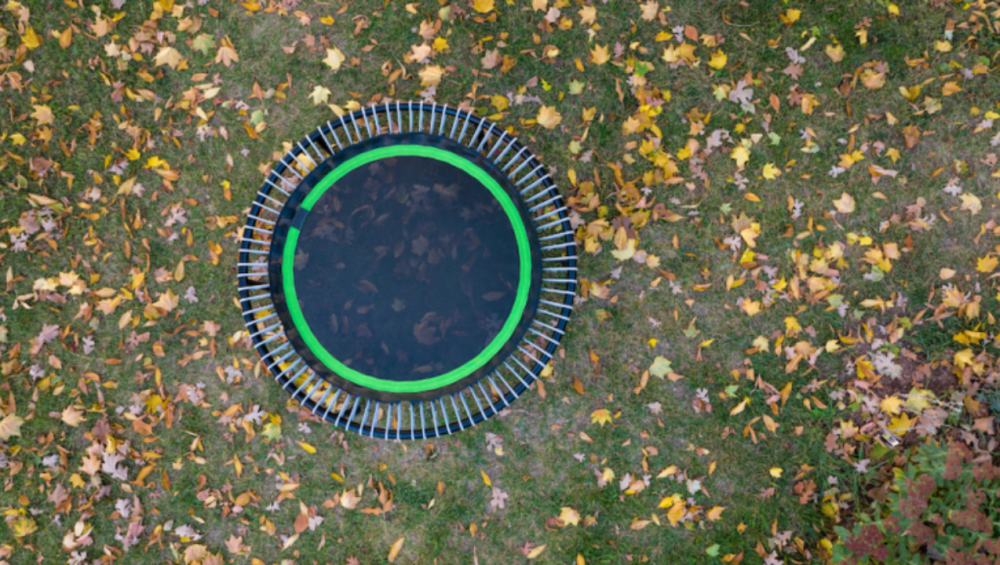
  1. Rebound or perform heel lifts for 3-5 minutes – Supporting lymphatic drainage is a form of detoxification so while drinking a ton of water is a key component, DRAINING properly is just as crucial AND since the lymphatic system works in conjunction with blood circulation, it’s extremely important that our lymph is flowing in order to keep our hormones balanced. 
  2. Alternate yoga poses from Downward Dog to Cat – Any time your head is below your heart, lymph flows from the highest point in your body to the lowest due to gravity so alternating between these poses is a great way to drain. 
  3. Whole body vibration – I have a Power Plate but it’s a bit of an investment and I’ve seen some more affordable versions on Amazon that look like they can get the job done. There’s tons of studies that have shown that mechanical vibrations encourage lymphatic drainage and can actually move stagnant lymph (PMID: 27739419). 
  4. Gua-sha – My acupuncturist who’s trained in traditional Chinese medicine recommended this protocol to encourage lymphatic drainage in my face and neck but it can be performed anywhere (even using a spoon!) along the lymphatic chain because research shows it increases circulation (PMID: 17905355).
  5. Wear a castor oil pack – By wearing a castor oil pack, the flow of lymph increases throughout the body which helps to speed up the removal of toxins. Wrap around your liver and wear for a few hours or overnight.
  6. Child’s Pose – This yoga pose stretches all the right places, releases all the right places and the compression of your stomach promotes abdominal lymphatic drainage. 
  7. Dry brushing – Your lymphatic system drains into your collecting ducts underneath your collar bone so make sure when you dry brush that you gently swipe towards the center of your body. 
  8. Coffee enema – This is a new one for me! And since you can’t DRAIN if you’re toxic, I’m helping my sluggish liver and stagnant lymph purge toxins. I’ve had numerous holistic practitioners over the years encourage me to do this, while medical professional advise against it. Only you can decide after you conduct your own research and discuss it with your provider. 
  9. Skip for 10-15 seconds – The repeated contraction and relaxation of muscles and connective tissues promote the upward movement of the lymph fluid through numerous lymph valves and effectively encourages drainage. 
  10. Manual lymphatic massage – I’m following Dr. Nicholson’s six lymph points (and he states the importance of doing them in this order to properly DRAIN!):
    1. Collarbone (Below and above)
    2. Side of the neck at C1/C2
    3. Pectoral/Axillary (Shoulder joint)
    4. Abdomen
    5. Inguinal (Groin crease)
    6. Popliteal (Behind knees)

The information provided in this blog post is for informational purposes only. The information is a result of years of practice and experience by Dr. Francesca LeBlanc. However, this information is NOT intended as a substitute for the advice provided by your physician. Do not use the information provided in this post for diagnosing or treating a health problem or disease, or prescribing medication or other treatment. Always speak with your physician or other healthcare professional before taking any medication or nutritional, herbal or homeopathic supplement, or using any treatment for a health problem. Please, do not disregard professional medical advice or delay in seeking professional advice because of something you have read on this website.

navigatingCategoriesPerimenopause Suppliments

Your Guide to Navigating Supplements During Perimenopause

I get asked about supplements a LOT. And the truth of it is through twenty years of trial and error combined with ten years of functional medicine training and application I have arrived at a combo that is perfect for me. No one’s diet is perfect 24/7, 365 days so a backup plan is essential to being proactive about your own health and wellness. Just promise me you won’t go buy a bunch of RANDO supplements on Amazon or GNC! It’s really worth your time to reach out to a functional health practitioner to get the EXACT targeted nutraceutical support you need.

A Disclaimer About Supplements

Supplements are intended to “supplement” – but I think some of us are still stuck in old patterns of belief that “a pill will solve the problem.” Wherever you are in your health, working on a challenge or maintaining the right place for you, take note that your adrenal glands return to a state of homeostasis (balance) a lot faster if you manage your life stress consistently. If meditation doesn’t work for you, try breath work. If getting to the gym is unrealistic, go for a walk, and if you can’t bear the thought of a yoga class, grab a notebook and start a gratitude journal. Any one act that will change your physiology for just ten minutes a day is RESTORATIVE. I talk a LOT about different supplements, nutraceuticals, adaptogens and essential oils that assist the body in healing adrenal gland dysfunction to educate (and hopefully add value to you). But, at the end of the day, supplements are tricky and meant to supplement a current protocol that a health practitioner has designed for you. I talk about supplements A LOT. So how do you know which ones are right for you? Test rather than guess the root causes of your health issues!! Perimenopause (and your hormones during perimenopause) is complex. Guessing which supplements to take might even exacerbate symptoms!

Understanding Supplement Regulations

First, remember supplements aren’t regulated by the FDA like medications. So the safety, efficacy, and quality of supplements can vary widely. Where you purchase them matters! Manufacturers are responsible for ensuring their products are safe (but they don’t always do this) and accurately labeled, but there’s limited oversight to verify any claims. 

  • Look for products that have been independently tested by reputable organizations. NSF International or ConsumerLab are two to check out.
  • In the absence of stringent FDA oversight, knowledge is power. Research supplement brands, read reviews and ask your doc!
  • Just because a product is available doesn’t mean it’s safe or appropriate for YOU.

Before taking a new supplement, always consult your doctor, preferably a functional medicine one! 

Not All Supplements Are Created Equal

When it comes to supplements, quality matters. Not all supplements are created equal, and the difference in quality can significantly impact their effectiveness and your experience. Some products may contain fillers, artificial ingredients, or lower-quality forms of nutrients that are less bioavailable, meaning your body cannot fully absorb and utilize them.

  • First, check for third-party testing and certification on the label, which indicates that the product has undergone independent quality checks.
  • Research the brand’s reputation and customer reviews to gauge the experiences of other users. Brands that are transparent about their sourcing and manufacturing processes are more reliable choices.
  • Consider supplement form. Some nutrients, like certain vitamins and minerals, have different forms with varying levels of bioavailability. Opt for supplements that use highly bioavailable forms for maximum absorption and effectiveness. 

Cycling Supplements

Some supplements, particularly adaptogens, require cycling to maintain their effectiveness and prevent reliance. Adaptogens are natural substances that help the body adapt to stress and restore balance. Cycling means you take the supp for a specific amount of time, then give your body a break before resuming use. You don’t want to develop a tolerance! Plus, you want the adaptogen to keep its efficacy. For example, you might take an adaptogen for four weeks, followed by a one-week break before starting again.

The Importance of Bioavailability

Ever heard of bioavailability? It plays a crucial role in the effectiveness of supplements. It refers to the proportion of a nutrient that your body can absorb and utilize. Even the most potent supplement may be ineffective if it has low bioavailability, as your body may not be able to access the nutrients inside. To enhance bioavailability:

  • Choose supplements that use high-quality, easily absorbed forms of nutrients. For example, look for methylated forms of B vitamins or chelated minerals, which tend to have higher absorption rates.
  • Some supplements benefit from being taken with food or other nutrients that aid absorption. Check your manufacturer’s directions.

I hope this helps! Remember to TEST and not GUESS the root cause of your symptoms to find supplements that work for YOU. If you know what supplements YOU need, check out my dispensary.


The information provided in this blog post is for informational purposes only. The information is a result of years of practice and experience by Dr. Francesca LeBlanc. However, this information is NOT intended as a substitute for the advice provided by your physician. Do not use the information provided in this post for diagnosing or treating a health problem or disease, or prescribing medication or other treatment. Always speak with your physician or other healthcare professional before taking any medication or nutritional, herbal or homeopathic supplement, or using any treatment for a health problem. Please, do not disregard professional medical advice or delay in seeking professional advice because of something you have read on this website.

habitsCategoriesHormones

3 Transformative Habits for Hormone Balance

Hormonal imbalance can be a silent disruptor, often going undetected while it insidiously affects your wellbeing. For many women, the personal quest to find equilibrium is about much more than symptom management—it’s about reclaiming a sense of normalcy and vitality. Sleepless nights, acne, mood swings, low sex drive, low energy – the list goes on and on!

The key to “fixing” hormone health is not in quick fixes, but in creating lasting habits that not only bring noticeable change but forge lasting results. Wondering what the heck I’m talking about? Scroll my IG if you’re confused! 😉 Now, if you’re with me – in this post, we explore three strategies any woman can do!! Each habit is rooted in simplicity yet carries potent potential to transform your day-to-day life.

1. Stacking Your Magnesium (Mag)

Magnesium plays a significant role in over 300 enzymatic reactions in the body, including those that regulate your hormones. To harness its full potential, consider employing a tactic known as ‘Magnesium stacking’. This means incorporating several forms of Magnesium at different times in the day.

Start your morning with a variant of Magnesium such as MagTech, which combines Taurate, Glycinate, and Threonate—each offering unique benefits to the body. Taurate is often associated with cardio protective abilities, Glycinate for calming effects, and Threonate for cognitive function.

In the evening, wind down with a different blend, like Reacted Magnesium, which includes Malate, Citrate, and Glycinate. The combination of these forms may support energy production, healthy metabolism, and muscle function—benefits that play into better sleep and overnight rejuvenation.

*Both supplements are available in my dispensary for your convenience but always check with your doc before starting any new supplement regimen. This blog post isn’t medical advice. 

2. Making & Meeting a Morning Protein Goal

What you choose to eat for your morning meal sets the stage for your body’s metabolic process throughout the day. To maintain blood sugar balance and fend off afternoon fatigue and cravings, aim for a breakfast packed with 30-35 grams of protein. Preferably within an hour of waking up and BEFORE coffee.

Swap out sweet, carb-laden breakfasts for savory options that can include eggs, Greek yogurt, or a high-quality protein shake. This simple switch helps stabilize blood sugar levels from the morning onward, potentially easing the work of your hormones for the rest of the day. Curious how I personally get that much protein before my morning coffee? Check out this blog post for my secrets!

3. Regulating Your Nervous System

Cortisol, the stress hormone, when elevated, can wreak havoc on your overall hormonal landscape. Actively regulating your nervous system is a proactive way to manage stress and lower cortisol levels. One approach is to engage in Polyvagal toning exercises.

Polyvagal theory emphasizes the importance of the vagus nerve in emotion regulation and stress response. These practices might include deep breathing, social engagement, or cold exposure, depending on what resonates with you. And if meditation isn’t your thing, don’t worry—there are plenty of Polyvagal exercises to explore. Find one that fits into your life and feels right for you, then make it a habitual effort.


Each tweak suggested here is more than a temporary fix; it’s a step toward a stable, new norm where hormonal health is centered. Remember, as with any changes to your health regimen, it’s advised to consult with a healthcare provider.

By making these new practices a part of your daily routine, you may very well notice the shift in how you feel—because when hormones find their balance, so do you.

Note: The products and supplements mentioned in this blog are available in my dispensary and are merely suggestions. Please consult with your healthcare provider to determine what is best for your individual health needs. This is not medical advice. 

foodCategoriesPerimenopause

Food as Medicine: Superfoods for Women in Perimenopause

Perimenopause can feel like uncharted territory. From brain fog and fatigue to mood swings and sleep issues, the transition into menopause brings a myriad of challenges that us women are unprepared for. But here’s the thing—diet can be a game-changer. What if the food on your plate (aka superfoods) could double as medicine, easing your symptoms and restoring balance to your body?  If you’re navigating the rollercoaster of perimenopause, this guide is for you. Below, I’ll explore how food can act as medicine and share the top superfoods you should incorporate into your diet during this phase of your life. 

Understanding Perimenopause and the Food-Body Connection 

Perimenopause is the transitional phase before menopause, often occurring in women in their 40s, although it can begin earlier. During this time, hormone levels like estrogen and progesterone fluctuate, leading to symptoms such as weight gain, hot flashes, difficulty sleeping, and mood changes. While these symptoms are natural, they’re far from pleasant (IYKYK!).  This is where food as medicine comes into play. Unlike a quick-fix remedy or synthetic treatment, a nutrient-rich diet offers lasting benefits that address the root causes of these imbalances. Certain foods are packed with compounds that help balance hormones, reduce inflammation, and support overall well-being. 

Benefits of Eating Superfoods 

Why focus on superfoods? They’re nutrient-dense and versatile, providing your body with essential vitamins, minerals, and antioxidants. Including them in your diet can offer key benefits like:

  • Hormone Balance: Phytoestrogens, found in certain plants, help balance estrogen levels. 
  • Enhanced Energy Levels: Micronutrients can combat fatigue and restore vitality. 
  • Better Sleep: Some foods help regulate melatonin and cortisol, improving sleep quality. 
  • Reduced Inflammation: Anti-inflammatory compounds help soothe chronic bodily inflammation, which tends to flare up during perimenopause. 

So which superfoods am I talking about?? 

Superfoods to Add to Your Diet During Perimenopause 

1. Flaxseeds 

Flaxseeds are tiny but mighty. Packed with lignans (a type of phytoestrogen), flaxseeds can help balance estrogen levels in the body. They’re also rich in fiber, which aids digestion and supports healthy blood sugar regulation.  How to Use It 

  • Sprinkle ground flaxseeds over oatmeal or yogurt. 
  • Blend into your smoothies for a hormone-balancing boost. 

2. Leafy Greens 

Spinach, kale, Swiss chard—they’re all powerhouse greens loaded with magnesium, calcium, and iron. Magnesium, specifically, can help reduce symptoms like irritability, fatigue, and trouble sleeping.  How to Use It 

  • Add a handful of spinach to smoothies. 
  • Sauté kale with garlic for an easy, nutrient-packed side dish. 

3. Salmon 

Rich in omega-3 fatty acids, salmon supports hormone production and reduces inflammation. Omega-3s also promote heart health, a growing concern for women entering menopause.  How to Use It 

  • Bake or grill salmon for dinner. 
  • Add cold-smoked salmon to your salads or whole-grain toast. 

4. Berries 

Blueberries, strawberries, and raspberries aren’t just tasty—they’re also antioxidant-rich. These nutrients combat oxidative stress, which can exacerbate common perimenopause symptoms like brain fog and fatigue.  How to Use It 

  • Snack on fresh berries during the day. 
  • Use frozen berries for a hearty smoothie. 

5. Avocado 

Avocado is an excellent source of healthy fats and vitamin E, both of which are essential for hormone production. It also contains potassium, which helps regulate blood pressure.  How to Use It 

  • Use avocado as a spread on whole-grain toast. 
  • Blend it into a creamy smoothie with spinach and almond milk. 

6. Sweet Potatoes 

Sweet potatoes are a great source of complex carbs, which stabilize blood sugar levels. Steady blood sugar is key for mood consistency and energy throughout the day.  How to Use It 

  • Roast sweet potato wedges as a side dish. 
  • Mash them for a comforting, nutrient-packed addition to your plate. 

7. Turmeric 

Golden turmeric is celebrated for its anti-inflammatory properties, thanks to an active compound called curcumin. Turmeric’s benefits extend to reducing joint pain, a common complaint during perimenopause.  How to Use It 

  • Stir turmeric into soups or stews. 
  • Brew a comforting turmeric latte. 

8. Greek Yogurt 

Greek yogurt is a fantastic source of protein and probiotics. Probiotics support gut health, which impacts hormone regulation. New research reveals the gut-hormone connection is more significant than we once thought.  How to Use It 

  • Top Greek yogurt with berries and flaxseeds. 
  • Enjoy with a drizzle of honey for a quick snack. 

9. Chia Seeds 

Chia seeds are a nutritional powerhouse, providing omega-3s, fiber, and calcium—all crucial for handling perimenopausal challenges.  How to Use It 

  • Mix chia seeds into almond milk for an overnight pudding. 
  • Add them to your smoothies or baked goods for texture and nutrition. 

10. Dark Chocolate (70%+ Cocoa) 

Yes, dark chocolate can be part of a healthy diet! High-quality dark chocolate contains magnesium, which soothes anxiety and supports better sleep.  How to Use It 

  • Indulge in a square of dark chocolate as an afternoon treat. 
  • Grate it over fresh fruit for dessert. 

Bonus Superfood – Beef

I’m NOT vegan. I used to be and it wrecked my hormones. My body needs the animal-based protein, B12 and iron from grass-fed beef. However, I completely understand the cultural predicament this presents for people who follow a vegan diet for philosophical reasons. When a cow is grass-fed and grass-finished, you actually get much higher levels of omega-3’s and CLA’s (conjugated linoleic acids). That means that you’re getting something that’s got the good fats of salmon but taste likes really good beef. There aren’t a ton of studies available right now but there is one in particular that shows grass-fed beef is more nutrient dense than its conventional counterpart. (PMID: 22063662). High-quality fats like Conjugated Linoleic Acid found in grass-fed beef support weight-loss (PMID: 17490954) (great for those extra perimenopause pounds!).

Heme-iron from beef and organ meat is also highly absorbable and helps us fight fatigue by building new red blood cells (critical during our menstrual cycle, gals). So for me, I’m adding in beef due to its rich nutritional profile. It’s an excellent source of high-quality protein, which helps maintain muscle mass that can decline during hormonal changes, too! Lastly, don’t forget to use beef tallow or coconut oil in your cooking and ditch all of those inflammatory industrial cooking oils!

Tips for Incorporating These Superfoods into Your Meals 

  • Plan Ahead: Dedicate time on weekends to meal prep nutrient-dense meals for the week. 
  • Start Small: Begin by introducing one new superfood at a time to gradually adjust your palate. 
  • Get Creative with Recipes: Experiment with different dishes and cooking techniques using these superfoods. 

The information provided in this blog post is for informational purposes only. The information is a result of years of practice and experience by Dr. Francesca LeBlanc. However, this information is NOT intended as a substitute for the advice provided by your physician. Do not use the information provided in this post for diagnosing or treating a health problem or disease, or prescribing medication or other treatment. Always speak with your physician or other healthcare professional before taking any medication or nutritional, herbal or homeopathic supplement, or using any treatment for a health problem. Please, do not disregard professional medical advice or delay in seeking professional advice because of something you have read on this website.
872643 6a47 e627 0213 211cda4ca08b Phantom smelling 1 768x402 1CategoriesHormones Perimenopause

Phantom Smells During Perimenopause and Menopause

Phantom Smells During Perimenopause and Menopause: What You Should Know

Have you ever smelled something burning, metallic, or even rotten, only to discover there’s nothing there? You’re not alone. This odd phenomenon is called phantosmia, a condition where people perceive smells that don’t actually exist. It can affect anyone. But, it’s surprisingly common in women going through perimenopause and menopause. Most women don’t associate changes in their sense of smell with hormonal shifts, but these changes can play a significant role. Here’s what you need to know about this condition, its possible causes, why it’s showing up during menopause, and what you can do about it.

What Is Phantosmia?

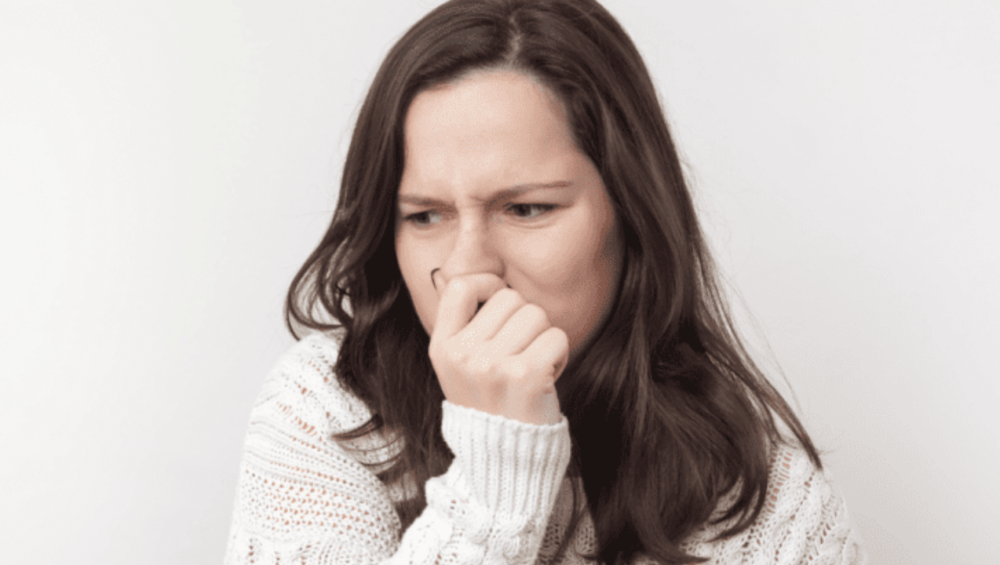
Phantosmia, also known as an “olfactory hallucination,” is the experience of smelling something that isn’t actually there. Unlike odors caused by external factors (like smoke, perfume, or garbage), it originates internally, within your olfactory system. Common phantom smells include:

  • Burning (such as smoke, toast, or burnt popcorn)
  • Metallic or chemical-like odors
  • Rotting or garbage-like scents
  • Ammonia or other strong, astringent smells

These phantom smells can occur in one or both nostrils and may happen sporadically or persist for hours. While the experience can be unsettling, it’s typically not cause for alarm.

Phantosmia and Perimenopause

For women in perimenopause and menopause, phantosmia is often the result of hormonal changes. Estrogen and progesterone, the two primary hormones that regulate the female reproductive system, also influence various sensory systems, including your sense of smell. When these hormone levels fluctuate during perimenopause, it can disrupt your olfactory receptors, causing phantom smells. Additionally:

  • Sensory sensitivity often increases during hormonal shifts, making women more prone to changes in smell perception.
  • Stress and fatigue, common during this stage of life, may also contribute to olfactory disruptions. 

Many women describe smelling smoke or burning toast, which can lead to unnecessary panic. However, rest assured, phantom smells are a harmless byproduct of hormonal fluctuations for most women.

Phantosmia Is NOT an Indicator of Stroke (Usually)

For years, a burning or smoky smell was often associated with warning signs of a stroke. However, this theory has been debunked. It is not a good indicator of stroke or a neurological emergency. That being said, it’s still wise to understand the real warning signs of a stroke, such as:

  • Sudden numbness or weakness in your face, arms, or legs
  • Sudden confusion, trouble speaking, or difficulty understanding speech
  • Sudden dizziness, loss of balance, or coordination issues
  • Severe, unexplained headache

If you experience any of these symptoms along with phantom smells, seek medical attention immediately.

Could Long COVID Be Causing Phantom Smells?

An interesting twist in the phantosmia conversation is its link to long COVID. For individuals who have had COVID-19, changes to their sense of smell have been well-documented. These changes range from anosmia (loss of smell) to parosmia (distorted smells) and, yes, phantosmia. While the exact mechanisms are still being studied, it’s believed that COVID-19 affects the olfactory nerves, which can cause phantom smells to linger long after recovery. If you’ve experienced COVID-19 and developed phantosmia, your hormonal fluctuations during menopause could further amplify these effects. The good news? For both long COVID and menopause-related phantosmia, the condition is usually temporary.

What You Can Do About Phantosmia

While phantosmia can be frustrating and sometimes alarming, there are steps you can take to manage it:

1. Rule Out Underlying Medical Causes

While phantosmia during menopause is typically related to hormonal changes, it can also result from other conditions, such as:

  • Sinus infections or allergies
  • Migraines
  • Neurological issues

If phantom smells persist or interfere significantly with your daily life, consult a healthcare provider to ensure there’s no underlying medical issue.

2. Treat Hormonal Imbalances

Since hormonal fluctuations are a significant contributor, addressing these shifts can help reduce phantosmia. Options include:

  • Supplements like vitamin D, magnesium, and omega-3s may support hormonal balance naturally.
  • Lifestyle changes, such as stress management, regular exercise, and a balanced diet, can help stabilize your hormones.
  • Testing and NOT guessing!

I can’t stress enough how crucial it is to test, not guess, when it comes to understanding your hormones. If you think you have phantosmia and then just simply take a Vitamin D supplement because of something you saw on TikTok – you’ll likely just end up feeling frustrated with the same symptoms and money down the drain. Who wants that?! Guessing is like throwing a dart blindfolded! That’s exactly why I created my at-home hormone testing kits. So you can get real results with REAL answers. These tests are simple to use, highly accurate, and allow you to get a clear snapshot of your unique hormone profile without stepping foot outside your home. Armed with real data, you can finally pinpoint what’s happening in your body and identify where you need to make changes.

3. Practice Stress Management

Stress increases cortisol levels, which can heighten sensory sensitivities and make phantom smells worse. Techniques such as deep breathing, meditation, or yoga can help manage stress and reduce the frequency of phantosmia episodes.

4. Stay Hydrated and Rested

Dehydration and fatigue are common culprits in sensory disruptions. Drinking plenty of water and ensuring you get adequate rest can prevent symptoms from worsening.

5. Neutralize Phantom Smells

If phantom smells become overwhelming, try these tips:

  • Use a saline nasal spray to clear out your nasal passages.
  • Carry a soothing essential oil, such as lavender or eucalyptus, to counteract unpleasant phantom smells.
  • Place a fan or air purifier near you for fresh air circulation.

It’s Normal, but Don’t Ignore It

Phantosmia can feel strange and unsettling, especially when it appears out of nowhere. It’s reassuring to know that for women in perimenopause and menopause, it’s most often a harmless side effect of hormonal changes or other conditions like sinus issues or long COVID. However, while the condition is rarely serious, it’s worth mentioning to your doctor. They’ll help rule out other causes and provide guidance on managing your symptoms more effectively.

Final Thoughts

Phantom smells may come as a surprise, but they’re more common than you think, particularly for women navigating the hormonal shifts of perimenopause and menopause. By staying informed, you can better understand your body and take practical, reassuring steps to address symptoms like phantosmia. If this topic resonates with you, share your story in the comments below or reach out to your healthcare provider for personalized insights. You’re not alone in this, and together, we can decode the fascinating changes that come with this stage of life. 


The information provided in this blog post is for informational purposes only. The information is a result of years of practice and experience by Dr. Francesca LeBlanc. However, this information is NOT intended as a substitute for the advice provided by your physician. Do not use the information provided in this post for diagnosing or treating a health problem or disease, or prescribing medication or other treatment. Always speak with your physician or other healthcare professional before taking any medication or nutritional, herbal or homeopathic supplement, or using any treatment for a health problem. Please, do not disregard professional medical advice or delay in seeking professional advice because of something you have read on this website.

bdb5de4 b31e 4441 decb cfe6c681f507 Is your laundry detergent making you fat 768x402 1CategoriesEndocrine Disruptors Hormones Weight Loss

Is detergent making you fat? Learn about Sodium Laureth Sulfate

Three words: Sodium Laureth Sulfate (SLS). Struggling with unexplained weight gain during perimenopause? It might be time to take a closer look at what’s in your laundry room. Specifically, those innocent-looking bottles of laundry detergent could be sneaking harmful chemicals into your home, impacting hormone balance and contributing to weight gain.

This isn’t just about changing your detergent, though. It’s about reducing your overall toxic load and supporting your body’s natural systems during a time of hormonal shifts.

The Hidden Culprit in Your Laundry Detergent: Sodium Laureth Sulfate

Chances are, Sodium Laureth Sulfate is in your laundry detergent right now. Go grab the bottle (you might need your reading glasses too!) and look for it on the label. If it’s there, it’s time to learn why eliminating this ingredient could make a big difference in your overall health and well-being, especially as you approach menopause.

What is SLS (Sodium Laureth Sulfate)?

SLS is a cheap, widely used surfactant, meaning it’s responsible for creating many of the suds and foaming action in detergents, shampoos, and soaps. While it sounds benign enough, research has shown that SLS can have a far-reaching impact on the body.

The Endocrine System and Hormonal Imbalance

Your endocrine system regulates hormones throughout your body. But studies have found that Sodium Laureth Sulfate can disrupt this delicate system, as it mimics estrogen in your body, leading to an imbalance in hormone levels. For women in perimenopause, this effect can be particularly harmful, potentially exacerbating estrogen dominance. The result? A frustrating struggle with weight gain, mood swings, and other symptoms tied to hormone imbalance.

The Bigger Problem Behind Sodium Laureth Sulfate

Here’s where it gets even more concerning. While SLS on its own hasn’t been directly linked to cancer, that doesn’t mean it’s safe. When combined with 1,4-dioxane, a by-product that’s often found in detergents, it becomes even more harmful.

  • Toxic Load – Your liver, the organ responsible for detoxifying your body, struggles to metabolize 1,4-dioxane effectively. This leads to longer retention of toxins in your body, increasing the overall toxic burden on your system.
  • Absorption Risks – SLS is a penetration enhancer, meaning it can make its way into your bloodstream via your skin. Research from the University of Georgia Medicine found that SLS can permeate vital organs including the liver, brain, and heart.
  • Environmental Impact – It doesn’t stop at harming your health. SLS is also used as a pesticide and herbicide in organic farming and is a known water pollutant. Once it’s washed down the drain along with your laundry, it contributes to environmental damage, harming marine ecosystems.

Calling Out the Usual Suspects

You’ve likely heard of arguably one of the most popular laundry detergent brands (rhymes with ride). Its iconic scent may transport you back to your childhood, but those strong memories come with a hidden cost. Here’s why mainstream detergents are problematic:

  • SLS and Fragrance – “Fragrance” is an umbrella term for a cocktail of potentially thousands of synthetic chemicals, none of which need to be disclosed on labels.
  • Undisclosed Ingredients – Common household detergents have been found to contain 1,4-dioxane, a probable human carcinogen according to the EPA. Testing has shown that exposure can damage the liver and kidneys and has even caused tumors in animals. Shockingly, 1,4-dioxane isn’t listed in ingredient labels on most because it’s classified as a by-product. This legal loophole leaves consumers in the dark, unaware of the risks.

Back in 2012, independent testing revealed the presence of 1,4-dioxane in popular household products. Despite public outcry, harmful ingredients like these remain present in many conventional brands today.

What Can You Do?

Empowering yourself starts with reducing your exposure to hazardous chemicals. Start small by swapping out your current detergent for safer, more natural options.

Safer Laundry Solutions

Here are a few alternative options to try:

  • DIY Detergent – I’ve been using my Enagic K8, a water ionizer, to make my own detergent with strong alkaline water and essential oils. It’s simple, effective, and chemical-free!
  • Cleaner Brands
    • Branch Basics – a plant- and mineral-based solution that’s tough on stains but gentle on your body and the planet.
    • BioKleen – A no-nonsense detergent free of phosphates, chlorine, and other nasties.
    • Molly’s Suds – Safe for sensitive skin and formulated with just a handful of non-toxic ingredients.

Why Small Changes Matter

Switching your laundry detergent may seem like a minor adjustment, but it’s a significant step toward lowering your overall toxic load. Every small improvement adds up, especially during perimenopause when your body is working harder than ever to maintain balance.

Protect Your Wellness, One Load at a Time

The habits we don’t think twice about often have the greatest impact on our day-to-day lives. By being mindful of what’s in your laundry detergent, you’re taking control over a critical aspect of your health and setting yourself up for a smoother transition into menopause. Start small, dream big. And if switching to a new laundry detergent could make a difference in how you feel and function, why not give it a try?

Yours in health and harmony,

Dr. LeB


The information provided in this blog post is for informational purposes only. The information is a result of years of practice and experience by Dr. Francesca LeBlanc. However, this information is NOT intended as a substitute for the advice provided by your physician. Do not use the information provided in this post for diagnosing or treating a health problem or disease, or prescribing medication or other treatment. Always speak with your physician or other healthcare professional before taking any medication or nutritional, herbal or homeopathic supplement, or using any treatment for a health problem. Please, do not disregard professional medical advice or delay in seeking professional advice because of something you have read on this website.

03e407e e3dc 023e 255b bf22de8df5b1 Sweating Snapping Same 768x402 1CategoriesHormones Perimenopause

Sweating? Snapping? Same.

Summer can feel like a hormonal rollercoaster—and it’s not just the heat. From disrupted sleep and blood sugar swings to the extra stress of juggling travel, kids, and routines that went out the window in May, your body’s internal balance can take a serious hit. How to support hormone health in summer? We know symptoms like irritability, fatigue, bloating, and mood changes aren’t random—they’re signals. And when you layer in longer days, higher temps, and more inflammatory foods (hello, rosé + barbecue), your hormones may be waving a white flag. Let’s talk about how to cool the chaos—from cortisol to insulin to estrogen—so you can actually enjoy the season. If you’ve found yourself more bloated, moody, wired-but-tired, or one glass of wine away from a meltdown, you’re not alone. Summer can wreak havoc on your hormones—but it doesn’t have to. From cortisol spikes to blood sugar crashes, the season’s hidden stressors can leave you feeling off. The good news? A few intentional shifts can help you stay balanced, energized, and actually enjoy this season. Here’s how I think about hormone health in summer:

1. Don’t Fear the Sun—Your Hormones Need It

We need natural sunlight for so many things—vitamin D production, sleep regulation, immune health, and yes, hormonal balance. Vitamin D plays a role in insulin sensitivity, inflammation, and mood, and most of us are deficient (even in sunny climates). Here’s the key: Get direct sun exposure on your skin for about 10–20 minutes a day without sunscreen (morning or late afternoon is best), depending on your skin tone. Then, if you’re out for longer, use a mineral sunscreen with zinc oxide instead of chemical-filled versions that can disrupt hormones. TL;DR: Don’t lather up with endocrine-disrupting sunscreen all day—let your skin soak up the benefits of the sun first.

2. Skip the Plastic Water Bottles (Especially in a Hot Car)

One of the sneaky hormone disruptors you don’t hear enough about? Microplastics and BPA leaching into your water from disposable bottles—especially when they’re sitting in the heat on a road trip or pool deck. Not good for your hormone health this summer! These compounds are endocrine disruptors and can mess with everything from estrogen balance to thyroid function. Try this instead: Bring a stainless steel or glass water bottle and fill it with filtered water before you leave. Bonus: add a pinch of sea salt + a squeeze of lemon for natural electrolytes and hydration support.

3. Alcohol Wrecks… Kind of Everything

I know, I know. It’s summer. Margaritas, porch wine, cocktails on vacation. But let’s talk science: alcohol increases cortisol, destroys REM sleep, disrupts blood sugar, and puts added stress on your liver—your body’s main hormone detox organ. Even “light” drinking (1–2 glasses of wine) can cause sleep fragmentation and mood dips the next day—especially in women. What I recommend: Try a sober curious week. See how your mood, energy, and digestion shift. Still sipping occasionally? Hydrate, eat beforehand, and limit it to 1–2 nights a week.

4. You (Probably) Need More Sleep

Sleep is foundational for both physical and emotional well-being—and that goes for our kids, too. Prioritizing 7–9 hours of quality sleep each night starts with a consistent bedtime routine. Shut off screens an hour before bed (two if you can). Blue light from devices disrupts melatonin production. Instead, create a calming wind-down: devotionals, journaling, or quiet time can support better sleep, inner healing, and family connection.

5. Eat Protein with Every Meal

Aim for 1 gram of protein per pound of goal body weight. For her, that meant 130g/day. This supports blood sugar regulation, muscle maintenance, satiety, and hormone synthesis. Easy ideas: Add collagen to iced coffee, toss grilled protein over greens, blend protein powder into smoothies, keep hard-boiled eggs or turkey roll-ups handy. Protein doesn’t have to be complicated—just consistent.

Bonus Tips to Support Hormone Health in Summer

  • Add magnesium-rich foods like leafy greens, pumpkin seeds, and dark chocolate to support cortisol balance
  • Try strength training 2–3x per week to support insulin sensitivity, estrogen levels, and metabolism

With sunlight, clean hydration, targeted protein intake, and less alcohol, you can feel like yourself again—maybe even better and you’ll keep your hormone health this summer in check. 


The information provided in this blog post is for informational purposes only. The information is a result of years of practice and experience by Dr. Francesca LeBlanc. However, this information is NOT intended as a substitute for the advice provided by your physician. Do not use the information provided in this post for diagnosing or treating a health problem or disease, or prescribing medication or other treatment for your hormone health this summer. Always speak with your physician or other healthcare professional before taking any medication or nutritional, herbal or homeopathic supplement, or using any treatment for a health problem. Please, do not disregard professional medical advice or delay in seeking professional advice because of something you have read on this website.

c7b457 f20a fe6 7253 dcf8e146c270 Top 5 SupplementsCategoriesPerimenopause Suppliments

5 Non-Negotiable Supplements Every Woman in Perimenopause Should Know About

Perimenopause is not for the faint of heart. The hormone shifts, the brain fog, the restless nights, and the “why does my body feel like it’s rebelling against me?” moments can leave you frustrated and searching for answers. The truth is, while lifestyle foundations like nutrition, movement, and sleep will always be step one, smart supplementation can make the ride a whole lot smoother.

I’m not talking about throwing spaghetti at the wall with trendy powders or gimmicky “menopause miracle” products. I’m talking about research-backed supplements that support mood, energy, hormones, and long-term health during one of the most critical phases of a woman’s life. These are the ones I consider non-negotiables — the baseline tools every perimenopausal woman should at least know about.

And spoiler: all of these are currently featured in my shop because I like to keep it stupid simple (KISS). 

1. Creatine: Not Just for Gym Bros

Let’s clear this up once and for all: creatine is not just for bodybuilders. Yes, it supports muscle strength and recovery but its benefits go way beyond the squat rack.

In fact, a 2021 study showed that women who added creatine to their lifestyle interventions saw depressive symptoms improve faster than lifestyle changes alone (PMID: 33800439). That’s huge. Perimenopause is often marked by mood changes thanks to shifting hormones, and creatine seems to play a role in brain energy metabolism that can help steady the ship.

So while creatine can help you feel stronger in the gym, it may also help you feel stronger mentally and emotionally. That’s why I use it and recommend it regularly.

My pick: Kleen Athlete Creatine

2. Magnesium: The Mineral of Calm

If there were one mineral I could beam into every perimenopausal woman’s body, it would be magnesium. Your hormones, nervous system, and circadian rhythm absolutely crave it. Research shows magnesium can lower stress (PMID: 28526383), support hormone balance (PMID: 23056605), and improve sleep quality. Translation? Better recovery, deeper rest, and fewer “I might lose it” moments.

Here’s the problem: most women are deficient. Between stress, processed foods, and soil depletion, magnesium intake is often far below optimal. Adding a high-quality magnesium supplement can be a game-changer for mood, energy, and sleep.

My pick: Ortho Molecular Reacted Magnesium

3. Protein: Your Metabolism’s Best Friend

Say it with me: protein is not optional. Perimenopause is often when women start noticing changes in body composition — slower metabolism, easier weight gain, harder recovery. One reason is declining muscle mass, and protein is your defense against it.

Did you know that even a simple protein shake before a meal can naturally boost your GLP1 levels (PMID: 23666746)? That means better satiety, steadier blood sugar, and fewer energy crashes. In a world of ultra-processed convenience foods, protein gives your body the building blocks it needs to thrive.

Whether you’re blending it into a smoothie, stirring it into oatmeal, or just shaking it up with water, a high-quality protein powder is one of the easiest tools for perimenopausal health.

My pick: Ballerina Farm Farmer Protein

4. Omega-3: Nature’s Inflammation Fighters

If I could describe Omega-3 fatty acids in one phrase, it would be cellular peacekeepers. EPA and DHA (the active compounds in Omega-3 supplements) are inflammation fighters that support brain, heart, and hormonal health.

Research shows Omega-3s can improve insulin sensitivity and reduce systemic inflammation (PMID: 29538286). That’s crucial because perimenopause is often a time when women start experiencing creeping blood sugar issues, higher cholesterol, or increased cardiovascular risk. Think of Omega-3s as long-term health insurance in a capsule, one of the smartest daily investments you can make.

My pick: Nordic Naturals Pro-Omega 2000

5. Nicotinamide Riboside: The Longevity Edge

Finally, let’s talk about one of the most exciting emerging supplements: Nicotinamide Riboside (NR). It’s been called a “longevity vitamin” because of its ability to boost NAD+ levels, which decline with age.

Why does this matter? NAD+ is a coenzyme involved in energy production, DNA repair, and cellular resilience. Early research suggests boosting NAD+ through NR supplementation may improve energy, slow aspects of aging, and support longevity (PMID: 37630330). Is the science still evolving? Absolutely. But the early signals are strong enough that I consider this a valuable addition to the perimenopause toolkit.

My pick: Tru Niagen Pro 500

Why These Are My Non-Negotiables

Each of these supplements fills a unique gap in perimenopausal health. Together, they create a foundation for:

  • Stable energy and mood
  • Better sleep and stress resilience
  • Muscle preservation and metabolic support
  • Reduced inflammation and long-term protection
  • A proactive approach to aging and longevity

They’re not gimmicks. They’re not “quick fixes.” They’re tools that, when combined with nutrition, movement, and lifestyle changes, can help you feel like yourself again — maybe even better. So if perimenopause has you feeling like your body is running the show, take this as your sign.