
seedCategoriesHormones Nutrition

Industrial Seed Oils and Your Hormone Health

In my over-two-decade journey to Balancing my Hormones, eliminating certain cooking oils was one of the most recent changes I made. (I’m not kidding.) Truth be told, I used sunflower and grapeseed oils for years; I had no idea how they, in recent years, have fallen into the “toxic industrial seed oil” category! I always bought non-GMO and organic so I thought it was okay. Until I started diving into the research.

So What are Industrial Seed Oils?

The eight industrial seed oils are Canola, Corn, Cottonseed, Soy, Sunflower, Safflower, Grapeseed, and Rice bran. These oils are highly processed from soybeans, corn, rapeseed, cottonseed, sunflower and safflower seeds.

How did they become so toxic? One word: Oxidation.

During processing, the seeds themselves are heated to extremely high temperatures to oxidize the fatty acids. Unfortunately, Omega-6 (unhealthy) fats are found in oils such as corn, safflower, sunflower, soy and vegetable and products made with those oils. And we have known for years that excess consumption of omega-6 fats can trigger the body to produce pro-inflammatory chemicals. (1)

What’s wrong with industrial seed oils?

There are a few problems with industrial seed oils, all of which play a significant role in chronic inflammatory diseases:

  1. Eating industrial seed oils raises our omega-6-to-omega-3 fatty acid ratios, with significant consequences for our health
  2. Industrial seed oils are unstable and oxidize easily
  3. They contain harmful additives
  4. They’re derived from genetically modified crops
  5. When industrial seed oils are repeatedly heated (as restaurants do in fryers), even more toxic byproducts are created

How are industrial seed oils making us sick?

Industrial seed oils, even if organic or non-gmo, are not healthy. A number of chronic inflammatory diseases have been linked to the consumption of Omega-6 and the byproducts of these oils, in addition to health problems like (2):

  • Anxiety
  • Asthma
  • Autoimmune disease
  • Depression
  • Dementia
  • Diabetes
  • Heart disease
  • Hormone Imbalance
  • Infertility
  • Inflammation
  • Intestinal Permeability, “leaky-gut”
  • Obesity
  • Osteoarthritis

When it comes to our hormones, did you know that Omega-3 fatty acids (good fats!) are the precursors to properly produced hormones? Therefore, consumption of its counterpart Omega-6 will not promote healthy hormone balance (3).

My Final Thoughts

The best thing you can do for your own (hormone) health and the health of your family is to begin to reduce and eventually eliminate all vegetable oils and margarines from your home. Replace them with healthy saturated fats. I like to bake with coconut oil and grass-fed butter. For stove-top sauteing and stir-frying I opt for avocado or coconut oil. Extra virgin olive oil is my go-to for homemade salad dressing.

  1. https://www.ncbi.nlm.nih.gov/pmc/articles/PMC3335257/
  2. https://pubmed.ncbi.nlm.nih.gov/12442909/
  3. https://pubmed.ncbi.nlm.nih.gov/15385858/
magnesiumCategoriesHormones Nutrition

All About Magnesium

What you Need to Know about Magnesium and Hormones 

Are you the queen of mood swings? (Yeah, join the club!). It could be a magnesium deficiency wreaking havoc on your hormones! In addition to brain fog and insomnia, mood swings are one of the most common challenges that patients present to my clinic with. Mood swings also happen to be very commonly associated with adrenal dysfunction. 9 times out of 10 these patients also have a mag deficiency. Here are some symptoms:

  • Migraines
  • Anxiety
  • Fatigue
  • Muscle pain
  • Leg cramps
  • Insomnia
  • High blood pressure
  • Fibromyalgia
  • Type 2 Diabetes

What’s the Effect of Magnesium on Cortisol Levels? 

When the adrenal glands spike cortisol in response to stress you deplete your magnesium! What if you never address your level of stress? (Hormone Imbalances for days…) In a 2020 study out of the Journal of Nutrients – we now know that stress could increase magnesium deficiency; and in turn, that deficiency could enhance the body’s susceptibility to stress, resulting in a vicious cycle. Below is more research. 

What is Magnesium? Why Might I Need More of It for Hormone Balance?

Let’s discuss the role of magnesium in hormone regulation. Magnesium is an essential mineral. It plays a role in many of the body’s functions from regulating metabolism to providing energy and supporting muscle contraction. Here are five reasons why all women should make sure to get enough:

  1. Supports bone health: It is essential for healthy bones because it helps to absorb calcium, which is necessary for strong bones. In fact, a lack of adequate magnesium can lead to decreased bone mineral density.
  2. Helps with PMS: Research has found that women who supplement with magnesium regularly experience less severe PMS symptoms, such as headaches, bloating and cramps.
  3. Helps reduce stress: It helps reduce stress by modulating the body’s stress hormones, which can help women to relax more easily. It also helps protect against depression and anxiety.
  4. Can help combat menopause symptoms: It can reduce symptoms of menopause! Yes, even hot flashes and night sweats. It is also important for cardiovascular health, which can be negatively impacted during menopause due to lower estrogen levels.
  5. Aids in digestion: It helps regulate digestion by controlling the contraction and relaxation of muscles in the digestive tract. This basically helps your food move through your intestines more easily.

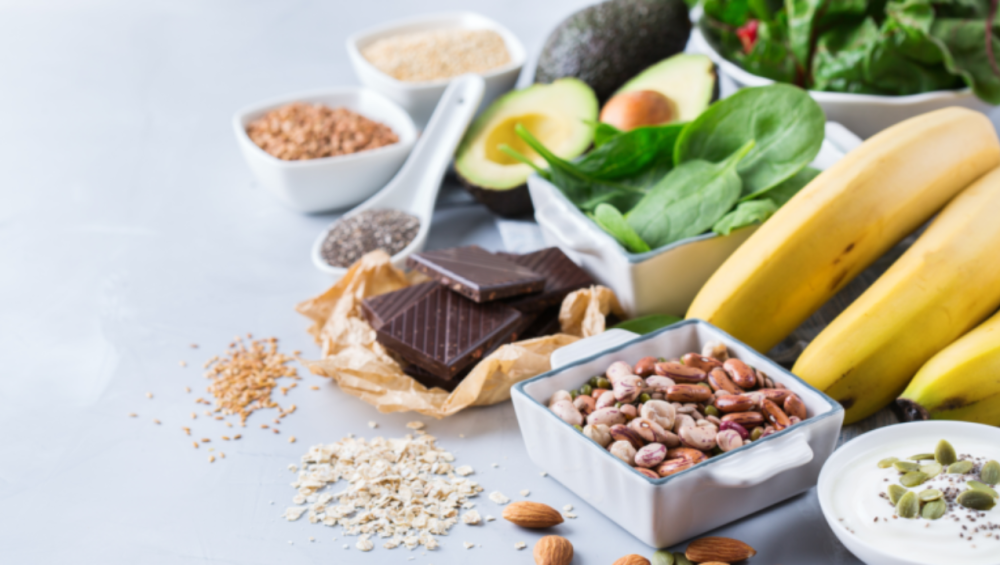
The best way to get enough is from a healthy diet! That includes plenty of green leafy vegetables, nuts, and whole grains. If you don’t think your diet is providing enough, you can also consider taking a supplement (more on that below). A high quality multivitamin made from Whole Foods should get you pretty close to your R.D.A. But to bridge the gap, load up on:

  • Spinach
  • Swiss chard
  • Pumpkin seeds
  • Black beans
  • Dark chocolate
  • Almonds
  • Avocado
  • Bananas 
  • Sesame seeds

How Does Magnesium Work in Your Body?

Magnesium is needed for over 600 physiological reactions in your body to be carried out successfully. Glutathione – your body’s main powerhouse antioxidant (needed to destroy free radicals!) – cannot be synthesized without adequate magnesium.  It works alongside calcium and researchers believe a deficiency allows calcium to build up in the lungs, causing constriction, which can lead to asthma. It also partners with calcium to control inflammation and reduce the hardening of your arteries, regulate your blood pressure and improve blood flow through your arteries by controlling its thickening. This will reduce your risk of heart disease. Heart disease is the number one killer of women!  It also assists in blood sugar regulation by regulating insulin and A1c. This reduces your risk for Type ll diabetes. 

Benefits of Magnesium for Thyroid Function

Magnesium also plays a crucial role in thyroid function for the synthesis of thyroid hormones. It’s involved in the conversion of the inactive form of thyroid hormone (T4) to the active form (T3) in the body. Additionally, magnesium helps regulate the body’s response to thyroid-stimulating hormone (TSH), which controls the production and release of thyroid hormones. As you might be able to guess, adequate levels of magnesium are necessary for optimal thyroid function. 

How Much Do You Need a Day? 

Generally speaking, you need to supplement with around 400 mg/day but you can increase your level naturally by consuming those dark green leafy vegetables and those foods I mentioned earlier to increase your intake naturally.  I love dark leafy greens. Try kale and spinach to supply your body with a key stress management and relaxation mineral – you guessed it – magnesium. With so many different forms of supplementation available, always start with real, whole foods first. 

Supplements I Recommend

Ever buy a supplement and go, “Um, what a waste! It didn’t do a dang thang!” Yep, me too. Magnesium occurs in numerous forms and from many different sources. Its absorption from supplements varies! Just as much as it does from meals. Supplements are created by binding a magnesium molecule to a carrier of some kind. Carries could be amino acids (glycine, arginine, taurine) or an organic acid such as citrate. This aids in the conversion into a form that the body can recognize and absorb. 

Magnesium Supplements for Hormonal Health

There are 3 forms I do not go without to manage my stress and preserve my hormone health. 

  1. Magnesium Malate – a very easily digestible form of magnesium is great for muscle aches, pains and Fibromyalgia.
  2. Magnesium Citrate – a very bioavailable form of magnesium, it preserves the gut and relieves constipation.
  3. Magnesium Glycinate – this calming form of magnesium is great for improving sleep, and reducing anxiety and depression. 

Which Supplement I Use 

It’s called Reacted Magnesium and you can find it in my dispensary. It’s a convenient combo of all three in a one-stop-shop! I love it for PMS cramps and even depression. I started with a therapeutic dose (a little over 400mg twice/day) for a month and noticed a huge improvement so since then I have scaled to a maintenance dose of a little over 400mg once/day. Now I rarely experience cramps or get truly depressed unless I have not prioritized my self-care.

rCategoriesHormones

Hormone Imbalance Red Flags: What You Need to Know

I think as women we accept when we don’t feel our best and push through so when someone mentions the words – Hormone Balance – it feels overwhelming and instinctively we go “Yeah, probably but I don’t have time for that.” If your labs are normal and your doctor says everything is fine and dismisses your concerns, keep reading.  Hormone imbalances can be tricky to detect, as the symptoms may vary from woman to woman. You may have a hormone imbalance but dismiss your symptoms as normal or inevitable consequences of aging and stress. However, if left untreated, hormone imbalances lead to health problems! Read on if you have unexplained weight gain, hair loss, acne, mood swings, menstrual irregularities, and even infertility. 

Hormone Imbalance RED FLAGS you need to look out for

  1. When you’re tired after sleeping – you could be over producing cortisol
  2. When you gain weight easily – this once again could be cortisol but also a hormone imbalance with your thyroid
  3. When you’re moody and anxious – this could be an estrogen imbalance
  4. When you don’t eliminate regularly – this could be a progesterone imbalance but once again also a thyroid imbalance
  5. When you’re “puffy” (inflamed) – this could be an imbalance with one or all: estrogen, progesterone or thyroid

Are you always tired? 

When you’re feeling the fatigue that comes after a night of poor sleep, it could be due to your body producing too much cortisol. Cortisol is a stress hormone that can leave you feeling exhausted and drained if produced in excess. To minimize these effects, try simple lifestyle changes such as exercising regularly, getting enough sleep each night, and sticking to an appropriate schedule so your body can recover. Additionally, eating a healthy diet and engaging in stress-relieving activities like yoga or mindfulness meditation can help reduce cortisol levels so you don’t feel fatigued. 

Are you gaining weight?

Hormonal imbalances can make it hard to lose weight or even cause weight gain. Estrogen dominance, for example, is associated with weight gain around the hips and thighs, while progesterone deficiency can lead to an increase in belly fat. Growth hormone, which regulates metabolism and muscle growth, can also be affected by hormonal imbalances. Struggling to maintain a healthy weight? Feel like you’ve tried everything else? It may be time to investigate the possibility of a hormonal imbalance.

Do you have fatigue and mood swings?

If you’re feeling constantly tired and irritable, hormone imbalances could be to blame. Everything from your mood, energy, and sleep quality can lead to fatigue and mood swings from an imbalance. Estrogen, for example, has been linked to serotonin levels. Those levels can regulate mood and appetite. Low levels of estrogen? That might get you a dip in those serotonin levels, causing mood swings, irritability, and even depression. If you’re feeling out of sorts and more fatigued than usual, it may be time to have your hormone levels checked! 

Do you have irregular bowel movements?

Are you getting enough magnesium and vitamin B6? Magnesium and B6 can help to restore progesterone levels as well as encourage regular elimination. Regular exercise, yoga and meditation can also be beneficial for restoring balance within the body.  Are you getting enough fiber? Fiber and water are essential for having regular bowel movements. Exercise can also help keep things running smoothly as physical activity helps the digestive system work efficiently. Additionally, try avoiding foods that are high in saturated fats or processed sugars, as these can slow down your digestive process. 

Are you inflamed?

If you’re feeling “puffy” (inflamed), it could be the result of an imbalance in one or all: estrogen, progesterone, and/or thyroid. Androgens, a group of male hormones present in women as well, can increase oil production in the skin. And more oil production leads to clogged pores and acne outbreaks. Hormonal imbalances can also affect the skin’s sensitivity to natural bacteria. Hormone imbalances can affect women of all ages! You may suffer serious health issues if left untreated – so don’t leave them untreated! It’s worth doing a Google search for a local functional medicine doctor to work with so they can test and not guess what your root causes are! Hope this was helpful ladies!

vitmindCategoriesHormones Nutrition

Nature’s Hormone Hack: The Power of Vitamin D

Nature’s Hormone Hack: The Power of Vitamin D

Do you have chronic fatigue (the inability to get to sleep or stay asleep)? Are you an emotional roller coaster (feeling up, down and all over the place)? Do you have a sickness you just can’t seem to shake (poor functioning immune system)? Do you have a hormonal imbalance (thyroid dysfunction, irregular cycle or adrenal fatigue)? Do you have weak bones (osteoporosis or osteopenia)? Do you have an inability to put on muscle or lose weight (given your efforts!)? One of the most common findings in my functional diagnostic medicine practice is a Vitamin D deficiency. All of these can relate back to a sub-optimal level of Vitamin D (lab values less than 20).

Vitamin D is Actually a Prohormone

This means it’s required to carry out a ton of hormonal reactions in the body. And it’s made in the liver, so if your liver isn’t healthy this isn’t helping the situation! Get your Vitamin D level tested in the beginning of winter months and again at the start of warmer months (twice/year) so you can supplement accordingly when that time of the year rolls around. The right amount of Vitamin D can be a game changer! Let’s learn more: 

  • Vitamin D is actually a hormone the kidneys produce that controls blood calcium concentration and impacts the immune system
  • Vitamin D is also known as calcitriol, ergocalciferol, calcidiol and cholecalciferol
  • Vitamin D is made in your skin. It’s a response from the sunlight. You can also get it from foods you eat. 

The Power of Vitamin D

In a 2016 study from the International Journal of Environmental Research and Public Health, we learned that ongoing exposure to sunlight reduced weight gain in mice. The mice ate a high fat diet. So what exactly does it do? Vitamin D is, in part, responsible for regulating mood, boosting immunity, supporting bone health, regulating hormonal balance, and preventing chronic diseases. Specifically, it: 

  1. Regulates mood: Research shows that Vitamin D can play a significant role in regulating mood. If you have low levels of Vitamin D, it’s likely you also have depression and anxiety. Women who experience hormonal imbalances and suffer from mood swings can benefit from an optimum level of Vitamin D. Sun exposure, together with a healthy diet and supplements, can improve symptoms of PMS, depression, and anxiety. 
  2. Boosts immune system: Vitamin D is a key player in keeping our immune system strong. It can help our bodies fight off infections and reduce inflammation. Women with hormone imbalances tend to have weakened immune systems, which means they are more vulnerable to infections and diseases. Don’t be afraid to supplement. It can help with contracting respiratory infections, such as the flu and colds.
  3. Supports bone health: Vitamin D and calcium work hand in hand to keep our bones strong. The sunshine vitamin is essential in absorbing calcium and phosphorus. Women with hormonal imbalances and low levels of Vitamin D are at risk of osteoporosis and bone fractures. 
  4. Regulates hormonal balance: Vitamin D acts as a hormone in our body, and it plays a vital role in regulating hormone levels. It is especially important for women who experience hormonal imbalances, such as PCOS, endometriosis, and irregular periods. When you get more Vitamin D, you can improve hormonal imbalances and symptoms such as acne, hirsutism, and infertility.
  5. Prevents chronic diseases: Studies have linked low levels of Vitamin D to all sorts of chronic diseases. Think cancer and diabetes, and even heart disease. Women who suffer from hormonal imbalances and low levels of Vitamin D are at risk.

How to Get More Vitamin D 

The sun is an easy way to get your daily dose of Vitamin D. However, women who have hormone issues may find it difficult to get outside when their health is suffering. Besides, you might live in an area where it is not sunny year round. If you struggle with feelings of sadness or depression during certain times of the year I know it’s hard to make that happen. Remember, there is evidence that shows lack of the fat soluble Vitamin-D can lead to insulin resistance and estrogen imbalance. Which means if you aren’t supplementing the exact dosage right for you, you can expect anything from depression to hot flashes, mood swings and so much more.  If this is you, you’ll want to get tested multiple times/year and meet your body where you are at! You’ll produce enough Vitamin D in just thirty minutes of sun exposure a day or a few times a week for happy hormones that will boost your metabolism. 

Wait – I Spend so Much Time Outside! Could it Still be a Vitamin D Deficiency? 

Unfortunately, yes. Underlying gastrointestinal (hello, leaky-gut!) and liver dysfunction greatly impacts Vitamin D’s upregulation, integration and assimilation making it possible to be Vitamin D deficient while residing in a sunny state. Adequate Vitamin D slows the activity of the HPA-Axis, thereby reducing cortisol and decreasing your stress response. I’m a huge proponent of getting OUTSIDE but I’m also realistic and check my own Vit-D levels when the seasons change to ensure I’m getting enough because I have to continually support my adrenal glands to keep my own stress response in check.  Find a functional medicine practitioner in your area to work with locally or we can work together virtually to ensure you get back on track.

cravingsCategoriesHormones Nutrition

Understanding the Connection Between Hormones and Sugar Cravings

Sugar cravings are common, and many women struggle to resist the temptation. But did you know that your hormone levels could be the reason behind your sweet tooth? I have seen many women who are unable to control their sugar cravings despite trying all the diets and exercise regimes. This is because hormonal imbalances in the body can lead to increased sugar cravings, fatigue, mood swings and much more.  To start off, there are MANY reasons why you would crave sugar. Here are a few. You may crave sugar because of: 

  • Blood sugar dysregulation
  • High cortisol
  • PCOS
  • Elevated insulin
  • PMS

The Link Between Serotonin and Sugar 

Nearly 100% of my patients with excess estrogen or estrogen dominance crave sugar! Check out this study which says that increased estrogen decreases our happy hormone known as serotonin. When serotonin is low, we’re moody so we crave sugar. The obvious best course of action would be working directly with a functional medicine doctor who can test-not-guess that this is the root cause of your sugar cravings. Eating sweets sends your mood and energy on a rollercoaster and from a hormonal standpoint, disrupts Insulin, leading to those issues I talked about before – blood sugar dysregulation and imbalances within estrogen and testosterone. 

How Magnesium can Help 

I’m a reformed sugar-junkie myself (we ate candy all day long in the restaurants I worked in throughout my twenties!) and getting consistent with magnesium was major for me. Magnesium and insulin dance lovely together to help your body use sugar efficiently! Try getting a little extra magnesium from abundant sources like beef, poultry, dark leafy greens and pumpkin seeds. Supplements work well too! I love Reacted Magnesium. It’s available in my dispensary. 

It’s all About Balance! 

Your hormones play a crucial role in your body’s sugar metabolism, which determines how much sugar is in your bloodstream. A hormonal imbalance can lead to reduced insulin sensitivity in the body, leaving glucose levels high and leading to sugar cravings. Insulin – you’ve heard of it. It’s the hormone that regulates blood sugar. It does this by moving glucose aka sugar from the bloodstream into your cells for energy. When insulin is not functioning well, it results in high sugar levels in the bloodstream, and the body signals for more sugar to balance it out. This leads to sugar cravings, as the body is seeking more glucose to balance out the sugar levels. Additionally, hormonal imbalances may lead to mood swings, fatigue, and depression, leading to an increased desire for sugary foods as a temporary fix. An imbalance in any hormone in your body, such as cortisol or estrogen or testosterone, can have significant effects on your sugar metabolism, increasing sugar cravings.

What Can You Do About Sugar Cravings? 

Making small diet and lifestyle changes can help maintain the balance of your hormone levels, reducing sugar cravings. Start with reducing processed foods and refined sugars. Adequate sleep is also very important. When you don’t get enough sleep, it throws your hormones off which leads you to sugar cravings and fatigue. A balanced diet and regular exercise are great ways to help balance hormones in the body but I know it’s tough. Get exercise in when and where you can and pick an activity you enjoy! 

Know When To Seek Help 

Medical treatments such as hormone therapy, supplements, and medication may help correct hormonal imbalances to stabilize blood sugar levels and reduce sugar cravings. Please know that sugar cravings are a common symptom of hormonal imbalances that can be easily improved through lifestyle changes and medical treatment. Understanding the connection between hormones and sugar cravings is the first step in maintaining a balanced hormonal level. Try diet and lifestyle changes and reach out if you need my help. By taking control of your hormones, you can reduce sugar cravings, enjoy better energy levels, better moods, and mental clarity. 

aportCategoriesHormones

How to get through an airport with balanced hormones intact

Traveling is exhausting! Crowded airports, travel delays and all that unhealthy airport food. Airport food options are often limited. If you are on an adrenal fatigue healing journey, it’s essential to know which snacks to consume and which to avoid when traveling. Even when traveling, you want to keep your hormones balanced. Let’s discuss how to make the right snack choices when up in the air (or on the road). 

My real life scenario

When I travel with my littles, I have a gallon Ziploc “snack bag” ready for them to dive into every five minutes. But when I travel alone – I’m a total scatterbrain sometimes and forget. Recently, on a flight, I didn’t even know my airport had built a new terminal, and I parked a mile away at the old one! So you better believe I showed up empty-handed when it came to the snacks.

Why smoothies are a no go 

I tried to get a smoothie – but not so fast. I know – many people view smoothies as a healthy choice. The truth is that most smoothies at the airport contain way too much sugar and other unhealthy additives. Why? Well, many airport smoothie shops use pre-made mixes or powders. This means no fresh ingredients. These mixes often contain a high amount of added sugars and artificial flavors. This enhances the taste, making them more appealing. Well, if you’re only after taste. Furthermore, the portion sizes of these smoothies are often much larger than recommended serving sizes. This means that you may be consuming more sugar and calories than you realize in one drink! These smoothies likely also contain fruit juices or syrups as a base, rather than whole fruits.  Not only can consuming too much sugar lead to weight gain and other health issues, but it can also cause a spike in blood sugar levels followed by a crash. A crash is not something you want on a travel day when you need your energy! This is also especially concerning for those with diabetes or pre-diabetes. Keep reading to see what snacks I ended up purchasing. 

Airport snacks to avoid

  1. Sugar and carbs – reaching for a chocolate bar or a bag of chips is tempting. But these foods will cause your blood sugar to spike, leading to a crash shortly after that.
  2. Energy drinks contain high levels of caffeine. This can interfere with your sleep cycle. They are often high in sugar and artificial ingredients that harm the body.
  3. Processed foods – avoid burgers, hot dogs, and other fast-food options. These are often loaded with unhealthy fats, sodium, and chemicals.

Airport snacks to consume

  1. Nuts and seeds – try almonds, cashews, pumpkin seeds, and sunflower seeds. These are excellent snacks on the go. These healthy fats, protein, and fiber that help keep your hormones balanced. On my latest trip, this is what I ended up opting for. 
  2. Vegetables and hummus – veggies such as carrots, celery, and bell peppers, paired with a serving of hummus – yum! Always a good choice. 
  3. Fresh fruit – grab an apple, pear, or banana to provide a natural energy boost. Fiber has many benefits, it helps to slow down digestion, which can prevent a blood sugar spike.
  4. Hard-boiled eggs are high in protein and a great way to keep your energy levels up. Hard-boiled eggs can be stored in a plastic container and are easy to pack as a quick snack.
  5. Homemade trail mix – make your trail mix at home! Grab your favorite nuts and seeds and add in some dried fruit. This is a great snack option for when you need a quick boost of energy.

Traveling is stressful on our bodies and minds. But, with the right snacks, we can keep our hormones balanced and our energy levels up. Avoid sugary and processed foods! Choose healthier, hormone-balancing options, like the ones listed here. Even try packing some of these snacks the next time you’re traveling. And, pack a refillable water bottle to stay hydrated on the go. Safe travels!

habits1CategoriesHormones

6 habits I swear by (and why) 

I’ll admit with two kids under six, getting in a “bath” for me is the hardest! But, I have noticed a reduction in my symptoms of Estrogen Dominance by implementing these six habits. They all work together to lower estrogen levels. They do this by encouraging the liver to package excess estrogen. Then it sends it down its proper detox pathway. Below are the three habits I do daily. 

  1. Eat microgreens
  2. Drink water
  3. Eat protein

Let’s dive into why. 

Eat microgreens

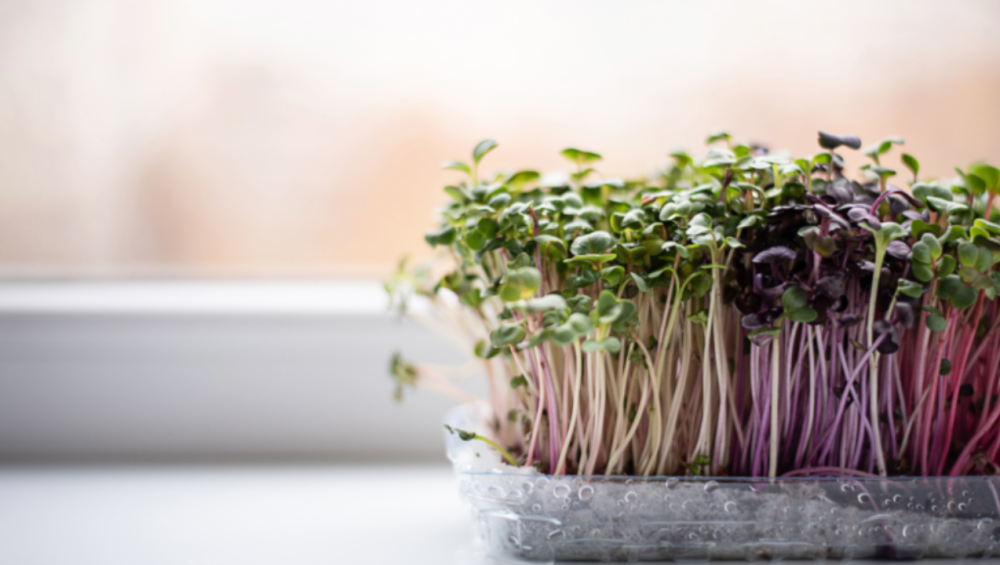
Microgreens are the tiny greens you may have seen on your plate in fancy restaurants. Here’s why I love them:

  • They are nutrient-dense
  • Packed with various micronutrients – vitamins C and K
  • Can contain up to 40 times more mineral concentration than mature vegetables
  • Contain phytochemicals which promote liver health by supporting its detoxification pathways
  • Rich in antioxidants and phytonutrients
  • Have a high nutritional value
  • Contain sulforaphane, which promotes estrogen metabolism

Eating a handful of microgreens daily is a simple yet effective way to keep your liver healthy. Do it daily! 

Drink water

This sounds obvious, right? I hope so! But, staying hydrated is essential for proper liver function and detoxification. It’s important to note that your water intake will vary depending on your exercise level. Dehydration can limit your liver’s ability to do its job. This means it has to work harder to detoxify excess estrogens and other toxins. You’ve probably heard that you are supposed to drink at least eight glasses of water a day? Well, it’s true. Doing so helps flush out toxins, promote digestion, and maintain a healthy weight. Now, more importantly – and this is the MOST important factor – please ditch bottled water for the love of God. There are too many trace endocrine-disrupting chemicals to name! Drink filtered water always in all ways. I love my alkalized, antioxidant Kangen water.

Eat protein

Protein creates hormones! Consuming an adequate amount of protein each day is vital. Include healthy protein sources such as:

  • Chicken
  • Turkey
  • Fish
  • Eggs
  • Plant-based sources like:
    • Legumes
    • Nuts
    • Seeds

High-quality protein sources help maintain a balanced hormone level. They also support healthy liver function. For reference, a 150-pound, active female patient of mine needs around 80-100g of protein/day. Of course this depends on her activity level. Your liver needs adequate protein to support a healthy metabolism. Try to do those three habits daily. Now, try to do the following habits three to four times a week.

Break a sweat exercising

Physical activity helps balance hormones, making it essential to any hormone-balancing routine. Regular exercise helps reduce cortisol levels and circulate estrogen levels. This combination promotes detoxification, leading to estrogen dominance relief. Moving encourages lymphatic flow (detox!). Sweating will further reduce the load on the liver. Aim for 15-20-minute sessions of burst training or power yoga.

Take a hot bath

Take a hot bath or sauna. For the same reason, we want to break a sweat exercising but also with the added benefit of decreasing cortisol. And, increasing serotonin (GREAT for us Adrenal Fatigue Fighters). Hormonal imbalances can cause muscle tension and lead to sleep disturbances. This, of course, can impact your general health. A warm bath also:

  • Helps relieve muscle tension
  • Reduces stress
  • Promotes better sleep

Eat a raw, grated carrot salad

Raw carrots are a great source of indigestible fibre. They prevent estrogen reabsorption from the gut. This takes a massive load off of the liver and supports proper metabolism. They are rich in fibre, vitamin C, and antioxidants, which support liver function. And here’s something unique, unlike other cooked vegetables: raw carrots contain compounds that improve estrogen metabolism, leading to normal estrogen levels. Try adding a small raw grated carrot salad to your meals several times weekly! See if your hormones don’t thank you!

Symptoms of Estrogen Dominance

I used to feel terrible due to my estrogen dominance, but gradually, I learned how to manage my hormones naturally. With a combination of these six habits, I saw a significant decrease in my estrogen dominance symptoms. They work together to help your liver package up excess estrogen and remove it from your body! If you have any of the following symptoms, try implementing these six habits into your week. 

  • PMS
  • Heavy cycles
  • Irritability
  • Weight gain
  • Mood swings
  • No libido, etc.

To wrap it up 

  • Consume microgreens daily 
  • Drink water daily 
  • Eat healthy protein sources daily 
  • Break a sweat exercising a few times a week 
  • Take a hot bath a few times a week 
  • Eat a raw grated carrot salad a few times a week 

Everyone’s body requires different care. I encourage you to try these six habits and DM me when you FEEL the difference! 

eatCategoriesHormones Nutrition

Do the Foods You Eat Make Your Hormones Happy?

We all have that one food that we can never resist, no matter what. For some, it’s pizza (ME), while for others, it’s ice cream. I’ll be honest – I grew up in New Jersey eating bread, pasta, and yep – pizza. Those foods still comfort me to this day, but if I’m honest, I feel like crap later! As we grow older, we realize being able to eat whatever we want, whenever we want is not all it’s cracked up to be. The things we once loved to indulge in now make us feel bloated, fatigued, and even anxious. Foods that make you feel good when eating them but then leave you feeling crappy make your hormones SAD. This is especially true for women who have hormone issues. Our hormones play a crucial role in how we feel emotionally and physically. This makes it essential to understand which foods make our bodies and hormones HAPPY. In this blog post, we’ll dive into the foods that make you feel good and also improve your hormones.

Foods that make your hormones sad

  • Food stored in plastic
  • Processed food
  • Produce sprayed with pesticides
  • Foods low in fiber
  • Foods low in good-quality fat (cooked in healthy oils)
  • Foods that contain artificial preservatives (like MSG)
  • Foods that contain artificial colors and flavors
  • Meat and poultry that contain antibiotics

Let’s dive into the why. 

Food stored in plastic or processed food

We all have been guilty of opting for packaged and processed foods. So convenient. Most processed foods contain harmful chemicals though. These are preservatives, artificial colors, and flavors. These can affect our hormones. The chemicals in plastic packaging act as hormone disruptors. When these make their way into the food we consume, it affects us in the long term. It’s always better to go for fresh and whole food options. These are free from harmful chemicals.

Produce sprayed with pesticides

Most of us don’t realize; even the fruits and veggies we eat may contain harmful pesticides. These affect our hormones! Eating pesticide-laden produce could result in:

  • Disrupted menstrual cycles
  • Weight gain
  • Even infertility

So what can you do? Switch to organic produce, wash your fruits and vegetables and incorporate probiotics into your diet. Doing so can help mitigate the damage caused by pesticides.

Foods low in fibre

Fiber is essential for optimal health, especially gut health, digestion and hormone balance. Eating a high-fiber diet consisting of fruits, vegetables, and whole grains can help regulate hormones. Fiber also helps:

  • Controlling weight gain
  • Inflammation markers
  • Reduce the risk of developing chronic diseases
  • Keep you satiated for longer, ensuring you don’t indulge in foods that make your hormones sad

Foods low in good-quality fat

Fats are an essential macronutrient. We need to incorporate healthy sources of fats into our diet for hormone balance. Healthy fats play a crucial role in:

  • Producing hormones in our bodies
  • Reducing inflammation
  • Keeping our hearts healthy

Incorporating avocados, nuts, seeds, and fatty fish into your diet can help regulate hormones. And keep them happy!

Foods that contain artificial preservatives

Artificial preservatives are commonly found in fast food, processed food, and even some canned products. These preservatives act as hormone disruptors, leading to issues like:

  • Weight gain
  • Thyroid dysfunction
  • Imbalanced sex hormones

A simple solution is to read the labels while you shop. Opt for food items that are free from preservatives, and stick to whole food options that are rich in vitamins and minerals.

What foods make your hormones HAPPY? 

Foods that make you feel good when you are eating them, improve your mood, give you energy, and sustain you through the day are the ones that make your hormones sing “Joy to the World.” Choose foods like:

  • Organic fruits and vegetables (especially berries!)
  • Non-GMO, wild-caught fish, and free-range beef and poultry
  • Nuts and seeds
  • Healthy oils (avocado is my fave for baking and EVOO for salad dressings)
  • Cage-free, organic eggs
  • Non-GMO protein powders (grass-fed or plant-based)
  • Dark chocolate (hallelujah!)
  • High-fiber foods

Focus on eating a balanced variety of foods like the ones mentioned above. Seek out those rich in nutrients and free from harmful chemicals. A good rule of thumb is to stick with whole foods, prepare your meals from scratch, and incorporate healthy sources of fats into your diet. Try to eliminate or reduce foods that contain preservatives, artificial colours, and flavours. It’s essential to remember that what we eat has a direct impact on how we feel emotionally and physically. Choose wisely!

beautyCategoriesEndocrine Disruptors Hormones

Why Clean Beauty Should Be Your Next Obsession

Clean beauty is all the rage and let me tell you, I’m here for it! Do you have hormonal imbalances? I’m sure you’ve explored a range of solutions to address it. From medication to diet changes, it’s easy to lose sight of the potential impact, even with something as insignificant as using conventional beauty products. But is it insignificant? Maybe not! Wouldn’t it be great if you knew that your daily makeup routine wasn’t working against your body’s natural processes? Enter clean beauty! Clean beauty encourages conscious consumerism and health that I am 100% FOR.

Hormone Imbalances

First, let’s talk about why hormone imbalances happen in the first place. Our endocrine system produces hormones. These are responsible for regulating everything from metabolism to our reproductive system. But, chemicals found in conventional beauty products can mimic these hormones. This confuses our bodies and interferes with natural processes. Parabens, phthalates, and bisphenols, widely found in beauty products, are all estrogen-mimicking chemicals. These all lead to imbalances.

Risks of Heavy Metals

On top of these risks, the beauty industry is loosely regulated. This means companies can sneak in ingredients that are harmful to our health. For example, heavy metals like lead and aluminum can be in beauty products. When these ingredients accumulate in your body over time, they can cause detrimental health issues. Maybe without you even realizing it! With no government regulation, it’s up to YOU to take control of the products you put on your skin.

Long-term Benefits

The most significant benefit of switching to clean beauty is the impact long term on your health. You’ll be reducing your body’s exposure to toxins. What better reason to go clean? In the long run this could mean:

  • Fewer headaches
  • Healthier hair
  • Healthier skin
  • Healthier nails
  • Most importantly – fewer hormonal imbalances, swelling, irritations, or allergic reactions.

Eco-Friendly

As if looking out for our health wasn’t reason enough to switch to clean beauty, there’s more. It’s worth noting that eco-friendliness is also a significant factor in this movement. By purchasing beauty products consciously, you help! You can reduce your overall environmental impact. That’s a win for everyone. Sustainable, clean beauty brands:

  • Source their ingredients responsibly
  • Use recyclable and biodegradable packaging
  • Avoid environmentally damaging ingredients like petroleum and palm oil

Accessibility

Clean beauty is becoming increasingly accessible and affordable. Meaning, there are many ways to switch without breaking the bank. Try ingredient-conscious drugstore brands if you need to when starting out. Find what works for you! But let’s face it – when you consider the potential benefits to your health, the price tag seems insignificant. Check out the evidence-based research.

My go-tos for clean beauty

  1. Glo Skin Beauty Vit-C Moisturizing tint in 5W
  2. Tartlette mascara
  3. 100% Pure Cosmetics lip and cheek tint in cranberry
  4. Tarte Glow Wand in dream
  5. Glo Skin Beauty cream blush in First Love
  6. Tarte Marajuca Glossy Lip Oil

Don’t forget to explore more of my blog posts and reach out if you have any questions!

bottledCategoriesEndocrine Disruptors Hormones

The truth: Why bottled water is bad

Here’s the truth: bottled water is BAD. Did you know that something as simple as drinking bottled water could be detrimental to your hormonal health? As a woman who has suffered from Adrenal Fatigue, I know firsthand the importance of balancing hormones and detoxifying the body. And one of the first steps that I took towards healing was ditching bottled water. Why? Because of liver and kidney toxicity, because it contains endocrine disruptors, because it is contaminated, and because it even holds trace amounts of heavy metals. Bottom line – the #1 reason I hate bottled water is that studies show that even water bottles marked BPA-free are loaded with endocrine disrupting chemicals that have enough “estrogenic activity” to complicate fertility, pregnancy, and overall hormonal health in women AND men. Evidence-based research here.

What the bottled water industry DOESN’T want you to know 

For them it’s not about hydration – it’s about marketing and money. They make money while you’re ingesting microplastics, hormone disruptors, and toxins. The minute I limited my bottled water drinking to airport travel and stuck to electrically reduced water from my medical-grade ionizer, my hormones got really happy. Let’s dive deeper. 

  1. Firstly, bottled water can cause liver and kidney toxicity. BPA, other plastic chemicals, and heavy metals are commonly found in bottled water and can burden the liver and kidneys. This reduces their ability to properly detoxify and filter the blood, leading to a buildup of toxins in your body. If you suffer from adrenal fatigue or hormonal imbalances, this can cause undue stress on your already overworked system. 
  2. Secondly, endocrine disruptors are another problem. Even those labeled “BPA-free” are loaded with chemicals that have enough “estrogenic activity” to complicate fertility, pregnancy, and overall hormonal health in women and men as I mentioned above. These endocrine disruptors can wreak havoc on our bodies and disrupt our delicate hormonal balance. 
  3. Thirdly, bottled water can be contaminated. In the past, we only heard about water-borne diseases in third-world countries. But nowadays, you can be drinking contaminated water from the comfort of your own home. “Cryptosporidium” is a parasite that can be found in store-bought bottles of water and can cause chronic or severe illness and even life-threatening symptoms in people with weakened immune systems. 
  4. Fourthly, bottled water can contain trace amounts of heavy metals. Antimony is a trace metal. It’s used in the creation of plastic water bottles and has been linked to heart, lung, and gastrointestinal diseases, as well as certain forms of cancer. These trace amounts may seem insignificant, but when added up over time, they can cause serious harm to our bodies.

Does the water you are attempting to rehydrate with matter?

Yes! Aldosterone is a hormone. It’s produced by the adrenal glands spikes during dehydration and chronic stress, causing you to retain water and increase your blood pressure (due to losing potassium and retaining sodium). When I started researching the store-bought alkaline water I was drinking and discovered all I’ve been drinking is water with added chemicals to increase the pH so the manufacturer can call it “alkaline” (genius marketing scam) I was mortified. This led me down a long road of researching water ionizers. I found one that is medical-grade (important to me!) and produces TRUE ionized alkaline water (by electrolysis!). 

What’s the solution? 

The answer is simple – invest in an at-home water ionizer. The one I use in my home produces living, alkalized water and has free-radical fighting and antioxidant power. This is the type of water I want for myself and my family. Not only does alkalized water help detoxify the body, but it can also balance hormones and improve overall health. Don’t forget to explore more of my blog posts and reach out if you have any questions!