nsulinCategoriesHormones

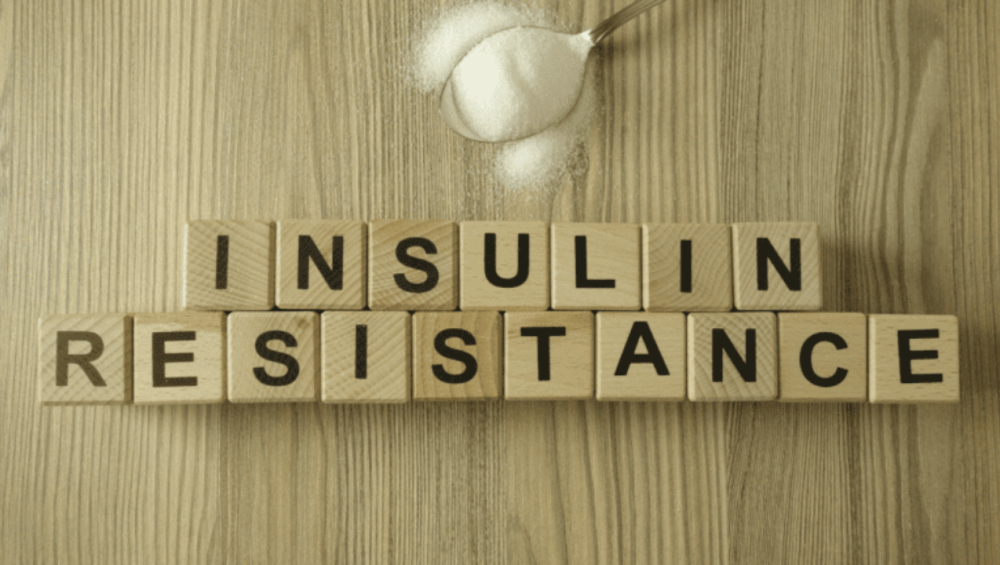
Should you get your insulin checked? Yes if you’re over 30!

For the longest time, I was under the impression that worries about insulin were reserved exclusively for those diagnosed with diabetes. That belief held strong until my experience after my daughter’s birth drastically changed my outlook. Today, I want to share my story, the impact of insulin on our health, especially for women over 30 navigating the phases of perimenopause and menopause, and importantly, how it’s all manageable. Let’s dive in. 

What is insulin?

Insulin is a hormone that plays a crucial role in managing your body’s metabolism. It is produced by the pancreas, specifically by the beta cells of the pancreatic islets. The primary function of insulin is to regulate the level of glucose (sugar) in the bloodstream. It helps keep blood glucose levels within a normal range by signaling cells to take in glucose from the blood. This process lowers the blood glucose level and provides cells with the glucose they need for energy.

Here’s a breakdown of its key roles:

  • Glucose Regulation: When you eat, carbohydrates in food are broken down into glucose, which enters the bloodstream. This increase in blood glucose levels triggers the pancreas to release insulin. Insulin then facilitates the uptake of glucose by the body’s cells to be used as energy or stored for future use.
  • Energy Storage: Insulin not only helps cells absorb glucose but also plays a role in storing it for future energy needs. In the liver and muscle cells, it promotes the conversion of glucose into glycogen, a storage form of glucose. When blood glucose levels are low, glycogen can be converted back into glucose.
  • Fat Storage and Utilization: Insulin also affects fat metabolism. It promotes the synthesis of fats from glucose and inhibits the breakdown of stored fat. Essentially, when insulin levels are high, the body tends to store fat rather than use it for energy.

Insulin and diabetes 

In individuals with diabetes, the body’s ability to produce or respond to insulin is impaired, leading to elevated levels of blood glucose. Type 1 diabetes is characterized by the body’s inability to produce insulin due to the autoimmune destruction of the insulin-producing beta cells in the pancreas. Type 2 diabetes, on the other hand, is marked by the body’s resistance to insulin and often a gradual decrease in insulin production over time. Managing blood glucose levels in diabetes often requires the administration of insulin (for Type 1 diabetes and some cases of Type 2), dietary adjustments, and lifestyle changes to ensure blood sugar levels remain within a healthy range.

Why get insulin checked if you’re over 30? 

  • Early Detection of Diabetes: Both Type 1 and Type 2 diabetes involve insulin imbalances. While Type 1 diabetes is less common and generally diagnosed earlier in life, Type 2 diabetes risk increases with age. Early detection through insulin and blood glucose testing can lead to better management and prevention of complications.
  • Identifying Prediabetes: Prediabetes, where blood sugar levels are higher than normal but not high enough to be classified as diabetes, often shows no symptoms. Checking insulin levels can help identify prediabetes, which can then be managed through lifestyle changes to prevent progression to Type 2 diabetes.
  • Monitoring Insulin Resistance: Insulin resistance increases with age and is a precursor to Type 2 diabetes. It occurs when cells in muscles, fat, and the liver start resisting or ignoring the signal that insulin sends out to grab glucose from the bloodstream. Early detection of insulin resistance can be crucial in implementing dietary and lifestyle interventions to reduce its impact. 
  • Weight Management: High levels of insulin can make weight management more challenging since insulin promotes the storage of fat. Understanding one’s insulin sensitivity can assist in tailoring diet and exercise plans to manage or lose weight effectively.
  • Heart Health: There’s a link between insulin resistance and an increased risk of cardiovascular disease. Insulin resistance can lead to higher levels of glucose and fats in the blood, raising the risk for heart conditions.
  • Polycystic Ovary Syndrome (PCOS): For women, checking insulin can be important if symptoms of PCOS are present. PCOS is often associated with insulin resistance and can impact menstrual cycles, fertility, and increase the risk of diabetes.
  • Comprehensive Health Check-up: After the age of 30, it’s a good practice to undergo regular comprehensive health check-ups, including screening for potential metabolic syndromes which involve insulin resistance.
  •  

Are you at risk for insulin resistance?

Factors contributing to insulin resistance:

  • Obesity: Particularly excess fat in the abdominal area.
  • Sedentary Lifestyle: Lack of physical activity can worsen insulin resistance.
  • Diet: A diet high in sugars, refined carbohydrates, and processed foods can increase the risk.
  • Age: The risk increases as you get older.
  • Sleep Issues: Poor sleep or sleep disorders can contribute to the development of insulin resistance.
  • Genetics: There may be a genetic predisposition to insulin resistance.
  •  

How to combat insulin resistance 

Managing and reducing insulin resistance involves lifestyle changes such as adopting a healthy diet rich in fiber and low in refined sugars, increasing physical activity, losing weight, especially around the waist, and getting adequate sleep. Medications may also be prescribed by healthcare professionals to help manage blood sugar levels. Early detection and management of insulin resistance can significantly reduce the risk of Type 2 diabetes and other associated health conditions.

My personal journey 

Shortly after having my daughter, when my milk supply started to decline, a lactation consultant recommended snacking on peanut butter and crackers throughout the day. Needless to say, I followed those instructions with a bit of too much enthusiasm but without the necessary physical activity. The truth hit hard when I realized the glucose from my hearty snacking was being stored as fat around my midsection due to low activity levels. Back then, little did I know, I was ticking off all the boxes for insulin resistance symptoms without realizing it.

Symptoms of insulin resistance I experienced:

  1. Weight-loss resistance
  2. Constant hunger
  3. Feeling exhausted all the time
  4. Brain fog
  5. Trouble sleeping
  6. Increased belly fat
  7. Tingling sensations in my hands and feet

Where to start measuring insulin

The best initial step in understanding your insulin levels is to look at your A1C, which provides an average blood sugar level over the past three months. Additionally, reviewing your fasting glucose and fasting insulin levels can offer more insight into your current state. In the realm of functional medicine, signs of insulin resistance start to show once your HbA1C exceeds 5.2. This was a critical piece of knowledge I wish I had understood sooner.

I healed! You can, too

Insulin resistance is entirely reversible through proper nutrition, supporting any deficiencies with supplements, and making lifestyle adjustments. For many, knowing where to start is the biggest hurdle. That’s why I developed “Daily Essentials for Hormone Balance,” a comprehensive guide designed to help you create a daily strategy focused on reducing inflammation, regaining insulin sensitivity, and balancing blood sugar.

Don’t forget to explore more of my blog posts and reach out if you have any questions.


The information provided in this blog post is for informational purposes only. The information is a result of years of practice and experience by Dr. Francesca LeBlanc. However, this information is NOT intended as a substitute for the advice provided by your physician. Do not use the information provided in this post for diagnosing or treating a health problem or disease, or prescribing medication or other treatment. Always speak with your physician or other healthcare professional before taking any medication or nutritional, herbal or homeopathic supplement, or using any treatment for a health problem. Please, do not disregard professional medical advice or delay in seeking professional advice because of something you have read on this website.
sleepCategoriesHormones

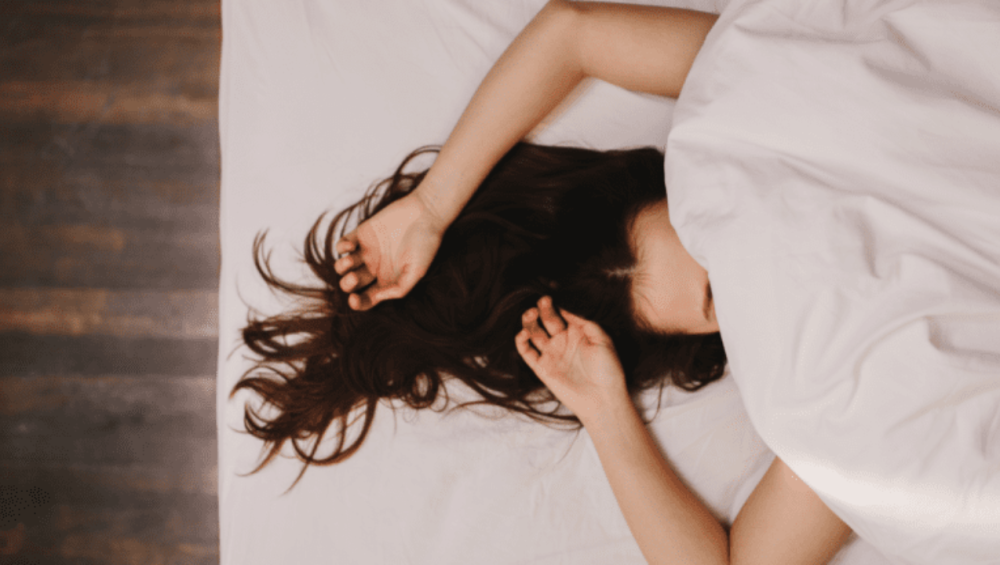
Why you can’t sleep + what to do about it

Does a coveted good night’s sleep sometimes feel like an elusive dream? Tossing and turning through the night, the frustration of poor sleep is an all-too-familiar feeling for many women I see. It’s not just about the grogginess or the struggle to stay awake the next day; it’s the deeper, ongoing battle that can take a toll on both mental and physical health. Who can function on no sleep?! So what can you do? Consider how hormone imbalances might be playing a part! Here are my top 10 tips for getting that good sleep – keeping your hormones in mind. 

Begin and end each day with three rounds of box breathing

Manage stress and intentionally regulate your nervous system with polyvagal toning exercises and/or breathwork within an hour of going to bed. With your right hand on your heart and your left hand on your belly – inhale for four counts – hold for four counts – exhale for eight counts. Repeat two more times. Beginning and ending the day with engaging the vagus nerve and your parasympathetic nervous system will help you regulate your nervous and endocrine (hormone) systems. 

Create a nightly wind-down routine

One hour before bed I take my stress management supplements, make a cup of my turmeric tea and color in my coloring book. This has improved the quality of my sleep ten-fold. I call it my nightly wind-down routine. This aids in falling asleep by signaling to my brain that it’s time to shift from the day’s activities to rest, effectively reducing my stress and anxiety levels which inhibit sleep. By engaging in relaxing activities and minimizing exposure to stimulating screens and environments, my body begins to activate its natural relaxation responses, easing into a state conducive to sleep. This regular pre-sleep ritual also reinforces my body’s internal clock or circadian rhythm, improving my overall sleep quality and making it easier to fall asleep consistently each night.

STOP eating like a bird all day (and then having a big meal for dinner)

In order to have good quality sleep you need stable blood sugar. So many of the patients that begin working with me “backload” their kCals because they are either too stressed all day and don’t have an appetite, too busy and forget to eat, or are trying to cut kCals and don’t eat enough protein + fat + fiber consistently to keep their blood sugar stable. When blood sugar levels drop too low (hypoglycemia), it can trigger the release of hormones such as adrenaline and cortisol, which are designed to increase blood sugar but also stimulate the body, making it harder to fall asleep or causing you to wake up during the night. On the other hand, maintaining stable blood sugar levels through balanced meals and snacks helps prevent these disruptive hormonal spikes, promoting a smoother transition to sleep and improving your quality of rest.

STOP going to bed at different times every night and allowing yourself to scroll 

Blue light emitted from your device is not only stimulating, which signals the adrenal glands to produce your stress hormone cortisol, but social media itself is not an effective way to “wind down” to support the quality of your sleep and your circadian rhythm. Implement your own wind down routine! Plus, going to bed at the same time each night helps regulate your body’s internal clock. Can’t sleep? Stop scrolling!

Get outside first thing in the morning

My circadian rhythm becomes “off” and my sleep suffers when I don’t get outside. This makes sense because in a 2020 study, the group that did not get daily sun exposure needed to supplement with Vitamin D for better sleep quality when compared to the group who got at least thirty minutes of daily sun (PMID: 32144371). I downloaded the Dminder app to track my conversion of Vitamin D from the sun in conjunction with my Vitamin D supplementation. I find this app fascinating and it’s free!  Don’t forget that Vitamin D is a hormone! And we not only need adequate levels to sleep well but also to produce adequate levels of other hormones. Women in my practice typically do well when their Vitamin D is between 30 and 50 ng/mL. I recommend checking your Vitamin D (simple serum test) four times/year and twice/year (end of summer and end of winter) at the very least. 

Don’t drink alcohol or caffeine late in the day

Okay I feel like this should be a no-brainer but it’s not! Caffeine is a stimulant, right? It fires up your central nervous system, making you feel more awake and alert. That’s great for the morning rush or a mid-afternoon slump, but not so much when you’re trying to wind down. The thing is, caffeine can linger in your body for hours — typically, it takes about 5 to 6 hours for just half of the caffeine you consumed to be eliminated from your body. So, if you’re sipping on coffee or anything caffeinated late afternoon or evening, it’s still kicking around in your system come bedtime, keeping your brain on high alert when you’re trying to power down. 

Minimize alcohol consumption

Alcohol might help you fall asleep faster, it’s true. But, as it’s metabolized through the night, it disrupts your sleep cycle, particularly the REM stage, which is needed for restorative sleep. So while it can help you fall asleep, it actually prohibits that deep sleep you actually need later in the night. 

Wear blue light blocking glasses before bed

Put on a pair of “junk-light-blocking glasses” when the sun sets and wear them until you go to bed. These things will help filter out blue light from screens and artificial lighting (your tv, phone, computer, etc). Why is blue light bad? It suppresses the production of the hormone melatonin. Melatonin helps to make you feel sleepy. By wearing these glasses, you reduce your exposure to blue light, thereby helping your body ramp up melatonin production at the right time, making it easier to fall asleep. *FYI: My current faves are the “nightfall aviators” from Block Blue Light.

Take Reacted Magnesium in the evening 

Take Reacted Magnesium to support circadian rhythm and help your goal of prioritizing sleep because it has:

  1. Magnesium Malate – great for muscle aches, pains and Fibromyalgia
  2. Magnesium Citrate – it preserves the gut and relieves constipation
  3. Magnesium Glycinate – this calming form of magnesium is great for improving sleep, and reducing anxiety and depression

Reacted Magnesium is available in my dispensary from StanStore

Take a 10-15 min minute walk after your largest meal

Whatever is your biggest meal of the day, take a walk after! I usually sleep better after eating a light dinner, but in the summer since it stays lighter longer I can sneak out for a walk in the evenings. Walking is going to improve glucose utilization and help you reverse insulin resistance. Insulin resistance can make it harder to fall asleep due to its impact on blood sugar levels and the body’s hormonal balance. When the body becomes resistant to insulin, it struggles to efficiently use glucose for energy, leading to higher blood sugar levels. This imbalance can cause fluctuations in energy and mood, as well as trigger the release of stress hormones like cortisol, which can increase alertness and make it difficult to relax and fall asleep. I hope you incorporate one or all of these tips to help you get a better night of sleep!

Don’t forget to explore more of my blog posts and reach out if you have any questions.


The information provided in this blog post is for informational purposes only. The information is a result of years of practice and experience by Dr. Francesca LeBlanc. However, this information is NOT intended as a substitute for the advice provided by your physician. Do not use the information provided in this post for diagnosing or treating a health problem or disease, or prescribing medication or other treatment. Always speak with your physician or other healthcare professional before taking any medication or nutritional, herbal or homeopathic supplement, or using any treatment for a health problem. Please, do not disregard professional medical advice or delay in seeking professional advice because of something you have read on this website.

hbotCategoriesHormones

Can Hyperbaric Oxygen Therapy (HBOT) help hormones?

Ever since I went down the nervous system regulation RABBIT HOLE last summer, I decided to give hyperbaric oxygen therapy a try. Breath work was already a fave “go-to” self-regulation technique so why not? Little did I know how complementary HBOT would be to my genetic makeup and current phase of life? Oxygen has proved to be a useful tool in getting regulated while I process trauma. 

What is Hyperbaric Oxygen Therapy (HBOT)? 

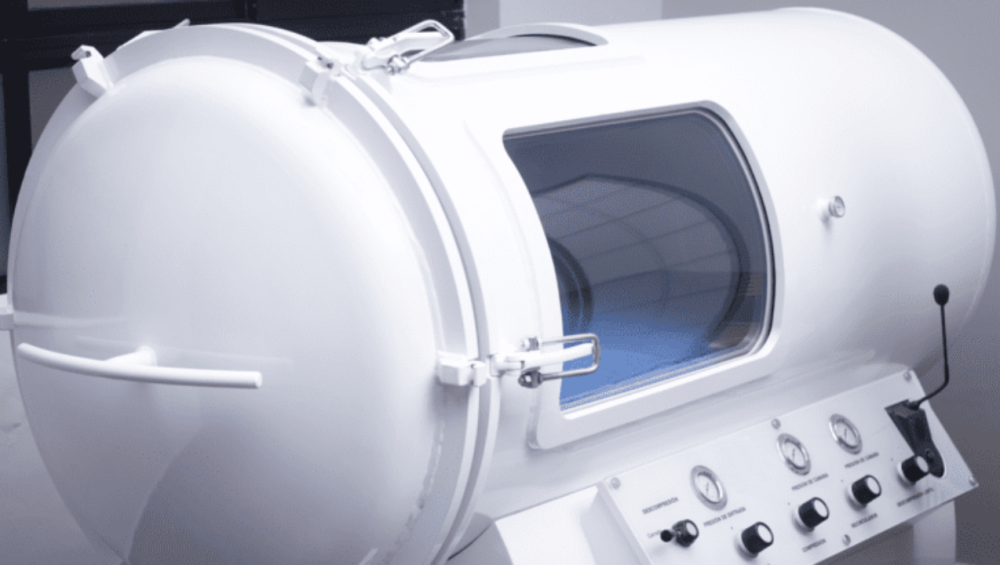
Hyperbaric oxygen therapy (HBOT) involves breathing pure oxygen in a pressurized room or chamber. This therapy is commonly used to accelerate the healing process for conditions such as carbon monoxide poisoning, non-healing wounds, and certain types of infections. By increasing the oxygen levels in the body under pressure, HBOT can enhance tissue repair and promote overall healing. But you can use it, too! 

How does HBOT work? 

Hyperbaric Oxygen Therapy (HBOT) is like giving your body a big hug with lots of oxygen. Imagine you are a superhero, and your body needs a special power boost to heal and feel better. HBOT puts you in a cozy, pressurized room where you get to breathe in super-duper oxygen. This extra oxygen helps your body heal faster. Just like how eating healthy food makes you grow big and strong, breathing more oxygen in HBOT helps your body heal faster and fight off sicknesses. So, in simple words, HBOT is like a special oxygen treat that helps your body heal and stay healthy by giving it a big dose of superhero oxygen power (LAUGH!). 

What would I use HBOT for? 

Here are some things us unregulated folks might use it for:

  1. Enhancing Recovery: HBOT may help speed up recovery after intense physical activities like workouts or sports by reducing muscle soreness and promoting tissue repair.
  2. Boosting Energy Levels: The extra oxygen intake during HBOT sessions can boost energy levels, helping combat fatigue and enhancing overall vitality.
  3. Improving Skin Health: HBOT has been linked to promoting collagen production, improving skin elasticity, and helping wounds or skin conditions heal. 
  4. Supporting Immune Function: By increasing oxygen levels in the body, HBOT can bolster the immune system. Who doesn’t want a better functioning immune system?!
  5. Relieving Stress and Anxiety: The calming environment of a hyperbaric chamber combined with increased oxygen levels = a more relaxed, less stressed you. 
  6. Promoting General Wellness: Regular HBOT sessions can contribute to overall well-being by supporting cellular health, reducing inflammation, and enhancing circulation.

What are some other benefits to HBOT? 

There’s evidence to support using HBOT in the treatment and prevention of injuries to the nervous system. (PMID: 33818447). Research has shown that HBOT can have beneficial effects in various scenarios related to nerve damage and protection. HBOT also reduces inflammation! (PMID: 38165200). HBOT has been found to have the additional benefit of reducing inflammation, which can be significant in various medical conditions. This anti-inflammatory effect adds to the therapeutic value of hyperbaric oxygen therapy.

Where can you try HBOT? 

You can look for a hyperbaric treatment center that focuses specifically on providing HBOT. These centers may offer a range of hyperbaric services and have dedicated staff trained in delivering hyperbaric treatments. Some clinics and wellness centers provide HBOT as part of their services for general health and wellness purposes. These facilities may offer HBOT in a spa-like setting tailored for relaxation and rejuvenation. See if your physician offers this service! HBOT might be expensive, so if your physician doesn’t offer it and you can’t afford it, check out these FREE nervous system regulation strategies to do instead.  Before scheduling HBOT, it’s crucial to consult with YOUR healthcare provider. Unless you’ve seen me in person, it ain’t me. 

Don’t forget to explore more of my blog posts and reach out if you have any questions.


The information provided in this blog post is for informational purposes only. The information is a result of years of practice and experience by Dr. Francesca LeBlanc. However, this information is NOT intended as a substitute for the advice provided by your physician. Do not use the information provided in this post for diagnosing or treating a health problem or disease, or prescribing medication or other treatment. Always speak with your physician or other healthcare professional before taking any medication or nutritional, herbal or homeopathic supplement, or using any treatment for a health problem. Please, do not disregard professional medical advice or delay in seeking professional advice because of something you have read on this website.

imabalaceCategoriesHormones

Hormone Imbalances + Micronutrient Deficiencies

When hormone imbalance symptoms and micronutrient deficiency symptoms MEET… Ask your doctor to run a micronutrient deficiency panel so you can test-not-guess the root cause of your symptoms. What’s a micronutrient deficiency panel? Basically, a test that measures the levels of essential vitamins and minerals in your body. This panel includes tests for various micronutrients such as vitamins (like vitamin D and vitamin B12) and minerals (like iron, zinc, and magnesium). The results from this panel can help your healthcare provider identify any deficiencies or imbalances. Then, you can determine the best plan of action to take moving forward (maybe you need to supplement?). Below is a quick hit-list of common micronutrient deficiencies. All supplements are currently available from my dispensary button in my StanStore

A Common Micronutrient Deficiency – B-9 & B-12

This one is personal! I spent YEARS bouncing between doctors – everyone said “You’re fine.” And then I started working with a functional medicine practitioner. After getting diagnosed with Adrenal Dysfunction and Excess Estrogen my doctor made specific lifestyle and dietary modifications (along with the glorious supplementation of DIM, TMG NAC, Methyl-B12 & Reishi) and I slowly regained my health. B9 and B12 popular micronutrient deficiencies. They can occur due to factors like:

  • Inadequate dietary intake of folate-rich foods (common in vegans and vegetarians)
  • Malabsorption issues (such as pernicious anemia or gastrointestinal surgeries)
  • Certain medications that interfere with B12 absorption
  • Conditions affecting the stomach or intestines
  • Pregnancy-related increased folate demands
  • Certain medications like anticonvulsants that deplete folate levels

If this is you, supplement with Seeking Health Methyl B12 with L-methylfolate, Active B12, or L-methylfolate.

Iron

Iron is also a popular micronutrient deficiency. This can occur for a lot of reasons, too including:

  • Inadequate dietary intake of iron-rich foods like red meat, poultry, fish, and leafy green vegetables
  • Conditions that affect iron absorption like celiac disease or gastrointestinal surgeries
  • Increased iron requirements during pregnancy or growth periods
  • Chronic blood loss from conditions like ulcers or heavy menstrual bleeding
  • Certain chronic illnesses that interfere with iron metabolism

If this is you, try to supplement with Thorne Iron Bisglycinate. All in all, genetically, my body vibes really well with a diet that includes animal protein like grassfed beef, but I completely understand the cultural predicament this presents for people who follow a vegan diet for philosophical reasons. Heme-iron from beef and organ meat is highly absorbable and helps us fight fatigue by building new red blood cells (critical during our menstrual cycle, gals).

Magnesium

Women over 30 are (likely) not meeting their daily requirement for Magnesium and Vitamin D no matter what they eat or how much time is spent outdoors. Consistent supplementation with Mag and D are game changers for so many women over thirty who are struggling to balance their hormones. This is because magnesium is a co-factor for the production of hormones and Vitamin D is a hormone in and of itself. Ortho Molecular Reacted Mag + Seeking Health D3K2 are the ones that I personally take and recommend to my patients. 

Vit-D

More on Vitamin D. It is actually a hormone the kidneys produce that controls blood calcium concentration and impacts the immune system. Vit D is also known as calcitriol, ergocalciferol, calcidiol and cholecalciferol. Vitamin D is also mostly produced in the skin in response to sunlight. It is also absorbed from the food you eat. Truthfully, in a sunny state like Louisiana my patient’s diagnosis of Vitamin D deficiency baffled her since she spends a majority of her time outdoors. Underlying gastrointestinal (hello, leaky-gut!) and liver dysfunction greatly impact Vitamin D’s upregulation, integration and assimilation making it VERY POSSIBLE to be Vitamin D deficient while residing in a sunny state. Adequate Vitamin D slows the activity of the H-P-A axis, thereby reducing cortisol and decreasing your stress response. I’m huge proponent of getting OUTSIDE but I’m also realistic and check my own Vit-D levels when the seasons change to ensure I’m getting enough. I have to continually support my adrenal glands to keep my own stress response in check. 

Zinc

Zinc is required for the conversion of Thyroid Hormone T4 to T3. Zinc acts as an adaptogen by assisting the adrenals in managing excess Cortisol. Zinc assists in maintaining balance between estrogen and progesterone. You can supplement with either a high quality multivitamin that has around 10mg of Zinc in it or get more Zinc-rich foods like: meat, shellfish, chickpeas, pumpkin seeds and sesame seeds.  Also, thanks to a 2021 study we now know you can boost testosterone levels (and sexual function! holla!) with zinc supplementation. Have your doctor test your serum zinc and go from there! I’ve had patients supplement from 50 – 200mg depending on their needs. Everyone is different. Try Ortho Molecular Reacted Zinc.

Don’t forget to explore more of my blog posts and reach out if you have any questions.


The information provided in this blog post is for informational purposes only. The information is a result of years of practice and experience by Dr. Francesca LeBlanc. However, this information is NOT intended as a substitute for the advice provided by your physician. Do not use the information provided in this post for diagnosing or treating a health problem or disease, or prescribing medication or other treatment. Always speak with your physician or other healthcare professional before taking any medication or nutritional, herbal or homeopathic supplement, or using any treatment for a health problem. Please, do not disregard professional medical advice or delay in seeking professional advice because of something you have read on this website.
habitsCategoriesHormones

3 Transformative Habits for Hormone Balance

Hormonal imbalance can be a silent disruptor, often going undetected while it insidiously affects your wellbeing. For many women, the personal quest to find equilibrium is about much more than symptom management—it’s about reclaiming a sense of normalcy and vitality. Sleepless nights, acne, mood swings, low sex drive, low energy – the list goes on and on!

The key to “fixing” hormone health is not in quick fixes, but in creating lasting habits that not only bring noticeable change but forge lasting results. Wondering what the heck I’m talking about? Scroll my IG if you’re confused! 😉 Now, if you’re with me – in this post, we explore three strategies any woman can do!! Each habit is rooted in simplicity yet carries potent potential to transform your day-to-day life.

1. Stacking Your Magnesium (Mag)

Magnesium plays a significant role in over 300 enzymatic reactions in the body, including those that regulate your hormones. To harness its full potential, consider employing a tactic known as ‘Magnesium stacking’. This means incorporating several forms of Magnesium at different times in the day.

Start your morning with a variant of Magnesium such as MagTech, which combines Taurate, Glycinate, and Threonate—each offering unique benefits to the body. Taurate is often associated with cardio protective abilities, Glycinate for calming effects, and Threonate for cognitive function.

In the evening, wind down with a different blend, like Reacted Magnesium, which includes Malate, Citrate, and Glycinate. The combination of these forms may support energy production, healthy metabolism, and muscle function—benefits that play into better sleep and overnight rejuvenation.

*Both supplements are available in my dispensary for your convenience but always check with your doc before starting any new supplement regimen. This blog post isn’t medical advice. 

2. Making & Meeting a Morning Protein Goal

What you choose to eat for your morning meal sets the stage for your body’s metabolic process throughout the day. To maintain blood sugar balance and fend off afternoon fatigue and cravings, aim for a breakfast packed with 30-35 grams of protein. Preferably within an hour of waking up and BEFORE coffee.

Swap out sweet, carb-laden breakfasts for savory options that can include eggs, Greek yogurt, or a high-quality protein shake. This simple switch helps stabilize blood sugar levels from the morning onward, potentially easing the work of your hormones for the rest of the day. Curious how I personally get that much protein before my morning coffee? Check out this blog post for my secrets!

3. Regulating Your Nervous System

Cortisol, the stress hormone, when elevated, can wreak havoc on your overall hormonal landscape. Actively regulating your nervous system is a proactive way to manage stress and lower cortisol levels. One approach is to engage in Polyvagal toning exercises.

Polyvagal theory emphasizes the importance of the vagus nerve in emotion regulation and stress response. These practices might include deep breathing, social engagement, or cold exposure, depending on what resonates with you. And if meditation isn’t your thing, don’t worry—there are plenty of Polyvagal exercises to explore. Find one that fits into your life and feels right for you, then make it a habitual effort.


Each tweak suggested here is more than a temporary fix; it’s a step toward a stable, new norm where hormonal health is centered. Remember, as with any changes to your health regimen, it’s advised to consult with a healthcare provider.

By making these new practices a part of your daily routine, you may very well notice the shift in how you feel—because when hormones find their balance, so do you.

Note: The products and supplements mentioned in this blog are available in my dispensary and are merely suggestions. Please consult with your healthcare provider to determine what is best for your individual health needs. This is not medical advice. 

872643 6a47 e627 0213 211cda4ca08b Phantom smelling 1 768x402 1CategoriesHormones Perimenopause

Phantom Smells During Perimenopause and Menopause

Phantom Smells During Perimenopause and Menopause: What You Should Know

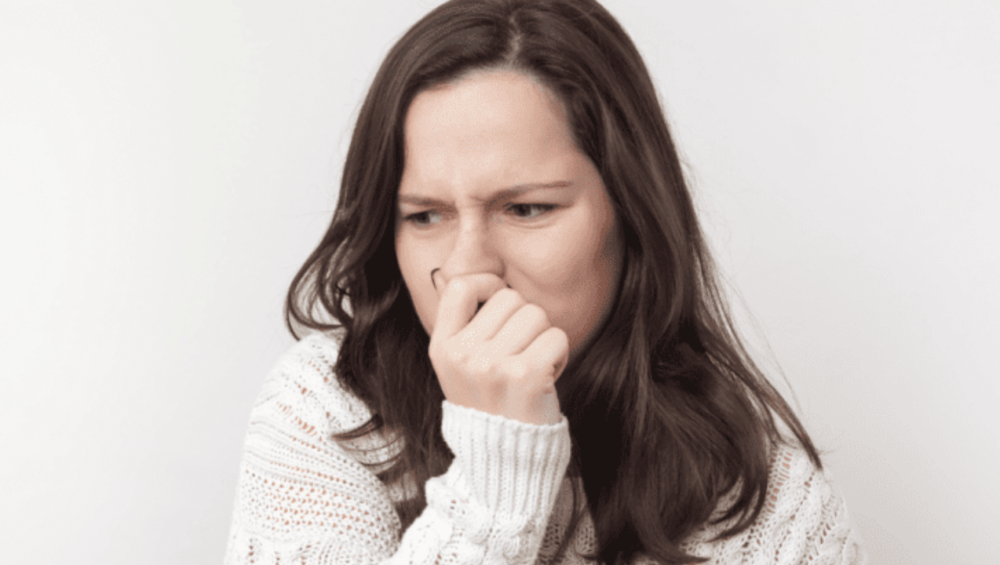
Have you ever smelled something burning, metallic, or even rotten, only to discover there’s nothing there? You’re not alone. This odd phenomenon is called phantosmia, a condition where people perceive smells that don’t actually exist. It can affect anyone. But, it’s surprisingly common in women going through perimenopause and menopause. Most women don’t associate changes in their sense of smell with hormonal shifts, but these changes can play a significant role. Here’s what you need to know about this condition, its possible causes, why it’s showing up during menopause, and what you can do about it.

What Is Phantosmia?

Phantosmia, also known as an “olfactory hallucination,” is the experience of smelling something that isn’t actually there. Unlike odors caused by external factors (like smoke, perfume, or garbage), it originates internally, within your olfactory system. Common phantom smells include:

  • Burning (such as smoke, toast, or burnt popcorn)
  • Metallic or chemical-like odors
  • Rotting or garbage-like scents
  • Ammonia or other strong, astringent smells

These phantom smells can occur in one or both nostrils and may happen sporadically or persist for hours. While the experience can be unsettling, it’s typically not cause for alarm.

Phantosmia and Perimenopause

For women in perimenopause and menopause, phantosmia is often the result of hormonal changes. Estrogen and progesterone, the two primary hormones that regulate the female reproductive system, also influence various sensory systems, including your sense of smell. When these hormone levels fluctuate during perimenopause, it can disrupt your olfactory receptors, causing phantom smells. Additionally:

  • Sensory sensitivity often increases during hormonal shifts, making women more prone to changes in smell perception.
  • Stress and fatigue, common during this stage of life, may also contribute to olfactory disruptions. 

Many women describe smelling smoke or burning toast, which can lead to unnecessary panic. However, rest assured, phantom smells are a harmless byproduct of hormonal fluctuations for most women.

Phantosmia Is NOT an Indicator of Stroke (Usually)

For years, a burning or smoky smell was often associated with warning signs of a stroke. However, this theory has been debunked. It is not a good indicator of stroke or a neurological emergency. That being said, it’s still wise to understand the real warning signs of a stroke, such as:

  • Sudden numbness or weakness in your face, arms, or legs
  • Sudden confusion, trouble speaking, or difficulty understanding speech
  • Sudden dizziness, loss of balance, or coordination issues
  • Severe, unexplained headache

If you experience any of these symptoms along with phantom smells, seek medical attention immediately.

Could Long COVID Be Causing Phantom Smells?

An interesting twist in the phantosmia conversation is its link to long COVID. For individuals who have had COVID-19, changes to their sense of smell have been well-documented. These changes range from anosmia (loss of smell) to parosmia (distorted smells) and, yes, phantosmia. While the exact mechanisms are still being studied, it’s believed that COVID-19 affects the olfactory nerves, which can cause phantom smells to linger long after recovery. If you’ve experienced COVID-19 and developed phantosmia, your hormonal fluctuations during menopause could further amplify these effects. The good news? For both long COVID and menopause-related phantosmia, the condition is usually temporary.

What You Can Do About Phantosmia

While phantosmia can be frustrating and sometimes alarming, there are steps you can take to manage it:

1. Rule Out Underlying Medical Causes

While phantosmia during menopause is typically related to hormonal changes, it can also result from other conditions, such as:

  • Sinus infections or allergies
  • Migraines
  • Neurological issues

If phantom smells persist or interfere significantly with your daily life, consult a healthcare provider to ensure there’s no underlying medical issue.

2. Treat Hormonal Imbalances

Since hormonal fluctuations are a significant contributor, addressing these shifts can help reduce phantosmia. Options include:

  • Supplements like vitamin D, magnesium, and omega-3s may support hormonal balance naturally.
  • Lifestyle changes, such as stress management, regular exercise, and a balanced diet, can help stabilize your hormones.
  • Testing and NOT guessing!

I can’t stress enough how crucial it is to test, not guess, when it comes to understanding your hormones. If you think you have phantosmia and then just simply take a Vitamin D supplement because of something you saw on TikTok – you’ll likely just end up feeling frustrated with the same symptoms and money down the drain. Who wants that?! Guessing is like throwing a dart blindfolded! That’s exactly why I created my at-home hormone testing kits. So you can get real results with REAL answers. These tests are simple to use, highly accurate, and allow you to get a clear snapshot of your unique hormone profile without stepping foot outside your home. Armed with real data, you can finally pinpoint what’s happening in your body and identify where you need to make changes.

3. Practice Stress Management

Stress increases cortisol levels, which can heighten sensory sensitivities and make phantom smells worse. Techniques such as deep breathing, meditation, or yoga can help manage stress and reduce the frequency of phantosmia episodes.

4. Stay Hydrated and Rested

Dehydration and fatigue are common culprits in sensory disruptions. Drinking plenty of water and ensuring you get adequate rest can prevent symptoms from worsening.

5. Neutralize Phantom Smells

If phantom smells become overwhelming, try these tips:

  • Use a saline nasal spray to clear out your nasal passages.
  • Carry a soothing essential oil, such as lavender or eucalyptus, to counteract unpleasant phantom smells.
  • Place a fan or air purifier near you for fresh air circulation.

It’s Normal, but Don’t Ignore It

Phantosmia can feel strange and unsettling, especially when it appears out of nowhere. It’s reassuring to know that for women in perimenopause and menopause, it’s most often a harmless side effect of hormonal changes or other conditions like sinus issues or long COVID. However, while the condition is rarely serious, it’s worth mentioning to your doctor. They’ll help rule out other causes and provide guidance on managing your symptoms more effectively.

Final Thoughts

Phantom smells may come as a surprise, but they’re more common than you think, particularly for women navigating the hormonal shifts of perimenopause and menopause. By staying informed, you can better understand your body and take practical, reassuring steps to address symptoms like phantosmia. If this topic resonates with you, share your story in the comments below or reach out to your healthcare provider for personalized insights. You’re not alone in this, and together, we can decode the fascinating changes that come with this stage of life. 


The information provided in this blog post is for informational purposes only. The information is a result of years of practice and experience by Dr. Francesca LeBlanc. However, this information is NOT intended as a substitute for the advice provided by your physician. Do not use the information provided in this post for diagnosing or treating a health problem or disease, or prescribing medication or other treatment. Always speak with your physician or other healthcare professional before taking any medication or nutritional, herbal or homeopathic supplement, or using any treatment for a health problem. Please, do not disregard professional medical advice or delay in seeking professional advice because of something you have read on this website.
bdb5de4 b31e 4441 decb cfe6c681f507 Is your laundry detergent making you fat 768x402 1CategoriesEndocrine Disruptors Hormones Weight Loss

Is detergent making you fat? Learn about Sodium Laureth Sulfate

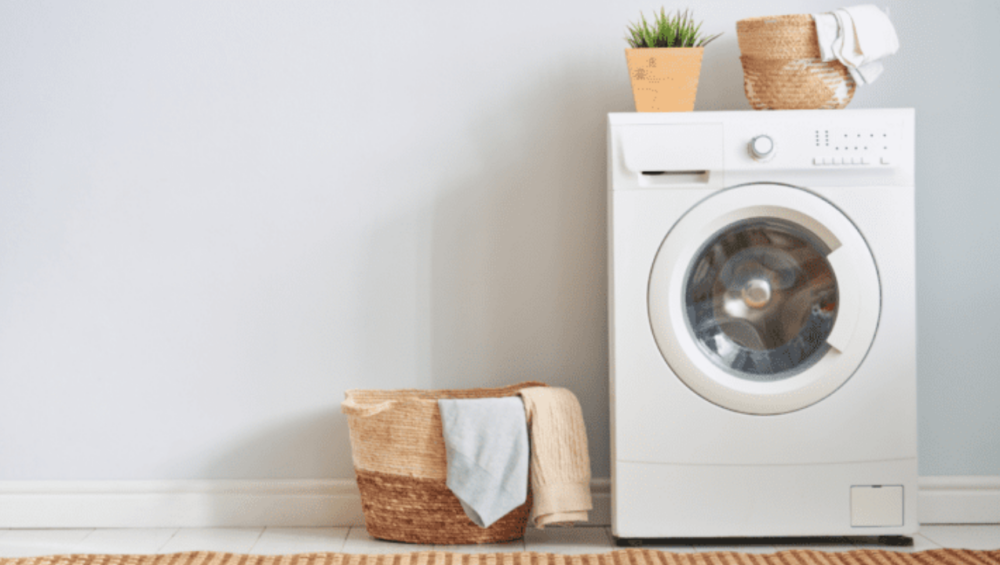
Three words: Sodium Laureth Sulfate (SLS). Struggling with unexplained weight gain during perimenopause? It might be time to take a closer look at what’s in your laundry room. Specifically, those innocent-looking bottles of laundry detergent could be sneaking harmful chemicals into your home, impacting hormone balance and contributing to weight gain.

This isn’t just about changing your detergent, though. It’s about reducing your overall toxic load and supporting your body’s natural systems during a time of hormonal shifts.

The Hidden Culprit in Your Laundry Detergent: Sodium Laureth Sulfate

Chances are, Sodium Laureth Sulfate is in your laundry detergent right now. Go grab the bottle (you might need your reading glasses too!) and look for it on the label. If it’s there, it’s time to learn why eliminating this ingredient could make a big difference in your overall health and well-being, especially as you approach menopause.

What is SLS (Sodium Laureth Sulfate)?

SLS is a cheap, widely used surfactant, meaning it’s responsible for creating many of the suds and foaming action in detergents, shampoos, and soaps. While it sounds benign enough, research has shown that SLS can have a far-reaching impact on the body.

The Endocrine System and Hormonal Imbalance

Your endocrine system regulates hormones throughout your body. But studies have found that Sodium Laureth Sulfate can disrupt this delicate system, as it mimics estrogen in your body, leading to an imbalance in hormone levels. For women in perimenopause, this effect can be particularly harmful, potentially exacerbating estrogen dominance. The result? A frustrating struggle with weight gain, mood swings, and other symptoms tied to hormone imbalance.

The Bigger Problem Behind Sodium Laureth Sulfate

Here’s where it gets even more concerning. While SLS on its own hasn’t been directly linked to cancer, that doesn’t mean it’s safe. When combined with 1,4-dioxane, a by-product that’s often found in detergents, it becomes even more harmful.

  • Toxic Load – Your liver, the organ responsible for detoxifying your body, struggles to metabolize 1,4-dioxane effectively. This leads to longer retention of toxins in your body, increasing the overall toxic burden on your system.
  • Absorption Risks – SLS is a penetration enhancer, meaning it can make its way into your bloodstream via your skin. Research from the University of Georgia Medicine found that SLS can permeate vital organs including the liver, brain, and heart.
  • Environmental Impact – It doesn’t stop at harming your health. SLS is also used as a pesticide and herbicide in organic farming and is a known water pollutant. Once it’s washed down the drain along with your laundry, it contributes to environmental damage, harming marine ecosystems.

Calling Out the Usual Suspects

You’ve likely heard of arguably one of the most popular laundry detergent brands (rhymes with ride). Its iconic scent may transport you back to your childhood, but those strong memories come with a hidden cost. Here’s why mainstream detergents are problematic:

  • SLS and Fragrance – “Fragrance” is an umbrella term for a cocktail of potentially thousands of synthetic chemicals, none of which need to be disclosed on labels.
  • Undisclosed Ingredients – Common household detergents have been found to contain 1,4-dioxane, a probable human carcinogen according to the EPA. Testing has shown that exposure can damage the liver and kidneys and has even caused tumors in animals. Shockingly, 1,4-dioxane isn’t listed in ingredient labels on most because it’s classified as a by-product. This legal loophole leaves consumers in the dark, unaware of the risks.

Back in 2012, independent testing revealed the presence of 1,4-dioxane in popular household products. Despite public outcry, harmful ingredients like these remain present in many conventional brands today.

What Can You Do?

Empowering yourself starts with reducing your exposure to hazardous chemicals. Start small by swapping out your current detergent for safer, more natural options.

Safer Laundry Solutions

Here are a few alternative options to try:

  • DIY Detergent – I’ve been using my Enagic K8, a water ionizer, to make my own detergent with strong alkaline water and essential oils. It’s simple, effective, and chemical-free!
  • Cleaner Brands
    • Branch Basics – a plant- and mineral-based solution that’s tough on stains but gentle on your body and the planet.
    • BioKleen – A no-nonsense detergent free of phosphates, chlorine, and other nasties.
    • Molly’s Suds – Safe for sensitive skin and formulated with just a handful of non-toxic ingredients.

Why Small Changes Matter

Switching your laundry detergent may seem like a minor adjustment, but it’s a significant step toward lowering your overall toxic load. Every small improvement adds up, especially during perimenopause when your body is working harder than ever to maintain balance.

Protect Your Wellness, One Load at a Time

The habits we don’t think twice about often have the greatest impact on our day-to-day lives. By being mindful of what’s in your laundry detergent, you’re taking control over a critical aspect of your health and setting yourself up for a smoother transition into menopause. Start small, dream big. And if switching to a new laundry detergent could make a difference in how you feel and function, why not give it a try?

Yours in health and harmony,

Dr. LeB


The information provided in this blog post is for informational purposes only. The information is a result of years of practice and experience by Dr. Francesca LeBlanc. However, this information is NOT intended as a substitute for the advice provided by your physician. Do not use the information provided in this post for diagnosing or treating a health problem or disease, or prescribing medication or other treatment. Always speak with your physician or other healthcare professional before taking any medication or nutritional, herbal or homeopathic supplement, or using any treatment for a health problem. Please, do not disregard professional medical advice or delay in seeking professional advice because of something you have read on this website.

03e407e e3dc 023e 255b bf22de8df5b1 Sweating Snapping Same 768x402 1CategoriesHormones Perimenopause

Sweating? Snapping? Same.

Summer can feel like a hormonal rollercoaster—and it’s not just the heat. From disrupted sleep and blood sugar swings to the extra stress of juggling travel, kids, and routines that went out the window in May, your body’s internal balance can take a serious hit. How to support hormone health in summer? We know symptoms like irritability, fatigue, bloating, and mood changes aren’t random—they’re signals. And when you layer in longer days, higher temps, and more inflammatory foods (hello, rosé + barbecue), your hormones may be waving a white flag. Let’s talk about how to cool the chaos—from cortisol to insulin to estrogen—so you can actually enjoy the season. If you’ve found yourself more bloated, moody, wired-but-tired, or one glass of wine away from a meltdown, you’re not alone. Summer can wreak havoc on your hormones—but it doesn’t have to. From cortisol spikes to blood sugar crashes, the season’s hidden stressors can leave you feeling off. The good news? A few intentional shifts can help you stay balanced, energized, and actually enjoy this season. Here’s how I think about hormone health in summer:

1. Don’t Fear the Sun—Your Hormones Need It

We need natural sunlight for so many things—vitamin D production, sleep regulation, immune health, and yes, hormonal balance. Vitamin D plays a role in insulin sensitivity, inflammation, and mood, and most of us are deficient (even in sunny climates). Here’s the key: Get direct sun exposure on your skin for about 10–20 minutes a day without sunscreen (morning or late afternoon is best), depending on your skin tone. Then, if you’re out for longer, use a mineral sunscreen with zinc oxide instead of chemical-filled versions that can disrupt hormones. TL;DR: Don’t lather up with endocrine-disrupting sunscreen all day—let your skin soak up the benefits of the sun first.

2. Skip the Plastic Water Bottles (Especially in a Hot Car)

One of the sneaky hormone disruptors you don’t hear enough about? Microplastics and BPA leaching into your water from disposable bottles—especially when they’re sitting in the heat on a road trip or pool deck. Not good for your hormone health this summer! These compounds are endocrine disruptors and can mess with everything from estrogen balance to thyroid function. Try this instead: Bring a stainless steel or glass water bottle and fill it with filtered water before you leave. Bonus: add a pinch of sea salt + a squeeze of lemon for natural electrolytes and hydration support.

3. Alcohol Wrecks… Kind of Everything

I know, I know. It’s summer. Margaritas, porch wine, cocktails on vacation. But let’s talk science: alcohol increases cortisol, destroys REM sleep, disrupts blood sugar, and puts added stress on your liver—your body’s main hormone detox organ. Even “light” drinking (1–2 glasses of wine) can cause sleep fragmentation and mood dips the next day—especially in women. What I recommend: Try a sober curious week. See how your mood, energy, and digestion shift. Still sipping occasionally? Hydrate, eat beforehand, and limit it to 1–2 nights a week.

4. You (Probably) Need More Sleep

Sleep is foundational for both physical and emotional well-being—and that goes for our kids, too. Prioritizing 7–9 hours of quality sleep each night starts with a consistent bedtime routine. Shut off screens an hour before bed (two if you can). Blue light from devices disrupts melatonin production. Instead, create a calming wind-down: devotionals, journaling, or quiet time can support better sleep, inner healing, and family connection.

5. Eat Protein with Every Meal

Aim for 1 gram of protein per pound of goal body weight. For her, that meant 130g/day. This supports blood sugar regulation, muscle maintenance, satiety, and hormone synthesis. Easy ideas: Add collagen to iced coffee, toss grilled protein over greens, blend protein powder into smoothies, keep hard-boiled eggs or turkey roll-ups handy. Protein doesn’t have to be complicated—just consistent.

Bonus Tips to Support Hormone Health in Summer

  • Add magnesium-rich foods like leafy greens, pumpkin seeds, and dark chocolate to support cortisol balance
  • Try strength training 2–3x per week to support insulin sensitivity, estrogen levels, and metabolism

With sunlight, clean hydration, targeted protein intake, and less alcohol, you can feel like yourself again—maybe even better and you’ll keep your hormone health this summer in check. 


The information provided in this blog post is for informational purposes only. The information is a result of years of practice and experience by Dr. Francesca LeBlanc. However, this information is NOT intended as a substitute for the advice provided by your physician. Do not use the information provided in this post for diagnosing or treating a health problem or disease, or prescribing medication or other treatment for your hormone health this summer. Always speak with your physician or other healthcare professional before taking any medication or nutritional, herbal or homeopathic supplement, or using any treatment for a health problem. Please, do not disregard professional medical advice or delay in seeking professional advice because of something you have read on this website.