
1CategoriesAdrenal Health Functional Medicine Hormones

Can Adrenal Insufficiency Lead to Metabolic Disease?

EVIDENCE BASED!

In the always-on-the-go, over-caffeinated, fast food society we live in these days, it’s no surprise that an estimated 80% of Americans suffer from adrenal insufficiency.  Adrenal glands, also known as suprarenal glands, are small, triangular-shaped glands located on top of both kidneys. Adrenal glands produce hormones that help regulate your metabolism, immune system, blood pressure, response to stress, and other essential functions (1).  

Adrenal Hormones and the Way You Feel

Each zone of the adrenal gland secretes a specific hormone. James L. Wilson, Ph.D., who coined the term “adrenal fatigue” in his book Adrenal Fatigue: The 21st Century Syndrome discovered that these tiny glands produce around 50 separate hormones (2).  Along with those hormones comes two that give you a little boost to get through the tough times: adrenaline, the fight-or-flight hormone, and cortisol, the stress hormone. Once your body depletes that rush of adrenaline and cortisol, much like a little child on a sugar rush, your body crashes and the effects of adrenal fatigue set in.  There are warning signs that you are experiencing adrenal fatigue. More than just being “tired”, look for that mid-afternoon slump that can usually only be treated by a cup of coffee or a candy bar— a sign of blood sugar crashing. Other negative adrenal responses include:

  • Brain fog, cloudy-headedness, and mild depression
  • Low thyroid function
  • Blood sugar imbalances, such as hypoglycemia
  • Fatigue – especially morning and mid-afternoon fatigue
  • Sleep disruption
  • Low blood pressure
  • Lowered immune function
  • Inflammation (3)

All About: Cortisol

Cortisol plays a unique role in your overall well being. This glucocorticoid hormone controls the sleep/wake cycle, helps control the body’s use of fats, proteins, and carbohydrates, helps to suppress inflammation, helps regulate blood pressure, and works to increase blood sugar. High levels of stress over an extended period of time result in the prolonged release of cortisol into the bloodstream. Cortisol can trigger an adrenaline response to deal with the stress which triggers triglycerides, thereby boosting “bad” cholesterol, raising blood pressure and blood sugar (4). This prolonged rise in metabolic factors are some of the most common risk factors for heart disease (5). It is my belief that this is why chronic stress can lead to an unfortunate cardiac event like a heart attack or stroke.

Final Thoughts on Adrenal Insufficiency

During the evolution of man, the release of adrenal hormones was essential for survival. The hunter-gatherers were literally running from tigers every day. But in today’s busy, tech-driven world, we are smart enough to know that there are negative consequences to prolonged stress. Ensuring that you have stress management techniques in place is essential to longevity. I have five simple steps you can follow to regulate cortisol here.

1234CategoriesAdrenal Health Functional Medicine Hormones Mental Health

No, it’s Not in Your Head – You Have Adrenal Fatigue

EVIDENCE BASED!

If you’ve been following me for any length of time you know that twenty years ago I was a NYC commuter working in corporate America.  I spent three to four hours per day on trains and subways and my ten hour days were fueled by obnoxiously large lattes.

I had endless health issues at this time.  But “adrenal fatigue,” was not one of my diagnoses.  In fact, they were: anxiety, depression, brain fog, insomnia, amenorrhea, chronic sinusitis and severe allergies.

But how did I really feel? Burned out.  Literally sick and tired of feeling “sick and tired.” But, I was a good patient.  I always did what my doctors told me to until I had a horrific drug interaction which derailed me and left me questioning “how can all of this medication be helping me?” At this point, still in my twenties and a decade away from my holistic doctorate, I began seeing a chiropractor for a shoulder injury. 

Connecting Adrenal Fatigue to “Burn-out” 

“Your adrenals are flared,” my chiropractor said, “we can rehab your shoulder but it will only get you so far because you need to heal your adrenal glands and see a Chinese Herbalist immediately.”  Now this was COMPLETELY off-the-wall, but remember – I’m a good patient. 

Following doctors orders I saw an herbalist who always yelled at me when I walked into her back room (which was subsequently at the back of an Asian fish market in urban NJ) “You on fi-yah!” she screamed.  And quickly she got together the herbs I would steep and drink three times a day and return in two weeks.  This went on for months.

Once my shoulder tear healed (without surgery) my chiropractor told me that that I should ditch my fast-paced corporate lifestyle and explore chiropractic as a career.  I had an identity working for so many years in NYC that it never dawned on me that my career didn’t agree with me.  Once I committed to doing an about-face and changing my entire life, I began to finally recover from adrenal dysregulation.  And I’m still a work-in-progress.

I believe women bear more work-related stress than men, because they also manage a home, with or without children.  Because of this level of emotional stress, adrenal fatigue may very well be the most common hormonal imbalance in women today.

Your adrenal glands are two pearl-sized triangular organs that sit perfectly on top of each kidney. (1) They produce the stress hormones: cortisol and DHEA. 

I believed I produced way too much of these hormones for years.  I was always “tired” but couldn’t rest well because I was truly “wired.”  I craved sugar and started to develop a “flat-tire/muffin-top” around my midsection.

After practicing for a few years I noticed the symptoms from ten years prior slowly starting to creep back into my life.  The Chinese Herbalist that I had trusted and loved, retired, so I began researching Adrenal Fatigue and stumbled upon Dr. Sara Gottfried’s book: The Hormone Cure. (2) As a Harvard trained OB/GYN and women’s hormone expert, Dr. Gottfried devised a comprehensive list of the symptoms associated with Adrenal Fatigue. (3

Symptoms of Adrenal Fatigue: a Comprehensive List 

  • Anxiety, especially in stressful situations
  • Moodiness
  • Emotional instability or excessive emotions
  • Frequent screaming or yelling
  • Confusion, difficulty with focus, under stress
  • Poor resilience to stress – stress feels too much or unfair
  • Excessive sensitivity to human suffering
  • Irritability
  • Negativism
  • Feeling of victimhood
  • Accusatory (more common in men) or quarrelsome
  • Sharp, verbal retorts
  • Energy: fatigue, especially under stress
  • Skin: inflamed such as with rashes, eczema or psoriasis
  • Autoimmune: predisposed to Hashimoto’s or connective tissue disease
  • Food: sugar cravings, intense hunger, salty food cravings

When You Feel Depleted Because You Are

For me, feelings of sadness, diagnosed as depression and barely getting through each day feeling as though my nerves were completely “shot” was actually the late stage of Adrenal Fatigue.  After the adrenal glands spent so many years firing stress hormones, they were in fact depleted, and so was I. 

On the surface, I looked like I had it all together, but inside I was burned-out.  And every so often the signs will start to creep up again so I have to pay very close attention to my alcohol and sugar consumption (because red wine and sweets comfort me). 

When I transitioned from chiropractic to functional medicine seven years ago I realized I was not alone.  In fact, to this day, Adrenal Dysregulation and Fatigue are among the most common diagnoses of women over the age of thirty in my virtual practice.  And through each patient case I’ve been able refine my protocol and assist each women on the path to recovery.

Mistakes Women with Adrenal Fatigue Commonly Make

  1. Minimizing symptoms – much like “putting on a brave face” daily and telling everyone that you’re “fine”; or, simply blowing off those symptoms and correlating them to aging, or a recent event, etc.
  2. Using caffeine, alcohol & sugar to comfort and uplift
  3. “Motoring forward” thinking that eventually everything will return to normal

Final Thoughts on Adrenal Fatigue 

If you relate to three or more of the symptoms of Adrenal Fatigue then maybe it is time to start a diary.  Much like a “food diary” you are recording your experiences and symptoms when you are aware of them.  When I was honest with myself about my fast-paced lifestyle, things became suddenly VERY real when they were all down on paper.  And the documentation process also served as the validation I needed to know it wasn’t “all in my head” and I had a tangible health challenge to work on.

For more on how to address adrenal gland health click here.

fogCategoriesAdrenal Health D.I.Y Remedies Functional Medicine Hormones Mental Health Nutrition

Brain Fog and 3 Natural Remedies to Start Today

EVIDENCE BASED!

About fifteen years ago I went to a doctor for “brain fog,” and was told “it’s all in your head.  There is simply no such diagnosis.  You need more sleep.” And just like that I walked out of that office with a prescription for sleep medication.  Which I tried once and had the most restless sleep (almost “fake sleep”) I could barely function the next day.

It would be another decade before I knew anything about “health” – let alone brain health.  My life at that time was stressful and fast-paced; I travelled significantly for my corporate job.  I ate all my meals out of the home, drank way too much coffee and diet soda and justified my habits by “spinning myself silly” with daily 5am spin classes.

Fast forward to a career in holistic healthcare and I finally had an explanation for my lack of inspiration, anxiety, and depression: brain fog.  Research out of Switzerland states that chronic fatigue syndrome leads to a decrease in brain blood flow and one or more of the following symptoms (1):

Symptoms of Brain Fog

• Slow thinking
• Difficulty focusing
• Confusion
• Lack of concentration
• Forgetfulness
• Haziness in thought processes

The vicious cycle that exists between insomnia, brain fog and mood swings feel frustrating to say the least. For me, resolving one symptom pharmaceutically exacerbated the others and I felt like I was in a hamster wheel.

Causes of Brain Fog

The good news is that if you sleep well (at least seven hours of uninterrupted sleep each night) and are not dealing with any other symptoms other than brain fog, the best place to start is the diet.  Brain health is greatly affected by refined sugar, alcohol, and refined carbohydrates.  My patients who experience brain fog without insomnia or mood swings respond quickly and efficiently to eliminating these foods for a length of time and slowly reintroducing them to determine which causes the symptoms to return.

But for my patients who experience brain fog in addition to insomnia and mood swings, chances are the H-P-A-T axis may be over-activated.  The Hypothalamus-Pituitary-Adrenal-Thyroid axis is responsible for regulating your stress response, digestion, energy, sex drive, mood and emotions.(2)  Insomnia and sleep deprivation activate your stress response and increase cortisol production from the adrenal glands.(3)  The insomnia piece to the puzzle has very real consequences like: cognitive issues, i.e. brain fog. 

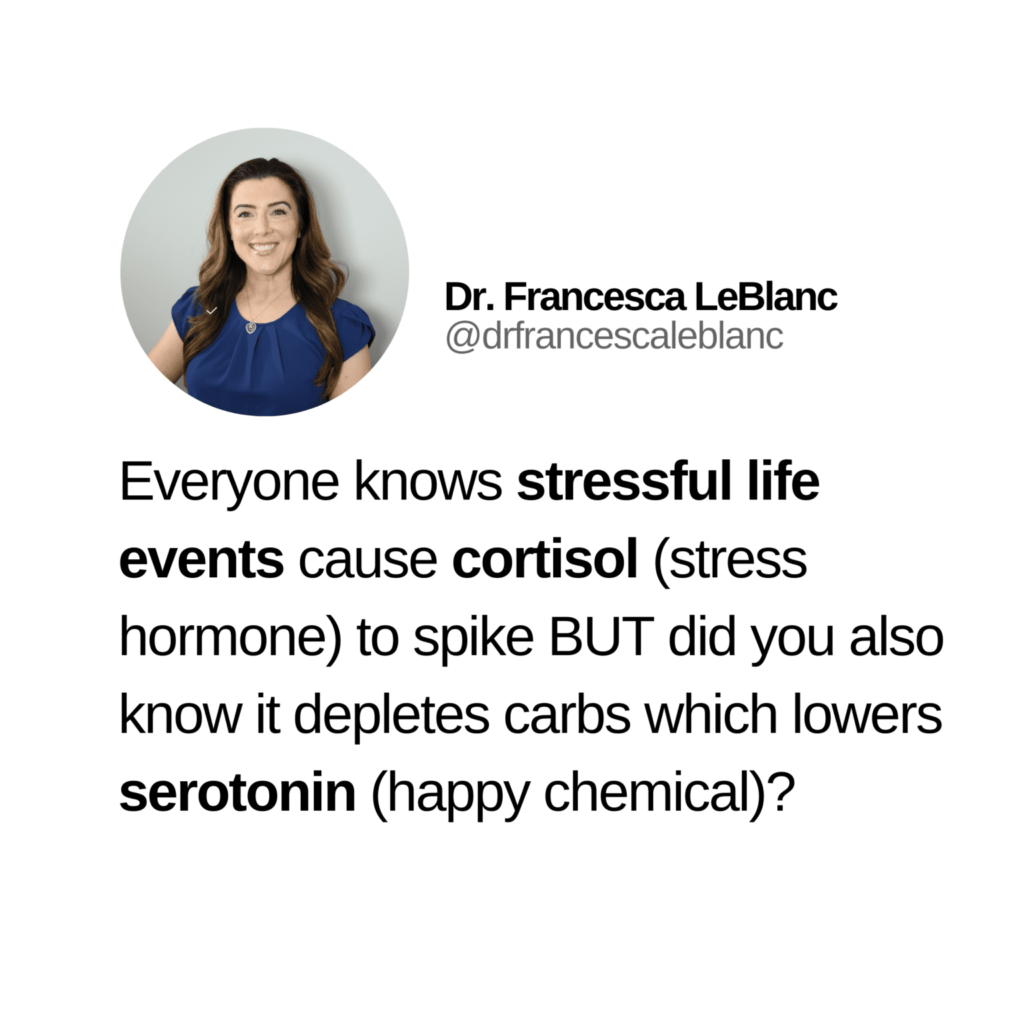
Your brain and body rely on balance between the hormones produced by the H-P-A-T axis.  For example, stressful life events cause a spike in cortisol and carbohydrate depleting which causes serotonin to dip low.  Restoring the delicate balance between the hormones produced by the H-P-A-T axis puts things back on track to significantly reducing and eliminating symptoms.

Natural Remedies

1. Assess Protein and Good Fat Intake

Grass-fed beef and organic poultry are great sources of essential amino acids (proteins we do not produce on our own and need to consume within the diet) which fuel the brain so it can continue to release the exact neurotransmitters (the brain chemicals that stimulate body processes and certain hormone production) you need throughout the day.

Wild-caught fish, free-range eggs and most nuts and seeds are great sources of Omega-3 fatty acids while medium chain triglycerides like coconut oil are also great sources of healthy fat.  These good fats reduce inflammation systemically and assist the body in producing the hormones needed to be joyful and satisfied.  And since nearly more than half your brain is comprised of fat, good fats are absolutely non-negotiable to keep cognitive issues like brain fog, away.(4)

Determining the appropriate amount of daily protein and fat intake varies person to person and initially calculating your macros with a health professional can enable you to zero in on the percentages right for you.  However, in my functional diagnostic medicine practice, I find patients respond well to consuming around 35% protein and around 35% healthy fat of their total daily food intake.

2. Eliminate Refined Sugar and Incorporate Natural Carbohydrates

Processed, fast and convenience foods are extremely high in refined sugar (which is why they are palatable and addictive).  You may initially feel as though you are “clear-headed” with a boost of energy but over time, consuming foods that contain refined sugar and also artificial sugar increase systemic inflammation and contributes to conditions known as “leaky-gut,” (read more on that here). Eating complex, unprocessed carbohydrates throughout the day does the complete opposite! Foods like sweet potatoes, fruit, ancient grains, and raw dairy improve focus and reduce inflammation.   

As mentioned before, calculating your personal macros is very smart to zero in exactly where you need to be daily, but I find most patients in my practice respond well to consuming around 30% of healthy carbohydrates of their total daily food intake. 

3. Find a Stress Management Technique that You will Stick With

It seems like these days we are always “connected” to devices and technology and less connected to real people and experiences that bring us joy.  To decrease the activity of the H-P-A-T axis and decrease symptoms like brain fog, establishing a “go-to” stress management technique is necessary.  If meditation or prayer does not work for you, low-impact exercise like walking or yoga, even journaling or reading may reduce stress.  Personally, I feel most relaxed in nature.  Find what works for you and commit to utilizing it daily.

hpaCategoriesAdrenal Health Functional Medicine Hormones

Adrenal Fatigue and the HPA-axis

I can’t tell you how many messages I still receive on a regular basis from people asking me “if I was aware that Adrenal Fatigue is not real.” My answer is always the same: Just because it does not have a medical diagnosis, doesn’t mean it’s not real. Adrenal Fatigue is the “umbrella term” that functional medicine practitioners use to describe the symptoms patient’s experience when there is HPA-Axis Dysfunction (more on that in a second).

Diagnosing the Root Cause

The truth is, I medically diagnose the exact issue.  For example, a patient who presents to my clinic with salt cravings, afternoon fatigue and the consistent inability to “not be able to get going in the morning,” I lean towards “under-active adrenal glands.”  Upon confirmation through functional lab testing, that patient will receive a diagnosis of “E27.40 – Adrenal Gland Insufficiency.” (This is not to be confused with Addison’s Disease, which is late-end stage adrenal insufficiency and a very serious condition.)


What is the HPA-axis?

The HPA-axis is a network of communication, “signals” that exist between the hypothalamus, the pituitary gland and the adrenal glands. This network is responsible for how we respond to stress and we therefore, can not survive without it.  When neurotransmitters from your brain (hypothalamus) don’t communicate well with your endocrine system (pituitary gland and adrenal glands), due to chronic stress, illness, etc., your adrenal glands can begin to over-produce or under-produce the hormones we rely on daily.  If left unaddressed, the adrenal glands become “fatigued,” and boy – do we feel it! Therein lies how functional practitioners coined the term, “Adrenal Fatigue Syndrome.” The signals of the HPA-axis are utilized by virtually every cell and physiological system of the body to optimize performance according to circadian, environmental and physiological demands. Disturbances in normal HPA-axis activity are associated with a wide variety of physiological and mental health disorders. (1)


The Stress Response

Simply put, it all beigns with a “stressor.”  It could be anything from a moment of actual physical danger (like running from a tiger), to the nervous joy about an upcoming wedding, all the way over to worry about a job interview.  What happens next is complex but pretty neat (if you ask me):

  1. Your brain (hypothalamus) releases a neurotransmitter to signal the endocrine system (pituitary gland) that it’s “Go-Time”
  2. Next, the endocrine system begins it’s role in your stress response by the pituitary gland releasing a neuromodulator to signal the adrenals glands to produce cortisol and release adrenaline (epinephrine)
  3. Cortisol raises blood sugar
  4. Adrenaline raises your heart rate and increases your blood pressure


When Cortisol Takes Over

In the case of adrenal fatigue, the body is in a constant state of fight or flight, and the adrenals are continuously pumping cortisol into your bloodstream. The abundance of cortisol alters leads to hormonal imbalances and a depressed immune response.  Ever have a co-worker or friend that is stressed out all the time? And always sick? Perhaps we can find some new compassion for this person now, because this is the exact mechanism as to why they are stuck in that pattern.  The increased of risk of many health problems due to cortisol-in-control includes but is not limited to:

  • Anxiety
  • Depression
  • Digestive problems
  • Headaches
  • Heart disease
  • Sleep problems
  • Memory and concentration impairment (2)

Final Thoughts

The stress of life is inevitable, but there are so many free resources available to us now to cope with stress and put a proper, realistic system of management in place.  If you find yourself experiencing any of the symptoms associated with H.P.A Axis Dysfunction and/or Adrenal Fatigue, maybe it is time to explore what functional medicine can do for you and your overall health.   

seedCategoriesHormones Nutrition

Industrial Seed Oils and Your Hormone Health

In my over-two-decade journey to Balancing my Hormones, eliminating certain cooking oils was one of the most recent changes I made. (I’m not kidding.) Truth be told, I used sunflower and grapeseed oils for years; I had no idea how they, in recent years, have fallen into the “toxic industrial seed oil” category! I always bought non-GMO and organic so I thought it was okay. Until I started diving into the research.

So What are Industrial Seed Oils?

The eight industrial seed oils are Canola, Corn, Cottonseed, Soy, Sunflower, Safflower, Grapeseed, and Rice bran. These oils are highly processed from soybeans, corn, rapeseed, cottonseed, sunflower and safflower seeds.

How did they become so toxic? One word: Oxidation.

During processing, the seeds themselves are heated to extremely high temperatures to oxidize the fatty acids. Unfortunately, Omega-6 (unhealthy) fats are found in oils such as corn, safflower, sunflower, soy and vegetable and products made with those oils. And we have known for years that excess consumption of omega-6 fats can trigger the body to produce pro-inflammatory chemicals. (1)

What’s wrong with industrial seed oils?

There are a few problems with industrial seed oils, all of which play a significant role in chronic inflammatory diseases:

  1. Eating industrial seed oils raises our omega-6-to-omega-3 fatty acid ratios, with significant consequences for our health
  2. Industrial seed oils are unstable and oxidize easily
  3. They contain harmful additives
  4. They’re derived from genetically modified crops
  5. When industrial seed oils are repeatedly heated (as restaurants do in fryers), even more toxic byproducts are created

How are industrial seed oils making us sick?

Industrial seed oils, even if organic or non-gmo, are not healthy. A number of chronic inflammatory diseases have been linked to the consumption of Omega-6 and the byproducts of these oils, in addition to health problems like (2):

  • Anxiety
  • Asthma
  • Autoimmune disease
  • Depression
  • Dementia
  • Diabetes
  • Heart disease
  • Hormone Imbalance
  • Infertility
  • Inflammation
  • Intestinal Permeability, “leaky-gut”
  • Obesity
  • Osteoarthritis

When it comes to our hormones, did you know that Omega-3 fatty acids (good fats!) are the precursors to properly produced hormones? Therefore, consumption of its counterpart Omega-6 will not promote healthy hormone balance (3).

My Final Thoughts

The best thing you can do for your own (hormone) health and the health of your family is to begin to reduce and eventually eliminate all vegetable oils and margarines from your home. Replace them with healthy saturated fats. I like to bake with coconut oil and grass-fed butter. For stove-top sauteing and stir-frying I opt for avocado or coconut oil. Extra virgin olive oil is my go-to for homemade salad dressing.

  1. https://www.ncbi.nlm.nih.gov/pmc/articles/PMC3335257/
  2. https://pubmed.ncbi.nlm.nih.gov/12442909/
  3. https://pubmed.ncbi.nlm.nih.gov/15385858/
magnesiumCategoriesHormones Nutrition

All About Magnesium

What you Need to Know about Magnesium and Hormones 

Are you the queen of mood swings? (Yeah, join the club!). It could be a magnesium deficiency wreaking havoc on your hormones! In addition to brain fog and insomnia, mood swings are one of the most common challenges that patients present to my clinic with. Mood swings also happen to be very commonly associated with adrenal dysfunction. 9 times out of 10 these patients also have a mag deficiency. Here are some symptoms:

  • Migraines
  • Anxiety
  • Fatigue
  • Muscle pain
  • Leg cramps
  • Insomnia
  • High blood pressure
  • Fibromyalgia
  • Type 2 Diabetes

What’s the Effect of Magnesium on Cortisol Levels? 

When the adrenal glands spike cortisol in response to stress you deplete your magnesium! What if you never address your level of stress? (Hormone Imbalances for days…) In a 2020 study out of the Journal of Nutrients – we now know that stress could increase magnesium deficiency; and in turn, that deficiency could enhance the body’s susceptibility to stress, resulting in a vicious cycle. Below is more research. 

What is Magnesium? Why Might I Need More of It for Hormone Balance?

Let’s discuss the role of magnesium in hormone regulation. Magnesium is an essential mineral. It plays a role in many of the body’s functions from regulating metabolism to providing energy and supporting muscle contraction. Here are five reasons why all women should make sure to get enough:

  1. Supports bone health: It is essential for healthy bones because it helps to absorb calcium, which is necessary for strong bones. In fact, a lack of adequate magnesium can lead to decreased bone mineral density.
  2. Helps with PMS: Research has found that women who supplement with magnesium regularly experience less severe PMS symptoms, such as headaches, bloating and cramps.
  3. Helps reduce stress: It helps reduce stress by modulating the body’s stress hormones, which can help women to relax more easily. It also helps protect against depression and anxiety.
  4. Can help combat menopause symptoms: It can reduce symptoms of menopause! Yes, even hot flashes and night sweats. It is also important for cardiovascular health, which can be negatively impacted during menopause due to lower estrogen levels.
  5. Aids in digestion: It helps regulate digestion by controlling the contraction and relaxation of muscles in the digestive tract. This basically helps your food move through your intestines more easily.

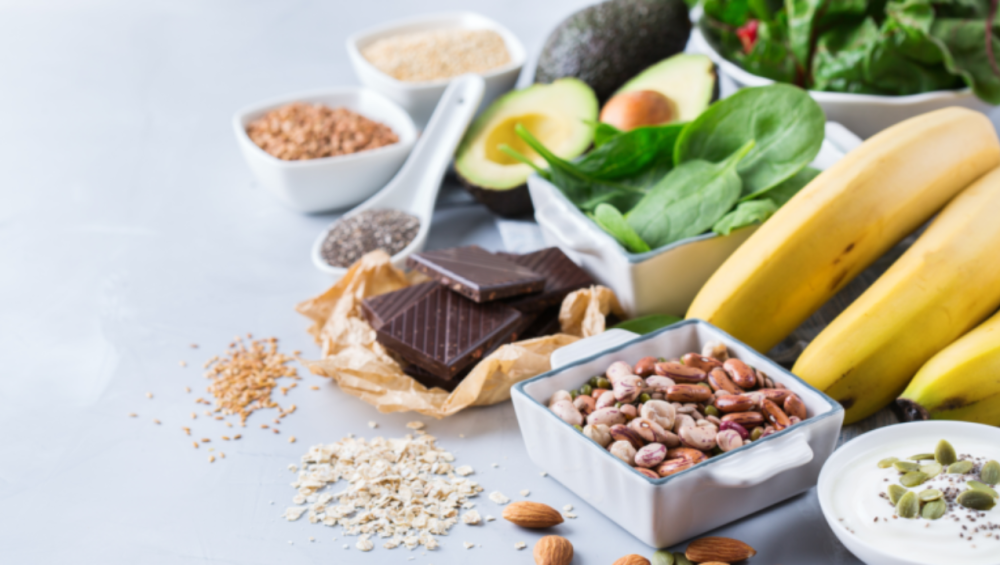
The best way to get enough is from a healthy diet! That includes plenty of green leafy vegetables, nuts, and whole grains. If you don’t think your diet is providing enough, you can also consider taking a supplement (more on that below). A high quality multivitamin made from Whole Foods should get you pretty close to your R.D.A. But to bridge the gap, load up on:

  • Spinach
  • Swiss chard
  • Pumpkin seeds
  • Black beans
  • Dark chocolate
  • Almonds
  • Avocado
  • Bananas 
  • Sesame seeds

How Does Magnesium Work in Your Body?

Magnesium is needed for over 600 physiological reactions in your body to be carried out successfully. Glutathione – your body’s main powerhouse antioxidant (needed to destroy free radicals!) – cannot be synthesized without adequate magnesium.  It works alongside calcium and researchers believe a deficiency allows calcium to build up in the lungs, causing constriction, which can lead to asthma. It also partners with calcium to control inflammation and reduce the hardening of your arteries, regulate your blood pressure and improve blood flow through your arteries by controlling its thickening. This will reduce your risk of heart disease. Heart disease is the number one killer of women!  It also assists in blood sugar regulation by regulating insulin and A1c. This reduces your risk for Type ll diabetes. 

Benefits of Magnesium for Thyroid Function

Magnesium also plays a crucial role in thyroid function for the synthesis of thyroid hormones. It’s involved in the conversion of the inactive form of thyroid hormone (T4) to the active form (T3) in the body. Additionally, magnesium helps regulate the body’s response to thyroid-stimulating hormone (TSH), which controls the production and release of thyroid hormones. As you might be able to guess, adequate levels of magnesium are necessary for optimal thyroid function. 

How Much Do You Need a Day? 

Generally speaking, you need to supplement with around 400 mg/day but you can increase your level naturally by consuming those dark green leafy vegetables and those foods I mentioned earlier to increase your intake naturally.  I love dark leafy greens. Try kale and spinach to supply your body with a key stress management and relaxation mineral – you guessed it – magnesium. With so many different forms of supplementation available, always start with real, whole foods first. 

Supplements I Recommend

Ever buy a supplement and go, “Um, what a waste! It didn’t do a dang thang!” Yep, me too. Magnesium occurs in numerous forms and from many different sources. Its absorption from supplements varies! Just as much as it does from meals. Supplements are created by binding a magnesium molecule to a carrier of some kind. Carries could be amino acids (glycine, arginine, taurine) or an organic acid such as citrate. This aids in the conversion into a form that the body can recognize and absorb. 

Magnesium Supplements for Hormonal Health

There are 3 forms I do not go without to manage my stress and preserve my hormone health. 

  1. Magnesium Malate – a very easily digestible form of magnesium is great for muscle aches, pains and Fibromyalgia.
  2. Magnesium Citrate – a very bioavailable form of magnesium, it preserves the gut and relieves constipation.
  3. Magnesium Glycinate – this calming form of magnesium is great for improving sleep, and reducing anxiety and depression. 

Which Supplement I Use 

It’s called Reacted Magnesium and you can find it in my dispensary. It’s a convenient combo of all three in a one-stop-shop! I love it for PMS cramps and even depression. I started with a therapeutic dose (a little over 400mg twice/day) for a month and noticed a huge improvement so since then I have scaled to a maintenance dose of a little over 400mg once/day. Now I rarely experience cramps or get truly depressed unless I have not prioritized my self-care.

rCategoriesHormones

Hormone Imbalance Red Flags: What You Need to Know

I think as women we accept when we don’t feel our best and push through so when someone mentions the words – Hormone Balance – it feels overwhelming and instinctively we go “Yeah, probably but I don’t have time for that.” If your labs are normal and your doctor says everything is fine and dismisses your concerns, keep reading.  Hormone imbalances can be tricky to detect, as the symptoms may vary from woman to woman. You may have a hormone imbalance but dismiss your symptoms as normal or inevitable consequences of aging and stress. However, if left untreated, hormone imbalances lead to health problems! Read on if you have unexplained weight gain, hair loss, acne, mood swings, menstrual irregularities, and even infertility. 

Hormone Imbalance RED FLAGS you need to look out for

  1. When you’re tired after sleeping – you could be over producing cortisol
  2. When you gain weight easily – this once again could be cortisol but also a hormone imbalance with your thyroid
  3. When you’re moody and anxious – this could be an estrogen imbalance
  4. When you don’t eliminate regularly – this could be a progesterone imbalance but once again also a thyroid imbalance
  5. When you’re “puffy” (inflamed) – this could be an imbalance with one or all: estrogen, progesterone or thyroid

Are you always tired? 

When you’re feeling the fatigue that comes after a night of poor sleep, it could be due to your body producing too much cortisol. Cortisol is a stress hormone that can leave you feeling exhausted and drained if produced in excess. To minimize these effects, try simple lifestyle changes such as exercising regularly, getting enough sleep each night, and sticking to an appropriate schedule so your body can recover. Additionally, eating a healthy diet and engaging in stress-relieving activities like yoga or mindfulness meditation can help reduce cortisol levels so you don’t feel fatigued. 

Are you gaining weight?

Hormonal imbalances can make it hard to lose weight or even cause weight gain. Estrogen dominance, for example, is associated with weight gain around the hips and thighs, while progesterone deficiency can lead to an increase in belly fat. Growth hormone, which regulates metabolism and muscle growth, can also be affected by hormonal imbalances. Struggling to maintain a healthy weight? Feel like you’ve tried everything else? It may be time to investigate the possibility of a hormonal imbalance.

Do you have fatigue and mood swings?

If you’re feeling constantly tired and irritable, hormone imbalances could be to blame. Everything from your mood, energy, and sleep quality can lead to fatigue and mood swings from an imbalance. Estrogen, for example, has been linked to serotonin levels. Those levels can regulate mood and appetite. Low levels of estrogen? That might get you a dip in those serotonin levels, causing mood swings, irritability, and even depression. If you’re feeling out of sorts and more fatigued than usual, it may be time to have your hormone levels checked! 

Do you have irregular bowel movements?

Are you getting enough magnesium and vitamin B6? Magnesium and B6 can help to restore progesterone levels as well as encourage regular elimination. Regular exercise, yoga and meditation can also be beneficial for restoring balance within the body.  Are you getting enough fiber? Fiber and water are essential for having regular bowel movements. Exercise can also help keep things running smoothly as physical activity helps the digestive system work efficiently. Additionally, try avoiding foods that are high in saturated fats or processed sugars, as these can slow down your digestive process. 

Are you inflamed?

If you’re feeling “puffy” (inflamed), it could be the result of an imbalance in one or all: estrogen, progesterone, and/or thyroid. Androgens, a group of male hormones present in women as well, can increase oil production in the skin. And more oil production leads to clogged pores and acne outbreaks. Hormonal imbalances can also affect the skin’s sensitivity to natural bacteria. Hormone imbalances can affect women of all ages! You may suffer serious health issues if left untreated – so don’t leave them untreated! It’s worth doing a Google search for a local functional medicine doctor to work with so they can test and not guess what your root causes are! Hope this was helpful ladies!

vitmindCategoriesHormones Nutrition

Nature’s Hormone Hack: The Power of Vitamin D

Nature’s Hormone Hack: The Power of Vitamin D

Do you have chronic fatigue (the inability to get to sleep or stay asleep)? Are you an emotional roller coaster (feeling up, down and all over the place)? Do you have a sickness you just can’t seem to shake (poor functioning immune system)? Do you have a hormonal imbalance (thyroid dysfunction, irregular cycle or adrenal fatigue)? Do you have weak bones (osteoporosis or osteopenia)? Do you have an inability to put on muscle or lose weight (given your efforts!)? One of the most common findings in my functional diagnostic medicine practice is a Vitamin D deficiency. All of these can relate back to a sub-optimal level of Vitamin D (lab values less than 20).

Vitamin D is Actually a Prohormone

This means it’s required to carry out a ton of hormonal reactions in the body. And it’s made in the liver, so if your liver isn’t healthy this isn’t helping the situation! Get your Vitamin D level tested in the beginning of winter months and again at the start of warmer months (twice/year) so you can supplement accordingly when that time of the year rolls around. The right amount of Vitamin D can be a game changer! Let’s learn more: 

  • Vitamin D is actually a hormone the kidneys produce that controls blood calcium concentration and impacts the immune system
  • Vitamin D is also known as calcitriol, ergocalciferol, calcidiol and cholecalciferol
  • Vitamin D is made in your skin. It’s a response from the sunlight. You can also get it from foods you eat. 

The Power of Vitamin D

In a 2016 study from the International Journal of Environmental Research and Public Health, we learned that ongoing exposure to sunlight reduced weight gain in mice. The mice ate a high fat diet. So what exactly does it do? Vitamin D is, in part, responsible for regulating mood, boosting immunity, supporting bone health, regulating hormonal balance, and preventing chronic diseases. Specifically, it: 

  1. Regulates mood: Research shows that Vitamin D can play a significant role in regulating mood. If you have low levels of Vitamin D, it’s likely you also have depression and anxiety. Women who experience hormonal imbalances and suffer from mood swings can benefit from an optimum level of Vitamin D. Sun exposure, together with a healthy diet and supplements, can improve symptoms of PMS, depression, and anxiety. 
  2. Boosts immune system: Vitamin D is a key player in keeping our immune system strong. It can help our bodies fight off infections and reduce inflammation. Women with hormone imbalances tend to have weakened immune systems, which means they are more vulnerable to infections and diseases. Don’t be afraid to supplement. It can help with contracting respiratory infections, such as the flu and colds.
  3. Supports bone health: Vitamin D and calcium work hand in hand to keep our bones strong. The sunshine vitamin is essential in absorbing calcium and phosphorus. Women with hormonal imbalances and low levels of Vitamin D are at risk of osteoporosis and bone fractures. 
  4. Regulates hormonal balance: Vitamin D acts as a hormone in our body, and it plays a vital role in regulating hormone levels. It is especially important for women who experience hormonal imbalances, such as PCOS, endometriosis, and irregular periods. When you get more Vitamin D, you can improve hormonal imbalances and symptoms such as acne, hirsutism, and infertility.
  5. Prevents chronic diseases: Studies have linked low levels of Vitamin D to all sorts of chronic diseases. Think cancer and diabetes, and even heart disease. Women who suffer from hormonal imbalances and low levels of Vitamin D are at risk.

How to Get More Vitamin D 

The sun is an easy way to get your daily dose of Vitamin D. However, women who have hormone issues may find it difficult to get outside when their health is suffering. Besides, you might live in an area where it is not sunny year round. If you struggle with feelings of sadness or depression during certain times of the year I know it’s hard to make that happen. Remember, there is evidence that shows lack of the fat soluble Vitamin-D can lead to insulin resistance and estrogen imbalance. Which means if you aren’t supplementing the exact dosage right for you, you can expect anything from depression to hot flashes, mood swings and so much more.  If this is you, you’ll want to get tested multiple times/year and meet your body where you are at! You’ll produce enough Vitamin D in just thirty minutes of sun exposure a day or a few times a week for happy hormones that will boost your metabolism. 

Wait – I Spend so Much Time Outside! Could it Still be a Vitamin D Deficiency? 

Unfortunately, yes. Underlying gastrointestinal (hello, leaky-gut!) and liver dysfunction greatly impacts Vitamin D’s upregulation, integration and assimilation making it possible to be Vitamin D deficient while residing in a sunny state. Adequate Vitamin D slows the activity of the HPA-Axis, thereby reducing cortisol and decreasing your stress response. I’m a huge proponent of getting OUTSIDE but I’m also realistic and check my own Vit-D levels when the seasons change to ensure I’m getting enough because I have to continually support my adrenal glands to keep my own stress response in check.  Find a functional medicine practitioner in your area to work with locally or we can work together virtually to ensure you get back on track.

fastingCategoriesMental Health Weight Loss

Why Intermittent Fasting Is Not The Solution

What is Intermittent Fasting? 

I’ve seen and heard many buzzwords over the years. Intermittent Fasting (IF) is one of them. IF has been taking over the fitness and wellness industry, but I have to say – I don’t agree with it. And my reasons have nothing to do with weight loss or body transformation. Instead, I’m looking at the impact that IF has on our hormones, specifically for women. Keep reading for my secret on how to let your body relax and repair instead of being in a constant state of deprivation and stress.

How does IF Worsen Hormone Imbalances? 

Intermittent Fasting (IF) worsens hormone imbalances because the body senses fasting as stress. Intermittent Fasting may sound like a quick fix, but the truth is, it can have dangerous effects on the body in the long run. If your cycle is off (or currently absent) or your adrenal glands are fatigued (cortisol is on its way to becoming depleted – more on that below) or you have a thyroid issue (your hair is falling out), IF just isn’t going to work. I’ve seen a lot of men get great results with IF but not many women, just for the sheer absence of key nutrients and calories. For this reason IF is definitely not a great idea if you are trying to become pregnant. For women in my practice focusing on balancing their hormones “restrictive diets” don’t yield results.  IF can increase cortisol levels and insulin resistance, which leads to weight gain, mood swings, and more hormonal imbalances. In women, it can also create a severe imbalance in sex hormones, leading to reproductive disorders and even infertility (again, not good if you’re trying to conceive). IF disrupts the body’s biological clock, which can interfere with sleep, digestion, and other important bodily functions.

Adrenal Fatigue and Intermittent Fasting 

Dealing with Adrenal Fatigue? IF requires a healthy stress response (strong adrenal function) and healthy blood sugar levels. While extending the gap between meals is great for improving your metabolism and digestion, it also causes blood sugar levels to plummet and can exacerbate HPA-Axis dysfunction (thereby provoking your symptoms of Adrenal Fatigue).  Yes I’m a fan of intermittent fasting to “wake-up” my metabolism and break “plateaus” BUT only if your hormones are balanced. 

Try a Digital Detox Instead (Seriously!)

Nowadays, we consume more technology than ever before. We are on our computers at work and then our phones at home! I bet you spend more than eight hours a day staring at a screen. This digital dependency has increased our stress levels, disrupted our sleep patterns, and created a constant state of tension and anxiety. These factors alone can contribute to hormonal imbalances. In a 2021 study, when intentionally taking a break “from being connected” a.k.a. a Digital Detox, subjects reported positive changes in mood, better sleep, less anxiety and more productivity. 

Try a Holistic Approach

As we know, women are more susceptible to hormonal imbalances than men. This is why I encourage a holistic approach to wellness. Instead of depriving your body of food, why not give it what it needs? Eat a well-balanced diet of whole foods, while you reduce sugar and processed foods, to maintain hormonal balance. Couple that with a digital detox and you just might rejuvenate the body! 

Quick-fix Solutions are Not the Answer

While intermittent fasting can work for some people, it’s not a one-size-fits-all solution. Instead, by slowing down, taking breaks from tech, and learning to eat mindfully, you can lower stress levels, improve digestion, and restore hormonal balance. Mindful eating means eating when you’re hungry, focusing on the food, and noticing how it affects your body. This is a much healthier and sustainable approach. Remember, Intermittent Fasting has become a buzzword! The risks associated with it cannot be ignored. It’s time to stop focusing on quick-fix solutions that affect our hormones and bodies in the long run. Instead, it’s time to start small and prioritize your body. Your hormones deserve better than to be affected by the trends of the day. Don’t forget to explore more of my blog posts and reach out if you have any questions.

cravingsCategoriesHormones Nutrition

Understanding the Connection Between Hormones and Sugar Cravings

Sugar cravings are common, and many women struggle to resist the temptation. But did you know that your hormone levels could be the reason behind your sweet tooth? I have seen many women who are unable to control their sugar cravings despite trying all the diets and exercise regimes. This is because hormonal imbalances in the body can lead to increased sugar cravings, fatigue, mood swings and much more.  To start off, there are MANY reasons why you would crave sugar. Here are a few. You may crave sugar because of: 

  • Blood sugar dysregulation
  • High cortisol
  • PCOS
  • Elevated insulin
  • PMS

The Link Between Serotonin and Sugar 

Nearly 100% of my patients with excess estrogen or estrogen dominance crave sugar! Check out this study which says that increased estrogen decreases our happy hormone known as serotonin. When serotonin is low, we’re moody so we crave sugar. The obvious best course of action would be working directly with a functional medicine doctor who can test-not-guess that this is the root cause of your sugar cravings. Eating sweets sends your mood and energy on a rollercoaster and from a hormonal standpoint, disrupts Insulin, leading to those issues I talked about before – blood sugar dysregulation and imbalances within estrogen and testosterone. 

How Magnesium can Help 

I’m a reformed sugar-junkie myself (we ate candy all day long in the restaurants I worked in throughout my twenties!) and getting consistent with magnesium was major for me. Magnesium and insulin dance lovely together to help your body use sugar efficiently! Try getting a little extra magnesium from abundant sources like beef, poultry, dark leafy greens and pumpkin seeds. Supplements work well too! I love Reacted Magnesium. It’s available in my dispensary. 

It’s all About Balance! 

Your hormones play a crucial role in your body’s sugar metabolism, which determines how much sugar is in your bloodstream. A hormonal imbalance can lead to reduced insulin sensitivity in the body, leaving glucose levels high and leading to sugar cravings. Insulin – you’ve heard of it. It’s the hormone that regulates blood sugar. It does this by moving glucose aka sugar from the bloodstream into your cells for energy. When insulin is not functioning well, it results in high sugar levels in the bloodstream, and the body signals for more sugar to balance it out. This leads to sugar cravings, as the body is seeking more glucose to balance out the sugar levels. Additionally, hormonal imbalances may lead to mood swings, fatigue, and depression, leading to an increased desire for sugary foods as a temporary fix. An imbalance in any hormone in your body, such as cortisol or estrogen or testosterone, can have significant effects on your sugar metabolism, increasing sugar cravings.

What Can You Do About Sugar Cravings? 

Making small diet and lifestyle changes can help maintain the balance of your hormone levels, reducing sugar cravings. Start with reducing processed foods and refined sugars. Adequate sleep is also very important. When you don’t get enough sleep, it throws your hormones off which leads you to sugar cravings and fatigue. A balanced diet and regular exercise are great ways to help balance hormones in the body but I know it’s tough. Get exercise in when and where you can and pick an activity you enjoy! 

Know When To Seek Help 

Medical treatments such as hormone therapy, supplements, and medication may help correct hormonal imbalances to stabilize blood sugar levels and reduce sugar cravings. Please know that sugar cravings are a common symptom of hormonal imbalances that can be easily improved through lifestyle changes and medical treatment. Understanding the connection between hormones and sugar cravings is the first step in maintaining a balanced hormonal level. Try diet and lifestyle changes and reach out if you need my help. By taking control of your hormones, you can reduce sugar cravings, enjoy better energy levels, better moods, and mental clarity.