
aportCategoriesHormones

How to get through an airport with balanced hormones intact

Traveling is exhausting! Crowded airports, travel delays and all that unhealthy airport food. Airport food options are often limited. If you are on an adrenal fatigue healing journey, it’s essential to know which snacks to consume and which to avoid when traveling. Even when traveling, you want to keep your hormones balanced. Let’s discuss how to make the right snack choices when up in the air (or on the road). 

My real life scenario

When I travel with my littles, I have a gallon Ziploc “snack bag” ready for them to dive into every five minutes. But when I travel alone – I’m a total scatterbrain sometimes and forget. Recently, on a flight, I didn’t even know my airport had built a new terminal, and I parked a mile away at the old one! So you better believe I showed up empty-handed when it came to the snacks.

Why smoothies are a no go 

I tried to get a smoothie – but not so fast. I know – many people view smoothies as a healthy choice. The truth is that most smoothies at the airport contain way too much sugar and other unhealthy additives. Why? Well, many airport smoothie shops use pre-made mixes or powders. This means no fresh ingredients. These mixes often contain a high amount of added sugars and artificial flavors. This enhances the taste, making them more appealing. Well, if you’re only after taste. Furthermore, the portion sizes of these smoothies are often much larger than recommended serving sizes. This means that you may be consuming more sugar and calories than you realize in one drink! These smoothies likely also contain fruit juices or syrups as a base, rather than whole fruits.  Not only can consuming too much sugar lead to weight gain and other health issues, but it can also cause a spike in blood sugar levels followed by a crash. A crash is not something you want on a travel day when you need your energy! This is also especially concerning for those with diabetes or pre-diabetes. Keep reading to see what snacks I ended up purchasing. 

Airport snacks to avoid

  1. Sugar and carbs – reaching for a chocolate bar or a bag of chips is tempting. But these foods will cause your blood sugar to spike, leading to a crash shortly after that.
  2. Energy drinks contain high levels of caffeine. This can interfere with your sleep cycle. They are often high in sugar and artificial ingredients that harm the body.
  3. Processed foods – avoid burgers, hot dogs, and other fast-food options. These are often loaded with unhealthy fats, sodium, and chemicals.

Airport snacks to consume

  1. Nuts and seeds – try almonds, cashews, pumpkin seeds, and sunflower seeds. These are excellent snacks on the go. These healthy fats, protein, and fiber that help keep your hormones balanced. On my latest trip, this is what I ended up opting for. 
  2. Vegetables and hummus – veggies such as carrots, celery, and bell peppers, paired with a serving of hummus – yum! Always a good choice. 
  3. Fresh fruit – grab an apple, pear, or banana to provide a natural energy boost. Fiber has many benefits, it helps to slow down digestion, which can prevent a blood sugar spike.
  4. Hard-boiled eggs are high in protein and a great way to keep your energy levels up. Hard-boiled eggs can be stored in a plastic container and are easy to pack as a quick snack.
  5. Homemade trail mix – make your trail mix at home! Grab your favorite nuts and seeds and add in some dried fruit. This is a great snack option for when you need a quick boost of energy.

Traveling is stressful on our bodies and minds. But, with the right snacks, we can keep our hormones balanced and our energy levels up. Avoid sugary and processed foods! Choose healthier, hormone-balancing options, like the ones listed here. Even try packing some of these snacks the next time you’re traveling. And, pack a refillable water bottle to stay hydrated on the go. Safe travels!
habits1CategoriesHormones

6 habits I swear by (and why) 

I’ll admit with two kids under six, getting in a “bath” for me is the hardest! But, I have noticed a reduction in my symptoms of Estrogen Dominance by implementing these six habits. They all work together to lower estrogen levels. They do this by encouraging the liver to package excess estrogen. Then it sends it down its proper detox pathway. Below are the three habits I do daily. 

  1. Eat microgreens
  2. Drink water
  3. Eat protein

Let’s dive into why. 

Eat microgreens

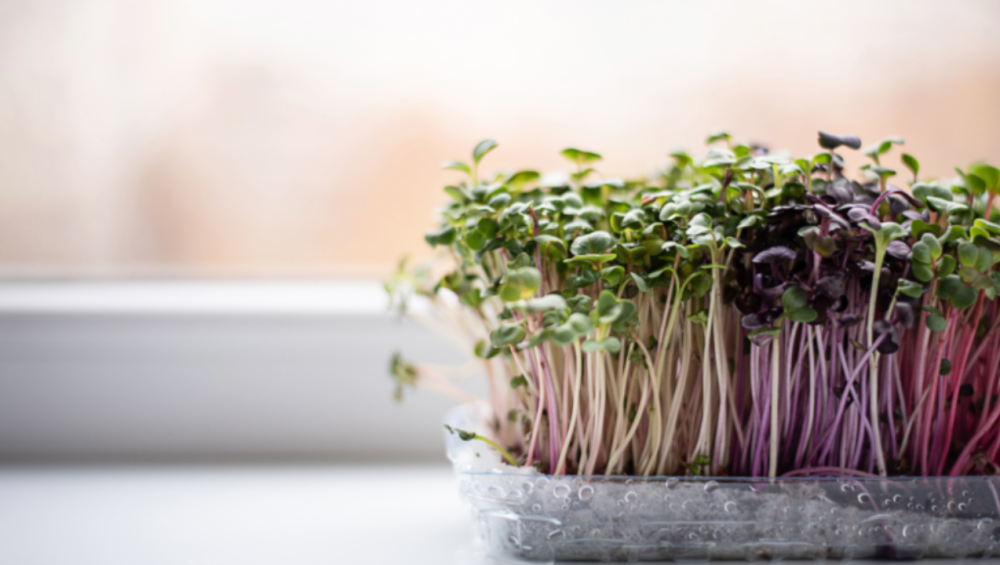
Microgreens are the tiny greens you may have seen on your plate in fancy restaurants. Here’s why I love them:

  • They are nutrient-dense
  • Packed with various micronutrients – vitamins C and K
  • Can contain up to 40 times more mineral concentration than mature vegetables
  • Contain phytochemicals which promote liver health by supporting its detoxification pathways
  • Rich in antioxidants and phytonutrients
  • Have a high nutritional value
  • Contain sulforaphane, which promotes estrogen metabolism

Eating a handful of microgreens daily is a simple yet effective way to keep your liver healthy. Do it daily! 

Drink water

This sounds obvious, right? I hope so! But, staying hydrated is essential for proper liver function and detoxification. It’s important to note that your water intake will vary depending on your exercise level. Dehydration can limit your liver’s ability to do its job. This means it has to work harder to detoxify excess estrogens and other toxins. You’ve probably heard that you are supposed to drink at least eight glasses of water a day? Well, it’s true. Doing so helps flush out toxins, promote digestion, and maintain a healthy weight. Now, more importantly – and this is the MOST important factor – please ditch bottled water for the love of God. There are too many trace endocrine-disrupting chemicals to name! Drink filtered water always in all ways. I love my alkalized, antioxidant Kangen water.

Eat protein

Protein creates hormones! Consuming an adequate amount of protein each day is vital. Include healthy protein sources such as:

  • Chicken
  • Turkey
  • Fish
  • Eggs
  • Plant-based sources like:
    • Legumes
    • Nuts
    • Seeds

High-quality protein sources help maintain a balanced hormone level. They also support healthy liver function. For reference, a 150-pound, active female patient of mine needs around 80-100g of protein/day. Of course this depends on her activity level. Your liver needs adequate protein to support a healthy metabolism. Try to do those three habits daily. Now, try to do the following habits three to four times a week.

Break a sweat exercising

Physical activity helps balance hormones, making it essential to any hormone-balancing routine. Regular exercise helps reduce cortisol levels and circulate estrogen levels. This combination promotes detoxification, leading to estrogen dominance relief. Moving encourages lymphatic flow (detox!). Sweating will further reduce the load on the liver. Aim for 15-20-minute sessions of burst training or power yoga.

Take a hot bath

Take a hot bath or sauna. For the same reason, we want to break a sweat exercising but also with the added benefit of decreasing cortisol. And, increasing serotonin (GREAT for us Adrenal Fatigue Fighters). Hormonal imbalances can cause muscle tension and lead to sleep disturbances. This, of course, can impact your general health. A warm bath also:

  • Helps relieve muscle tension
  • Reduces stress
  • Promotes better sleep

Eat a raw, grated carrot salad

Raw carrots are a great source of indigestible fibre. They prevent estrogen reabsorption from the gut. This takes a massive load off of the liver and supports proper metabolism. They are rich in fibre, vitamin C, and antioxidants, which support liver function. And here’s something unique, unlike other cooked vegetables: raw carrots contain compounds that improve estrogen metabolism, leading to normal estrogen levels. Try adding a small raw grated carrot salad to your meals several times weekly! See if your hormones don’t thank you!

Symptoms of Estrogen Dominance

I used to feel terrible due to my estrogen dominance, but gradually, I learned how to manage my hormones naturally. With a combination of these six habits, I saw a significant decrease in my estrogen dominance symptoms. They work together to help your liver package up excess estrogen and remove it from your body! If you have any of the following symptoms, try implementing these six habits into your week. 

  • PMS
  • Heavy cycles
  • Irritability
  • Weight gain
  • Mood swings
  • No libido, etc.

To wrap it up 

  • Consume microgreens daily 
  • Drink water daily 
  • Eat healthy protein sources daily 
  • Break a sweat exercising a few times a week 
  • Take a hot bath a few times a week 
  • Eat a raw grated carrot salad a few times a week 

Everyone’s body requires different care. I encourage you to try these six habits and DM me when you FEEL the difference! 

overtrainCategoriesNutrition Weight Loss

Can’t lose weight? Why you might be overtraining 

If you are exercising to reduce stress and lose weight, listen up! Most of us believe exercising is a panacea for all our health woes. That’s indeed true but to some extent. Did you know certain forms of exercise do more harm than good to your body when you have a hormonal imbalance? This is especially true if you are experiencing chronic stress due to work (or life!). It’s okay if you didn’t know this. I didn’t know until about five years ago, either! Twenty years ago, I was taking 5 a.m. spin classes before I commuted an hour into NYC. Then a decade ago, I was doing Crossfit five-six to six nights/week, and I had belly fat that wouldn’t budge. I had zero clue that I was overtraining. When done improperly, high-intensity exercises, and prolonged workouts can trigger hormonal imbalances. Let’s dive into why.

What is overtraining?

One of the most common issues that people face when trying to lose weight is overtraining. It may seem counterintuitive, but it’s true. Working out too much can actually hinder your weight loss progress (it happened to me!). Overtraining occurs when the body goes beyond its limits with excessive exercise. This usually happens alongside not enough rest and recovery time. This can lead to negative effects such as:

  • Muscle fatigue
  • Decreased performance
  • Hormonal imbalances
  • Even injury

Hormone imbalance #1 – stress

Both chronic work/life stress and strenuous forms of exercise cause a cortisol spike. Cortisol is a hormone the adrenal gland produces that helps our body cope with stress. Are you always stressed? This can lead to overproduction of this hormone. That can then lead to weight gain and other health issues. Strenuous exercises can also trigger that same cortisol spike. This can lead to insulin resistance. This is when the muscles, fat, and liver cells become desensitized towards insulin. As a result, the body absorbs glucose ineffectively from the bloodstream. This leads to increased hunger and belly fat. Additionally, when cortisol finally drops, it may lead to depleted adrenals. Depleted adrenals AKA Adrenal Fatigue.

Hormone imbalance #2 – no rest days

No stress management or significant rest days in place? This leads to insulin resistance, too! Remember that the body requires ample time to rest and recover so make sure you give it that. Proper stress management techniques are key. Try meditation or deep breathing and get enough sleep! So how do you know if you are overtraining? Some signs include:

  • Persistent muscle soreness
  • Increased fatigue
  • Decreased performance
  • Increased hunger

It’s important to listen to your body. Give it adequate rest and recovery time between workouts.

How to avoid overtraining? 

Have a well-rounded workout routine that includes both strength training and cardio can help you avoid overtraining. Additionally, try incorporating rest days into your workout schedule! Try short and frequent sessions of burst training, power yoga, Pilates, or walking on a treadmill for about 10 to 15 minutes. These exercises are practical as they burn fat and increase metabolism. This signals the body to improve insulin sensitivity and lower cortisol.

Is exercise important to lose weight?

It’s less crucial than your diet to heal those hormonal imbalances I mentioned. Foods containing omega-3 fatty acids, fiber, and protein help regulate hormones and promote weight loss. Limit processed sugar and carbohydrates. Make sure to:

  • Stay well-hydrated
  • Reduce caffeine and alcohol consumption
  • Add antioxidants
  • Avoid trans fats

It’s best to be cautious when it comes to exercise and hormonal balance and seek the opinion of a healthcare professional if you have any doubts (shameless plug!). Often, overtraining is a simple fix!  Don’t forget to explore more of my blog posts and reach out if you have any questions.

eatCategoriesHormones Nutrition

Do the Foods You Eat Make Your Hormones Happy?

We all have that one food that we can never resist, no matter what. For some, it’s pizza (ME), while for others, it’s ice cream. I’ll be honest – I grew up in New Jersey eating bread, pasta, and yep – pizza. Those foods still comfort me to this day, but if I’m honest, I feel like crap later! As we grow older, we realize being able to eat whatever we want, whenever we want is not all it’s cracked up to be. The things we once loved to indulge in now make us feel bloated, fatigued, and even anxious. Foods that make you feel good when eating them but then leave you feeling crappy make your hormones SAD. This is especially true for women who have hormone issues. Our hormones play a crucial role in how we feel emotionally and physically. This makes it essential to understand which foods make our bodies and hormones HAPPY. In this blog post, we’ll dive into the foods that make you feel good and also improve your hormones.

Foods that make your hormones sad

  • Food stored in plastic
  • Processed food
  • Produce sprayed with pesticides
  • Foods low in fiber
  • Foods low in good-quality fat (cooked in healthy oils)
  • Foods that contain artificial preservatives (like MSG)
  • Foods that contain artificial colors and flavors
  • Meat and poultry that contain antibiotics

Let’s dive into the why. 

Food stored in plastic or processed food

We all have been guilty of opting for packaged and processed foods. So convenient. Most processed foods contain harmful chemicals though. These are preservatives, artificial colors, and flavors. These can affect our hormones. The chemicals in plastic packaging act as hormone disruptors. When these make their way into the food we consume, it affects us in the long term. It’s always better to go for fresh and whole food options. These are free from harmful chemicals.

Produce sprayed with pesticides

Most of us don’t realize; even the fruits and veggies we eat may contain harmful pesticides. These affect our hormones! Eating pesticide-laden produce could result in:

  • Disrupted menstrual cycles
  • Weight gain
  • Even infertility

So what can you do? Switch to organic produce, wash your fruits and vegetables and incorporate probiotics into your diet. Doing so can help mitigate the damage caused by pesticides.

Foods low in fibre

Fiber is essential for optimal health, especially gut health, digestion and hormone balance. Eating a high-fiber diet consisting of fruits, vegetables, and whole grains can help regulate hormones. Fiber also helps:

  • Controlling weight gain
  • Inflammation markers
  • Reduce the risk of developing chronic diseases
  • Keep you satiated for longer, ensuring you don’t indulge in foods that make your hormones sad

Foods low in good-quality fat

Fats are an essential macronutrient. We need to incorporate healthy sources of fats into our diet for hormone balance. Healthy fats play a crucial role in:

  • Producing hormones in our bodies
  • Reducing inflammation
  • Keeping our hearts healthy

Incorporating avocados, nuts, seeds, and fatty fish into your diet can help regulate hormones. And keep them happy!

Foods that contain artificial preservatives

Artificial preservatives are commonly found in fast food, processed food, and even some canned products. These preservatives act as hormone disruptors, leading to issues like:

  • Weight gain
  • Thyroid dysfunction
  • Imbalanced sex hormones

A simple solution is to read the labels while you shop. Opt for food items that are free from preservatives, and stick to whole food options that are rich in vitamins and minerals.

What foods make your hormones HAPPY? 

Foods that make you feel good when you are eating them, improve your mood, give you energy, and sustain you through the day are the ones that make your hormones sing “Joy to the World.” Choose foods like:

  • Organic fruits and vegetables (especially berries!)
  • Non-GMO, wild-caught fish, and free-range beef and poultry
  • Nuts and seeds
  • Healthy oils (avocado is my fave for baking and EVOO for salad dressings)
  • Cage-free, organic eggs
  • Non-GMO protein powders (grass-fed or plant-based)
  • Dark chocolate (hallelujah!)
  • High-fiber foods

Focus on eating a balanced variety of foods like the ones mentioned above. Seek out those rich in nutrients and free from harmful chemicals. A good rule of thumb is to stick with whole foods, prepare your meals from scratch, and incorporate healthy sources of fats into your diet. Try to eliminate or reduce foods that contain preservatives, artificial colours, and flavours. It’s essential to remember that what we eat has a direct impact on how we feel emotionally and physically. Choose wisely!

healthyCategoriesAdrenal Health

How to Stay Healthy During the Holidays

If the holidays are for you, anything like they are for me, then we are bombarded with so many triggers that the last thing we should do is feel terrible over choices that bring us some JOY (and maybe a little comfort?). And if you’re Type-A like me, you want to nail your healing journey on the first round. Does guilt over “indulging” sound familiar?? Let’s be REAL: sometimes the Caymus or Mimi’s cookies call, and you find joy in that moment. CHEERS to you. I like to stick to 6 fundamental principles before heading out to a party, but honestly? Make them your own. Do what makes you happy and lose the food shaming, guilt, anxiety over possible failure, etc.

6 principles I follow to support my Adrenal Fatigue healing journey:

  1. Have a protein shake before I leave the house
  2. Don’t drink coffee before I leave
  3. Eat food with Himalayan pink salt or sea salt
  4. Eat good fats – avocado, coconut oil, wild-caught salmon
  5. Get in my greens
  6. Eat mindfully and frequently

Let’s dive into why these are important and why they work to keep me in check.

Have a protein shake before leaving the house

I’ve been doing this for a long time, and it helps with binge eating and cravings. Start your day with a protein shake – a game-changer! Prepare it with:

  • Your favorite protein powder
  • Almond milk
  • Some spinach or kale – these greens can give you the energy boost you need to tackle the day!

It’s also a quick and easy option if you’re running late for that early family gathering. You can also pack a protein shake in a to-go jar along with some nuts and a piece of fruit if you’re on the move.

No coffee before leaving the house

As much as we love our morning coffee (I’m guilty, too!), it can cause more harm than good during the holidays. Caffeine can leave you feeling anxious and stressed. That’s the opposite of what you need this time of year! If you must, have a cup of joe in the morning. Then, in the afternoon, opt for green tea or ginger tea, which can calm your nerves and improve digestion. If it gets too late in the day, coffee won’t help you wind down or get adequate sleep.

Eat foods with Himalayan pink salt or sea salt

Try this – add a pinch of Himalayan pink salt or sea salt to your food. It can provide electrolytes and trace minerals and help you stay hydrated. Plus, it can help you feel more satisfied with your meals. This will reduce your urge to snack. Yes, these salts have enough trace minerals to help your adrenals recover!

Eat good fats like avocado, coconut oil, wild-caught salmon

Opt for those good fats – avocado, coconut oil, and wild-caught salmon are essential. They are all great sources of healthy fats that help you feel full so you don’t binge. They can provide the necessary energy to:

  • Keep you going
  • Balance your hormones
  • Regulate your blood sugar levels

You can:

  • Add avocado to your salad
  • Replace butter with coconut oil when cooking
  • Have salmon for lunch or dinner for an added boost of omega-3s

Get in those greens

Green veggies – my fav for vitamins, minerals, and antioxidants. Green veggies help your body get the nutrients it needs to heal. Try adding spinach or kale to your protein shake, have a salad as a side with your lunch or dinner, or sauté some broccoli or asparagus as a healthy snack. Can’t stomach “another salad” for lunch? Get some powdered greens to load up on vitamin C! This will assist the adrenals in making adequate levels of hormones.

Eat mindfully and frequently

Eating frequently and mindfully can help reduce stress while maintaining steady energy levels. Don’t indulge in large meals. Instead, try eating smaller, more frequent ones to keep your metabolism up. Take your time eating, chew your food thoroughly, and enjoy each bite. In addition, eating five small meals will stabilize blood sugar. The holidays are not the day to fast all day and binge on a huge feast! Maintaining a healthy lifestyle is tough, especially during the holidays (trust me – I know!). With these six tips, you can make choices that will keep you on track in your Adrenal Fatigue Healing Journey. Remember to listen to your body, be mindful of what you eat, and find time to relax and enjoy the festive season. Happy Holidays, y’all!

starchyCategoriesNutrition

A Guide to Adding Non-Starchy Vegetables to Your Diet

Let’s talk about non-starchy vegetables. As someone who has struggled with hormone issues (if you’ve been around for a while, you know!), I understand the importance of maintaining a healthy diet and the role that vegetables play in this. However, I got stuck in a “vegetable side dish” rut, relying on the same old handful of greens night after night. Yuck! That all changed when I discovered the wonderful world of non-starchy vegetables. Not only do they offer a wider variety of nutrients, but they also help stabilize blood sugar levels and alleviate pressure on your adrenal glands. Let’s explore the benefits of non-starchy vegetables and share some creative ways to incorporate them into your daily meals.

What are non-starchy vegetables?

Non-starchy vegetables are a group of veggies low in carbohydrates and calories, making them ideal for those watching their blood sugar levels. They include vegetables like:

  • Zucchini
  • Mushrooms
  • Cucumbers
  • Artichokes
  • Peppers

Non-starchy vegetable hacks

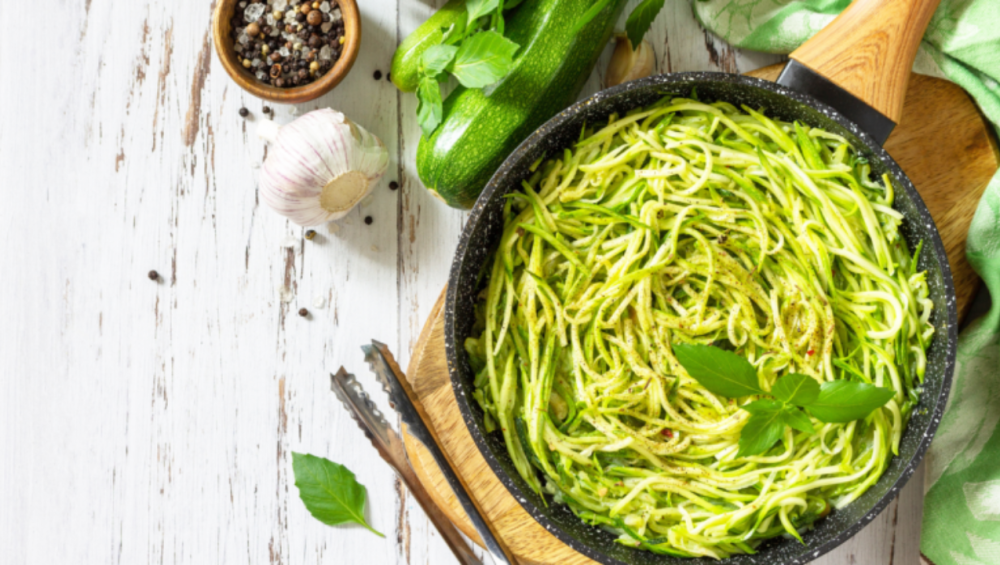
  • One of my favorite ways to add non-starchy veggies to my diet is by making zucchini noodles. You can use a spiralizer or a vegetable peeler to turn the zucchini into long, thin noodles, then sauté them in a pan with garlic and olive oil. It’s a delicious and healthy alternative to traditional pasta.
  • Another great way to incorporate more non-starchy veggies into your meals is by making vegetable skewers. Cut up various vegetables, like mushrooms, peppers, and onions, then grill them perfectly. You can even brush them with a marinade or seasoning to add flavor.
  • For a quick and easy side dish, try roasting a medley of non-starchy vegetables. Toss them in olive oil, salt, and pepper, then roast them in the oven until they are tender and caramelized. This is a great way to use up any leftover veggies you might have in your fridge.
  • If you’re looking for a more filling meal, try stuffing a bell pepper with a mixture of ground turkey, brown rice, and non-starchy veggies like mushrooms and onions. Not only is it a delicious meal, but it’s also packed with nutrients and fiber.

Why non-starchy vegetables matter

By incorporating more non-starchy vegetables into your diet, you’re not only adding variety and flavor to your meals, but you’re also doing your body a favor by stabilizing your blood sugar levels and reducing the strain on your adrenal glands. Whether you’re roasting them, grilling them, or using them as a substitute for pasta, there are so many delicious and creative ways to add non-starchy vegetables to your meals. So the next time you’re stuck in a vegetable side dish rut, remember there’s a world of non-starchy vegetables waiting for you to explore! Don’t forget to explore more of my blog posts and reach out if you have any questions. And if you aren’t already, follow along on Instagram for more hormone hacks!

beautyCategoriesEndocrine Disruptors Hormones

Why Clean Beauty Should Be Your Next Obsession

Clean beauty is all the rage and let me tell you, I’m here for it! Do you have hormonal imbalances? I’m sure you’ve explored a range of solutions to address it. From medication to diet changes, it’s easy to lose sight of the potential impact, even with something as insignificant as using conventional beauty products. But is it insignificant? Maybe not! Wouldn’t it be great if you knew that your daily makeup routine wasn’t working against your body’s natural processes? Enter clean beauty! Clean beauty encourages conscious consumerism and health that I am 100% FOR.

Hormone Imbalances

First, let’s talk about why hormone imbalances happen in the first place. Our endocrine system produces hormones. These are responsible for regulating everything from metabolism to our reproductive system. But, chemicals found in conventional beauty products can mimic these hormones. This confuses our bodies and interferes with natural processes. Parabens, phthalates, and bisphenols, widely found in beauty products, are all estrogen-mimicking chemicals. These all lead to imbalances.

Risks of Heavy Metals

On top of these risks, the beauty industry is loosely regulated. This means companies can sneak in ingredients that are harmful to our health. For example, heavy metals like lead and aluminum can be in beauty products. When these ingredients accumulate in your body over time, they can cause detrimental health issues. Maybe without you even realizing it! With no government regulation, it’s up to YOU to take control of the products you put on your skin.

Long-term Benefits

The most significant benefit of switching to clean beauty is the impact long term on your health. You’ll be reducing your body’s exposure to toxins. What better reason to go clean? In the long run this could mean:

  • Fewer headaches
  • Healthier hair
  • Healthier skin
  • Healthier nails
  • Most importantly – fewer hormonal imbalances, swelling, irritations, or allergic reactions.

Eco-Friendly

As if looking out for our health wasn’t reason enough to switch to clean beauty, there’s more. It’s worth noting that eco-friendliness is also a significant factor in this movement. By purchasing beauty products consciously, you help! You can reduce your overall environmental impact. That’s a win for everyone. Sustainable, clean beauty brands:

  • Source their ingredients responsibly
  • Use recyclable and biodegradable packaging
  • Avoid environmentally damaging ingredients like petroleum and palm oil

Accessibility

Clean beauty is becoming increasingly accessible and affordable. Meaning, there are many ways to switch without breaking the bank. Try ingredient-conscious drugstore brands if you need to when starting out. Find what works for you! But let’s face it – when you consider the potential benefits to your health, the price tag seems insignificant. Check out the evidence-based research.

My go-tos for clean beauty

  1. Glo Skin Beauty Vit-C Moisturizing tint in 5W
  2. Tartlette mascara
  3. 100% Pure Cosmetics lip and cheek tint in cranberry
  4. Tarte Glow Wand in dream
  5. Glo Skin Beauty cream blush in First Love
  6. Tarte Marajuca Glossy Lip Oil

Don’t forget to explore more of my blog posts and reach out if you have any questions!

bottledCategoriesEndocrine Disruptors Hormones

The truth: Why bottled water is bad

Here’s the truth: bottled water is BAD. Did you know that something as simple as drinking bottled water could be detrimental to your hormonal health? As a woman who has suffered from Adrenal Fatigue, I know firsthand the importance of balancing hormones and detoxifying the body. And one of the first steps that I took towards healing was ditching bottled water. Why? Because of liver and kidney toxicity, because it contains endocrine disruptors, because it is contaminated, and because it even holds trace amounts of heavy metals. Bottom line – the #1 reason I hate bottled water is that studies show that even water bottles marked BPA-free are loaded with endocrine disrupting chemicals that have enough “estrogenic activity” to complicate fertility, pregnancy, and overall hormonal health in women AND men. Evidence-based research here.

What the bottled water industry DOESN’T want you to know 

For them it’s not about hydration – it’s about marketing and money. They make money while you’re ingesting microplastics, hormone disruptors, and toxins. The minute I limited my bottled water drinking to airport travel and stuck to electrically reduced water from my medical-grade ionizer, my hormones got really happy. Let’s dive deeper. 

  1. Firstly, bottled water can cause liver and kidney toxicity. BPA, other plastic chemicals, and heavy metals are commonly found in bottled water and can burden the liver and kidneys. This reduces their ability to properly detoxify and filter the blood, leading to a buildup of toxins in your body. If you suffer from adrenal fatigue or hormonal imbalances, this can cause undue stress on your already overworked system. 
  2. Secondly, endocrine disruptors are another problem. Even those labeled “BPA-free” are loaded with chemicals that have enough “estrogenic activity” to complicate fertility, pregnancy, and overall hormonal health in women and men as I mentioned above. These endocrine disruptors can wreak havoc on our bodies and disrupt our delicate hormonal balance. 
  3. Thirdly, bottled water can be contaminated. In the past, we only heard about water-borne diseases in third-world countries. But nowadays, you can be drinking contaminated water from the comfort of your own home. “Cryptosporidium” is a parasite that can be found in store-bought bottles of water and can cause chronic or severe illness and even life-threatening symptoms in people with weakened immune systems. 
  4. Fourthly, bottled water can contain trace amounts of heavy metals. Antimony is a trace metal. It’s used in the creation of plastic water bottles and has been linked to heart, lung, and gastrointestinal diseases, as well as certain forms of cancer. These trace amounts may seem insignificant, but when added up over time, they can cause serious harm to our bodies.

Does the water you are attempting to rehydrate with matter?

Yes! Aldosterone is a hormone. It’s produced by the adrenal glands spikes during dehydration and chronic stress, causing you to retain water and increase your blood pressure (due to losing potassium and retaining sodium). When I started researching the store-bought alkaline water I was drinking and discovered all I’ve been drinking is water with added chemicals to increase the pH so the manufacturer can call it “alkaline” (genius marketing scam) I was mortified. This led me down a long road of researching water ionizers. I found one that is medical-grade (important to me!) and produces TRUE ionized alkaline water (by electrolysis!). 

What’s the solution? 

The answer is simple – invest in an at-home water ionizer. The one I use in my home produces living, alkalized water and has free-radical fighting and antioxidant power. This is the type of water I want for myself and my family. Not only does alkalized water help detoxify the body, but it can also balance hormones and improve overall health. Don’t forget to explore more of my blog posts and reach out if you have any questions!

chiaCategoriesHormones Nutrition

Hormone hack: Chia seeds

Hormone imbalances can wreak havoc on a woman’s body. So many conditions, ranging from PCOS to PMS, are rooted in blood sugar dysregulation. Thankfully, a 2019 study has found that one simple diet hack can help: adding a serving of Chia Seed Pudding to your daily routine. Yes, you read that right! Chia Seed Pudding can help improve blood sugar, cholesterol, blood pressure, and even immunity. Who knew that such small seeds could pack such a punch?

How this hormone hack works + chia seed benefits

Chia Seeds are high in fiber, specifically soluble fiber. This type of fiber binds to the sugar molecules in our food, slowing down their absorption and preventing spikes in blood sugar. Additionally, Chia Seeds contain alpha-linolenic acid, an omega-3 fatty acid that has been shown to improve insulin sensitivity. Insulin sensitivity is crucial for healthy blood sugar levels, and it is often compromised in those with hormone imbalances. But it’s not just the soluble fiber and omega-3s in Chia Seeds that make them beneficial for balancing blood sugar. Chia Seeds also contain antioxidants that help protect cells from oxidative stress (hello inflammation). This can then contribute to insulin resistance and blood sugar dysregulation. By reducing oxidative stress, we can help support healthy blood sugar levels.

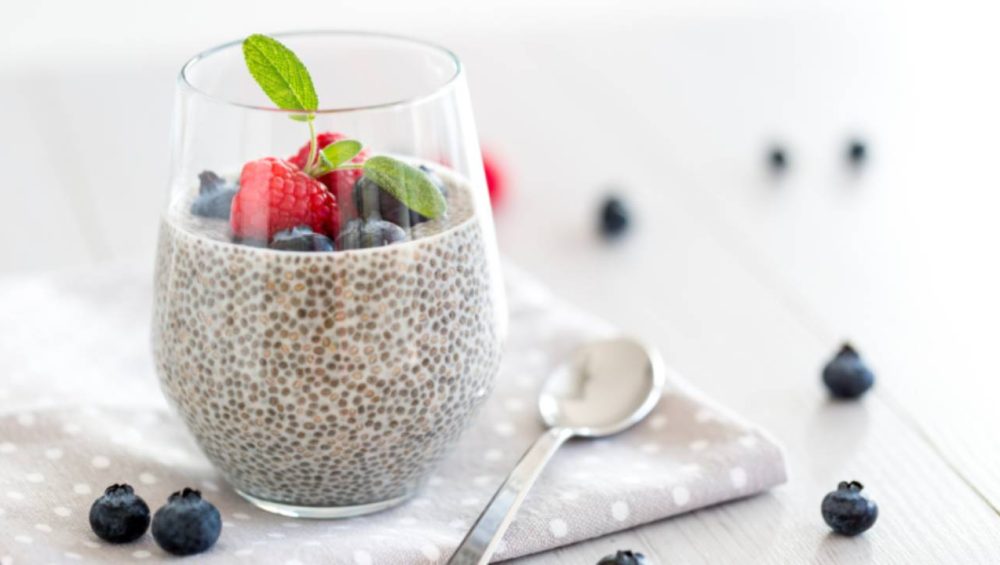
Chocolate Covered Cherry Chia Seed Pudding Recipe

Now, let’s talk about the pudding part. Chia Seed Pudding is an easy, oh-so-yummy way to incorporate these super seeds into your daily routine. Plus, it’s incredibly easy to make. Simply mix chia seeds with your milk of choice (dairy or non-dairy), add a sweetener like maple syrup or honey, and let it sit overnight. The result is a creamy, nutritious pudding. Have it for breakfast, a snack, or even dessert – or use the recipe below!

  • 1c. Unsweetened almond milk
  • 1c. Frozen cherries
  • 2 Pitted, chopped dates
  • 3 tbsp Chia seeds
  • 1 tsp Cacao powder

Blend in a high-speed blender until completely smooth and refrigerate for one hour or overnight.

Additional Benefits

But the benefits of Chia Seed Pudding don’t stop at blood sugar regulation. As previously mentioned, chia seeds are also great for cholesterol and blood pressure. Soluble fiber helps reduce LDL cholesterol levels, while the magnesium in chia seeds can help lower blood pressure. And don’t forget about the immunity boost (Vitamin C and zinc)! The high fiber, omega-3s, and antioxidants in chia seeds make them a superfood for those with hormone imbalances. So, go ahead and try this hormone hack for yourself. Don’t forget to explore more of my blog posts and reach out if you have any questions.

metalCategoriesEndocrine Disruptors

Heavy metal detox: yea or nay?

Adrenal Fatigue is a real issue, and many women experience it at some point in their lives. From feeling fatigued all the time to struggling with mood swings and irregular periods, this condition can severely impact your quality of life. But did you know that heavy metal toxicity could be the missing piece in your Adrenal Fatigue puzzle? It is for so many of my patients! It’s my job to DIG through the research according to your health history and present symptoms to uncover the root cause.

A vicious cycle 

I have a theory. When we consume conventionally processed beef and poultry, farm-raised fish, get a tattoo, drink bottled water, have copper pipes in our home, and use synthetic personal care products, the residual metals will build up in our liver. The problem is that your CBC returns normal, so your GP doesn’t know what to do next. Too many heavy metals put your nervous system under attack, throw your hormones out of whack, and can, in a word, leave you feeling awful. Sometimes, your symptoms can mimic Adrenal Fatigue; other times, it feels like you have Hashimoto’s. 

Heavy metals toxicity signs: 

  • PMS
  • Weight-gain
  • Difficulty concentrating
  • Fatigue
  • Lack of motivation
  • Low libido

Estrogen and testosterone

Two of the most commonly affected hormones by heavy metal toxicity are estrogen and testosterone. Heavy metals burden your liver’s ability to detoxify properly, leading to estrogen dominance and low testosterone. Fortunately, dozens of amazing functional labs can determine if you are dealing with heavy metal toxicity, and one of my favorite labs is hair analysis.

Should you cleanse or detox?

When you have Adrenal Fatigue, losing weight is a REAL B – am I right? Detoxes and cleanses don’t work long term. These solutions only work short-term and may even backfire. Working out longer and more often can also backfire and spike cortisol levels. If you want balanced hormones, it’s worth taking the time to test your body for heavy metals. You could make yourself batty trying to figure this out without a functional medicine practitioner guiding you. However, if you feel that a “detox” is the one thing you need to reset your body to lose weight, how about doing it in a safe, gentle and effective way? Here’s how: 

  1. A couple of caps of activated charcoal/per day with exercise can bind to toxins and package them up for elimination.
  2. Chelation is a great tool to use if you’ve identified your exposure level to heavy metals is off the charts.
  3. 15-20 minute sessions of burst training are effective enough to get your heart rate up and toxins flushed out.
  4. Around 800mg of liposomal glutathione will help rid your liver of mold and metals.
  5. 30-45 minute sweat sesh in an infrared sauna session will flush out residual plastic and metals.

How does heavy metal toxicity happen?

One of the most common sources of heavy metal exposure is through fish consumption. While fish can be a great source of omega-3s and other nutrients, it’s essential to choose wisely. Wild-caught, low-mercury fish like salmon and sardines are the best option. If you’re going to eat other fish, make sure you’re aware of the mercury levels, and try to stick to 2-3 servings per week. Another overlooked source of heavy metals is personal care products and cosmetics. Many of these products contain heavy metals like lead, mercury, and arsenic, which can accumulate in your body over time. You can reduce your exposure by choosing products with natural ingredients and avoiding those with unnecessary additives.

Test don’t guess!

Heavy metal toxicity is a real issue and can severely impact your hormone balance and overall health. If you’re struggling with Adrenal Fatigue or other hormone imbalances, testing for heavy metals may be the missing piece in your puzzle. By choosing low-mercury fish, natural personal care products, and getting a hair analysis, you can reduce your exposure and find the balance you need to feel better. Don’t forget to explore more of my blog posts and reach out if you have any questions.