oil2CategoriesD.I.Y Remedies Hormones

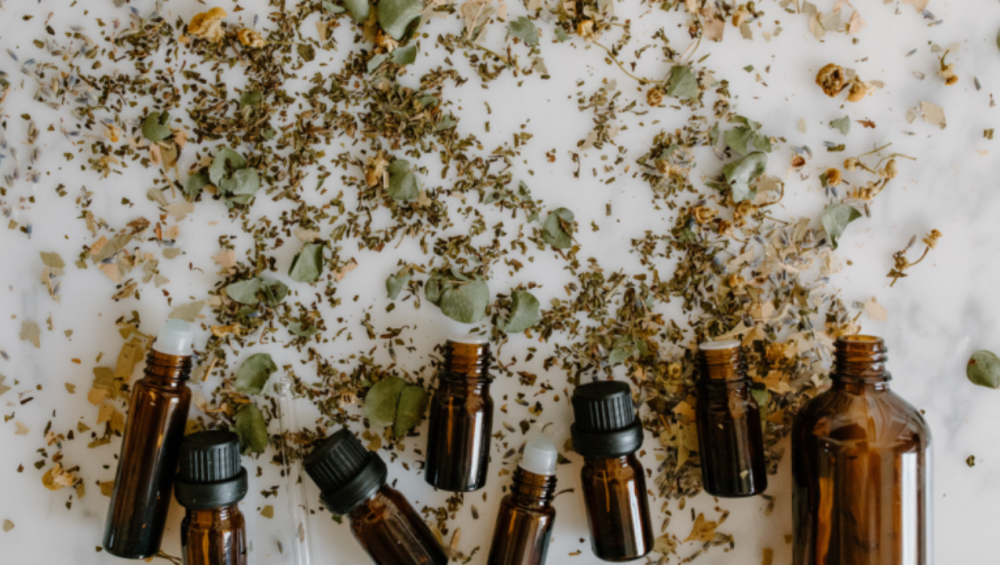
Essential Oils For Beginners Part 1

When my first child was only four months old, he started struggling with teething pains. The tiredness from constantly seeing my baby crying in pain led me to explore more natural remedies. That is when I discovered the untapped power of essential oils—marking the start of a fascinating journey. For some background, I knew about essential oils from childhood. I was exposed to them and used them occasionally. Fast forward to my adult life, I didn’t give them much thought—all that changed when I became a new mom.  A friend from chiropractic school (yes, in addition to being a board certified doctor of natural medicine, I also went to chiropractic school!) introduced me. What I found was Copaiba (in addition to so much more – more on that below!). It’s an oil known for its anti-inflammatory properties. It emerged as a lifesaver for teething pain! *Friendly reminder that I am not your doctor, and this not medical advice. This is what worked for my family. 

How to get started in Essential Oils

On my new journey into essential oils, I learned that they are not only for aromatherapy, contrary to common belief. Remember, they worked great for teething pain! EOs have many incredible benefits. If you take away anything from this blog post – take away this: all essential oils are NOT the same. With just a small investment in glass bottles and essential oils, in no time at all, you will not only see an ROI in your wallet but also in you and your family’s health!  BUT, remember to only purchase therapeutic grade essential oils. It doesn’t matter what brand as long as the oils are ethically sourced, are 100% pure and that the companies have transparent 3rd party testing (yes, you can ask!). To get started, invest in some carrier oils – almond, avocado, fractionated coconut, evening primrose and jojoba are all great carrier oils you can use to dilute your EO blends as you work your way to a level you tolerate best. Purchase some mini blend bottles and rollers, all available on Amazon of course. Understanding the science behind essential oils added another layer to my fascination. You can apply essential oils topically, inhale them, or ingest them. They reach every cell in the body in just 20 minutes. This speed is remarkable. It shows the importance of picking a brand that focuses on quality. If essential oils significantly impact your body, purchasing the best of the best is common sense!  

My favorite beginner EOs

Still think Essential Oils are just a lot of hippie dippie hocus-pocus? (It’s all gravy — I used to think the EXACT SAME.) That is until I did a deep dive into their history, individual properties and uses for them. ENTER: Clary Sage – it’s one of my favorite oils to recommend as any part of a woman’s treatment plan because it heals adrenal glands, lowers cortisol AND is a natural anti-inflammatory and anti-depressant. Here are the two I recommend the most to get started with.

  1. Clary Sage – An essential oil no woman should be without for a number of reasons but my favorite? It’s the ultimate hormone balancing essential oil. Clary Sage in its rich history brings us the ability in this modern day and age to regulate estrogen. How cool is that? Have estrogen dominance and hormones that are out of whack? Give Clary Sage a try.
  2. Ylang Ylang – The numerous antioxidants in Ylang Ylang essential oil calm your brain and promote total body relaxation by reducing stress (reduces cortisol!). I love Ylang ylang essential oil so much that I place a few drops on my wool dryer balls so my sheets smell super yummy. Talk about the best sleep EVER. That’s why it’s part of my special blend of essential oils designed to balance hormones.

Can essential oils REALLY assist in getting your cortisol back on track?

What started as a quest for relief for my teething baby became a deep exploration of the whole-body benefits of essential oils. It was the natural choice for me and my family. What many don’t know is that there are several stages to adrenal dysfunction and fatigue/burn-out is the last. Can essential oils REALLY assist in getting your cortisol back on track? Research shows if you have elevated cortisol, you can diffuse 2-3 drops each of lavender and rosemary essential oil to help regulate it. I have yet to work with a client whose symptoms aren’t somehow related to an adrenal issue! Give it a try today! Don’t forget to explore more of my blog posts and reach out if you have any questions.
oil1CategoriesD.I.Y Remedies Hormones

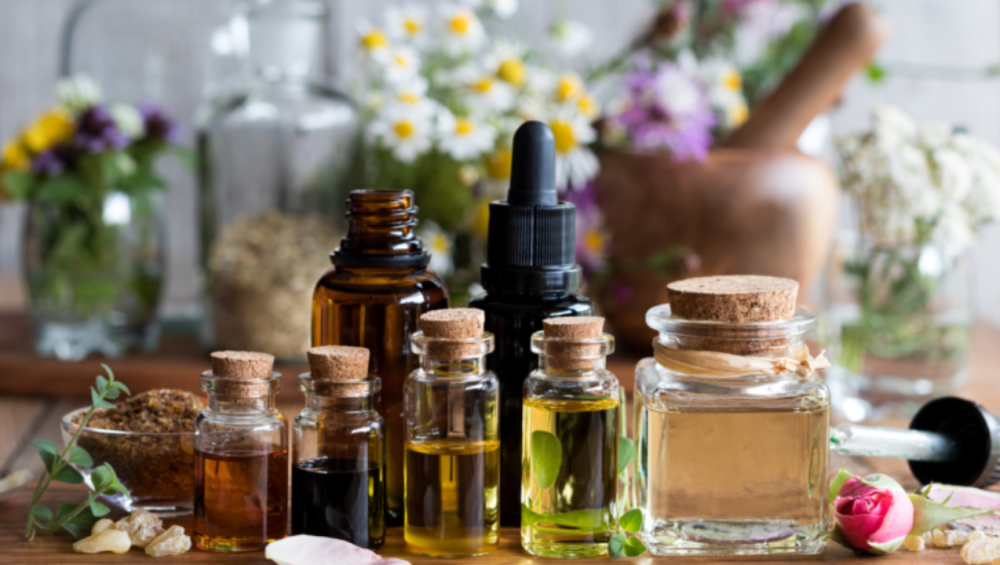
Essential Oils for Beginners Part 2

As a long-time lover of essential oils, I am thrilled to share my transformative experiences with them in this blog post part 2! If you missed part 1, check it out here. As a functional medicine doctor, I have profound insights into natural wellness and I am here to tell you fascinating science underlies our skin’s surface. It shows that essential oils are fat-soluble. This means these vital oils cross the bilayer, entering the lymphatic system. This highlights the significance of using high-quality oils, ESPECIALLY for hormone balance, considering they quickly integrate into the body.  A revelation unfolds when you start looking at essential oils as digestive allies. Unsurprisingly, many Americans suffer from leaky gut, but essential oils can bypass digestion. This is a total game-changer. I frequently use these oils in my practice. They offer a way to balance body systems. They do so without being hindered by gut issues. Remember, essential oils cross the blood-brain barrier. Like alcohol and drugs, essential oils affect the brain. This emphasizes the necessity of choosing high-quality oils committed to stringent quality control. I gave you some good oils to start with in Part 1, and today I want to talk about Frankincense, Lavender and why you should ditch that perfume (sorry, Sis!).

Frankincense: The Investment Oil

Frankincense has a heftier price tag than many other oils, but for good reason. Frankincense has proven benefits. It is a staple for those seeking neurological support. The sticker price is tiny compared to the life-changing impact this oil can have. From reducing stress and anxiety to aiding in pain relief, there is not much this oil can not do! Give it a try! 

Lavender for an energy boost

Studied and documented, the frequencies of oils significantly impact their therapeutic effects. This fact is astonishing. It is especially so for beginners in the world of essential oils. Lavender, for instance, is an adaptogenic oil that responds to individual physiology. I use lavender for an energy boost. I do this in the morning because it is adaptogenic. This means it aids the body in adapting to stressors and maintaining balance, making it a perfect way to start the day.

Go all in and ditch the perfume!

Now here’s the fun part – As I started to research essential oils as perfume, I came across something that was truly SHOCKING – most women don’t consider perfume as part of a clean-beauty routine. Meaning, makeup and skincare. That’s it. They just aren’t aware of the toxins in perfume because the labeling is misleading. So just a REMINDER – Phthalates consistently come up as one of the top ingredients to avoid and lo and behold, most perfumes are full of them. Even Time Magazine reported on this! Phthalates have been attributed to causing a number of health issues including developmental disorders, poor lung function, polycystic ovarian syndrome, problems conceiving, hormonal imbalances and more. And yet, we’re literally spraying them onto our bodies and rubbing them in. Essential oils contain a whopping ZERO harmful ingredients, so why wouldn’t you opt for them? Here are my favorites to use as perfume.

  • If you’re into florals, try out jasmine, lavender, rose, and ylang ylang and see which one suits you best.
  • Cedarwood and sandalwood are great for those of you that want something more woodsy.
  • Bergamot is a great option for earthy, citrus lovers.

EOs can not only boost your health and improve your home, but they also reduce overall toxicity and your toxic load. Stay tuned for Part 3!

oilsCategoriesFunctional Medicine Hormones

Essential Oils for Beginners Part 3

Navigating the world of essential oils is like starting a journey into nature’s pharmacy. Today, I want to share some of my favorite blends and concoctions, part 3 of this 3-part series. If you missed post 1 and 2, check them out here and here. EOs have become staples in my household for a long time, and for good reason. They offer not only delightful, nontoxic smells but also powerful wellness benefits. There are so many Essential Oil uses! Essential oils are just a part of everything here at the LeBlanc household from cough-and-cold remedies, to homemade cleaning products, perfume and body creams (and of course a super yummy smelling home!). Let’s dive into everything you can create with the powerhouses of EOs! 

Two of My Current Favorite Essential Oil Blends

C’mon Get Hormone Happy Grapefruit

  • 2 drops Lemon
  • 2 drops Vanilla
  • 2 drops Grapefruit
  • If using a mini jar – just follow the recipe and fill with your favorite carrier oil of choice. If using a roller – double the recipe and fill the roller halfway with carrier oil.

Groove is in the Heart of Hormone Balance

  • Lavender – 2 drops
  • Orange – 2 drops
  • Jasmine – 1 drop
  • Using a rollerball, dilute EO’s with sweet almond oil (or fractionated coconut oil) to preference (I actually double the recipe and add teaspoon of carrier oil because I like it strong!).

Humid Environment Hack 

As a family living in Louisiana, we put up with a great deal of humidity. It prompted me to create something I call “Sweetie Cream.” This involves blending coconut oil with a teaspoon of organic beeswax over hot water. The beeswax helps maintain the cream’s consistency in a humid environment. It is a great little hack if you live in a warmer climate because it allows the cream to hold its consistency. After I create the cream, I add whatever oils I desire! 

Immune Support for Little Ones

As a mom, keeping my little one’s immune system strong is a top priority. I turn a Thieves oil bottle into a rollerball. I mix one-third Thieves oil with two-thirds coconut oil. This rollerball becomes our go-to during seasonal transitions. We also use it when we need immune support. We apply it to our feet before heading out. We also utilize it when we return home. It has led to fewer sick days for my little ones! 

Aromatic Perfume with a Purpose

Say goodbye to commercial perfumes loaded with endocrine-disrupting chemicals. I’ve replaced them with a delightful blend of Ylang Ylang and Grapefruit in a rollerball. Ylang Ylang supports female hormones, while Grapefruit adds an awakening touch. It’s not only a perfume; it’s a mood-enhancing, toxin-free experience!

Nature’s Powerful Multi-Purpose Solution

Thieves Cleaner from Young Living is a game-changer in household cleaning. I dilute it with water; a capful is all it takes to create a potent, multi-purpose cleaner. This natural solution keeps my home clean. It also replaces harsh, toxic options. Thieves Cleaner has become my go-to. I use it for everything from countertops to showers. It offers a cheap and eco-friendly way to clean.

A Healthier Home

Essential oils go beyond pleasant aromas; they are potent tools for holistic well-being. As a mom and a practitioner, I’ve seen the excellent impact of using these oils daily. We utilize them for crafting blends, boosting immunity, and cleaning the home. They offer a natural and effective way to reduce toxins. They also support the immune system and enhance wellness. If you’re intrigued by using essential oils, I invite you to explore them. Essential oils are a great way to dip your toe into the world of natural wellness and healing. Let the aromatic adventure begin! Don’t forget to explore more of my blog posts and reach out if you have any questions.
utchCategoriesFunctional Medicine

The DUTCH Test: The Ultimate Hormone Solution

Hormonal imbalances are increasing in women, causing irregular periods, mood swings, fatigue, weight gain, and more. Poor eating habits, exposure to toxins, and stress can create these imbalances, leading to significant health problems. If you’re reading this, you probably know that. I always tell folks to work with a functional medicine practitioner to TEST and not GUESS the root cause of any hormone imbalance. And then y’all ask me what test to ask for specifically. And today I’ll tell you. There is a test that can provide valuable insights to understand the complete picture of hormones!

The DUTCH test

For most of my clients, I run the DUTCH test. Why do I love this test so much of all of the functional labs we do in my practice? I’ll tell you – it gets results! It gives you a crystal clear picture of what is happening hormonally. And it gives us a really good stepping stone off to where we need to go in terms of attacking how we feel from multiple directions.  Picture this… If you went to your physician and you were complaining of anxiety and low libido, they’d probably do a blood test, right? That’s a classic way of analyzing a patient’s symptoms. Well, the DUTCH test is actually urinary testing.  The Dried Urine Test for Comprehensive Hormones (DUTCH test) is a functional medicine test designed to assess hormone imbalance. The test measures hormones and hormone metabolites from dried urine samples. Instead of measuring only a particular hormone and its average level, the DUTCH test shows how the body metabolizes hormones. It provides information about cortisol levels, estrogen metabolites, progesterone, and testosterone levels.

A cortisol problem 

Estrogen and progesterone are like a pendulum swing. If you’ve got high estrogen, sometimes you’ve also got low progesterone, and ironically, the testosterone is in the normal range. Here’s the whole point of diving in – I want to see cortisol, ladies! I have yet to work with a woman who doesn’t have an issue with cortisol, meaning making too much of it – elevated cortisol – or making none of it.  Lower cortisol is very common among women because it’s an adrenal issue that is often masked as other things. Meaning you go to the doctor and you have the same symptoms – it’s almost ironic that you can have symptoms of hypothyroidism! But really, it’s lower cortisol, it’s the HPA axis – you guys, these symptoms overlap! 

The DUTCH test tests your cortisol over an entire day

There’s so much information from this test that you wouldn’t get from a blood sample. The DUTCH test is a comprehensive examination of the body’s hormone levels, indicating not just hormone status but the underlying hormonal issues that cause symptoms. Hormones are metabolized in the liver, and findings from the DUTCH test reveal how well the liver functions. This test provides vast information, including cortisol levels during stress, adrenal gland monitoring, neurotransmitter production, and sleep. Understanding these issues can give women the insight they need to know why they are experiencing hormonal imbalances and the right approach to a new wellness routine. I highly encourage any of you ladies out there, whether you just had a baby six months ago, had a baby 16 years ago or never had a baby at all – if you’re not feeling like yourself, get tested. Don’t forget to explore more of my blog posts and reach out if you have any questions.

addictionCategoriesHormones

Recognizing the Addiction to High Cortisol Levels

We talk a lot about how it FEELS to have High Cortisol. BUT what about how it looks on the outside? After college I was seriously grinding in the corporate world and commuting 3 hours a day. I was sick all the time. It would be another 20 years before I understood that my stressful life was causing my body to use up all my Cortisol so my adrenal glands were then using up other hormones, especially progesterone to keep up with the demand of STRESS.

  • FYI: High Cortisol FEELS like: Tired but wired, exhausted even after sleeping, anxious, zero seggs drive, PMS and mood swings
  • FYI: High Cortisol LOOKS like: Stretch marks, slowly healing wounds, hump at the back of your neck (dowager’s hump) and a flushed, rounded face.

How to tell if you’re addicted to high cortisol

  1. Your Morning Rituals are rooted in reactivity — You wake up and immediately your fingers are drawn to your phone. You’re checking emails or lost in the sinkhole of social media. This instant bolt of information acts as an artificial sunrise that kickstarts the cortisol surge.
  2. Breakfast — An Omission Fueled by Caffeine — Coffee becomes more than a beverage; it is your sustenance for the trek to work. The thought of solid food doesn’t even cross your mind amidst the grind of getting to your desk. This habitual fasting may be teetering on stress, not wellness.
  3. The Deskbound Dining Experience — Lunchtime is simply another task in your calendar, often ignored for productivity’s sake. A grab-and-go meal at your desk amid the tap-tap-tap of the keyboard underlines the absence of a true nourishing break.
  4. Evening Rituals Centered Around Alcohol — Each night, unwinding is synonymous with wine. That glass of alcohol becomes the signal to decompress, yet unbeknownst to you, it’s possibly perpetuating the very cycle you wish to break.
  5. Leisure Time — A Parade of Passive Stimulation — How do you unwind? Is it passive consumption of screen after screen, Netflix rolling in the background as you scroll through TikTok? This is NOT the downtime your body and mind genuinely need.

Tips to Lower Cortisol

For us women grappling with hormone imbalances, recognizing these patterns isn’t an invitation for self-rebuke, but rather the first step toward transformation. Learning to self-regulate and lower cortisol has been a true awakening for me. It’s not merely about suppressing the joy or exhilaration that a high-paced lifestyle offers; it’s about discovering a sense of vitality and relaxation that isn’t fueled by external stressors.

The process involves concrete strategies to recalibrate your body’s response to daily stimuli. Simple changes like mindful mornings, regular meals savored away from work, and relaxation techniques that don’t depend on screens or spirits can realign both your cortisol levels and overall wellbeing. Seriously – understanding how to self-regulate and lower cortisol has been one of the greatest gifts I gave myself. It has literally changed how I relate to people and most importantly how I SHOW UP to the people who matter most (more on that below). ALSO – Don’t forget to make and MEET a morning protein goal. Eat a savory breakfast within an hour of waking that consists of 30-35g of protein to maintain blood sugar balance and kick afternoon fatigue and cravings to the curb.

Polyvagal Theory

We know from the Polyvagal Theory created by Dr. Stephen Porges that our nervous system, physiological responses, and emotional responses intertwine which is why breathwork, humming, gargling, singing, rebounding, bouncing and vibrating WORKS. I love combining breathwork with Lime Essential Oil because I immediately feel uplifted and I know using EO’s can get a little “woo-woo” for some us but thankfully there’s research to back up why this combo works (PMID: 37175176; PMID: 36552586) And if breathwork isn’t your thing – diffuse your favorite citrus essential oil while you bounce or vibrate! P.S. just make sure whatever essential oil you choose is therapeutic grade and organic, if possible.

As the old adage goes, knowledge is power. Understanding the signs of cortisol addiction is the springboard to a more harmonious life, and from there, the possibilities of balance, health, and true relaxation are endless. If you’re done running the relentless racetrack and yearning to redefine your relationship with day-to-day pressures, join me in this conversation. It’s time to refashion our routines into something more sustainable and gentle on our bodies.

Remember, the greatest gift you can give yourself isn’t another spin class or latte; it’s the gift of balance. And as always, I’m here sharing my experiences and learning from yours as we journey together towards peace and equilibrium.

Don’t forget to explore more of my blog posts and reach out if you have any questions.


The information provided in this blog post is for informational purposes only. The information is a result of years of practice and experience by Dr. Francesca LeBlanc. However, this information is NOT intended as a substitute for the advice provided by your physician. Do not use the information provided in this post for diagnosing or treating a health problem or disease, or prescribing medication or other treatment. Always speak with your physician or other healthcare professional before taking any medication or nutritional, herbal or homeopathic supplement, or using any treatment for a health problem. Please, do not disregard professional medical advice or delay in seeking professional advice because of something you have read on this website.

insomniaCategoriesFunctional Medicine

The Top Three Causes of Insomnia in Women

Are you tossing and turning at night, struggling to drift into a peaceful slumber? Insomnia isn’t just an annoyance; it’s a puzzle many women are desperately trying to solve. While various factors can disturb sleep patterns, three root causes frequently emerge in the spotlight—serotonin, cortisol, and progesterone. Let’s unravel the mysteries of these sleep saboteurs and look at simple yet effective steps to reclaim those precious Zzz’s.

Low SEROTONIN and the Sleep Connection

Many women are unaware that the gut is a secret ally in cultivating good sleep. With over 80% of serotonin production happening in your gut, what you consume has a direct impact on your sleep quality. Serotonin is the precursor to melatonin, the hormone responsible for a restful slumber. Unfortunately, diets high in sugar, processed, and fast foods undermine your gut’s ability to produce sufficient serotonin.

Without ample serotonin, you simply won’t have enough melatonin to guide you into a restful night’s sleep. Making conscious diet choices that favor gut health can be the first step to improving your sleep cycle.

High CORTISOL and Its Impact on Rest

If your life is a carousel of work, kids, cleaning, laundry, cooking, kids activities then your high cortisol levels may be wrestling away your peace at night. The relationship between elevated cortisol and low serotonin is a cyclical catastrophe. Producing excessive amounts of this stress hormone can suppress serotonin levels, further crushing the chances of converting serotonin into sleep-promoting melatonin. Finding ways to decompress and destress can break this cycle, ushering in more tranquil nights. You can try ditching the wine to relax at night and avoiding screens two hours before bed. I have a nighttime routine (which includes writing in my gratitude journal) and I swear by it.

Low PROGESTERONE and Its Monthly and Lifelong Effects

For many women, the premenstrual dip in progesterone is synonymous with sleep disturbances, mood swings, and irritability. However, if these symptoms persist throughout the month, it could be indicative of consistently low progesterone levels. This hormone not only plays a key role in the menstrual cycle but also in maintaining a stable sleep pattern.

To weave serene nights back into your life, consider these five steps for hormone harmony:

1. Omega-3 Foods 🐟

Infuse your diet with omega-3-rich foods such as wild salmon and walnuts to support hormone development. For those who prefer supplements, Pro-Omega D-2000 is a recommended choice.

2. Dark Greens 🥬

Magnesium-packed greens like kale and spinach can be your nightly lullaby. If greens aren’t your thing, Reacted Magnesium supplements may do the trick.

3. Zinc Foods 🎃

Incorporate pumpkin seeds for a plant-based zinc boost or turn to oysters and beef for animal-based options. Improved sleep might be just a supplement away with Reacted Zinc.

4. Vitamin-C Fruits 🍊

Indulge in Vitamin C powerhouses like oranges, kiwis, and bell peppers to put the brakes on cortisol production. Or, simplify with a Liposomal C supplement.

5. Movement 🏋️‍♀️

Exercise consistently outperforms anti-depressants in clinical trials, boasting its serotonin-boosting benefits. It’s a way to increase serotonin levels naturally and sustainably.

Takeaway

Navigating through the tangled web of insomnia triggers can be both overwhelming and disheartening. However, being mindful of these hormone-tied challenges opens up pathways to better sleep. By integrating wholesome foods, supplements, and daily exercise into your routine, you may be able to soothe the complexities of sleeplessness and step into a world of nightly tranquility. Remember, restoring balance is a gradual process – patience and consistency are your best friends on this quest for restful nights. 🌙✨

This blog post provides general information and discussions about health and related subjects. The information and other content provided in this blog, or in any linked materials, are not intended and should not be construed as medical advice, nor is the information a substitute for professional medical expertise or treatment. If you or any other person has a medical concern, you should consult with your health care provider or seek other professional medical treatment. Always consult with your healthcare provider before starting a new supplement. 

Don’t forget to explore more of my blog posts and reach out if you have any questions.

hacksCategoriesHormones

My 10 Favorite Hormone Hacks

Hormonal imbalances can sneak up on us. And honestly, disrupt our day-to-day lives. You may not even notice some imbalances! Well, fear not! I got you. There are simple yet effective ways to keep our hormones happy and our bodies in balance. From the foods we eat to the items we use daily, small changes can lead to significant improvements in our well-being. Here are my personal top 10 hacks for managing hormones:

1. Swap Sugar with Plant-Based Alternatives

Why not sweeten your life naturally? Switch your usual white sugar for something kinder to your blood sugar levels like Stevia or Monk Fruit. These sweeteners come from plants and are often many times sweeter than sugar, meaning you need less to achieve the same level of sweetness. Your cocktails, coffee, or tea will thank you, and your body will experience less of those harsh sugar spikes.

2. Supplement with NAC

N-acetyl cysteine (NAC) might be the helping hand your body needs. This powerful compound supports detoxification, balances insulin, and reduces inflammation. Plus, it’s a superhero when it comes to alleviating PMS symptoms!

3. Rethink Your Deodorant

Are you inadvertently applying hormone disruptors straight to your skin? Many deodorants contain Parabens, Phthalates, and Fragrance, all of which can mess with your hormonal balance. Often used as preservatives, parabens can mimic estrogen in the body, leading to hormone disruption and potential health risks. Phthalates are chemicals are used to make fragrances last longer, but they can interfere with hormone function and negatively impact reproductive health.Check your labels and opt for cleaner brands like Humble or Hey Humans.

4. ACV for Blood Sugar Balance

Before stepping out for that dinner party, consider a glass of water with a capful of apple cider vinegar. Not only does it help balance your blood sugar, but it also increases insulin sensitivity — a small step with substantial benefits.

5. Identify Your Stress Signal & Dry Brush

Stress influences our hormones dramatically, so it’s essential to know what sets off your stress response. It could be traffic, a tight deadline, or even social situations. By recognizing these signals, you can better manage your reactions and maintain hormonal harmony.

Much in the way that massage can shift your nervous system OUT of a fight-flight stress response and into a rest-relax state, so can dry brushing. Add this to your stress management tool box for when you need to switch things up.

6. Snack on Almonds

Almonds are not only deliciously crunchy but also rich in fatty acids that help stabilize blood sugar. Since almonds are rich in monounsaturated fatty acids (good fats) — they work to slow the rate at which sugar (glucose) is released into your blood. Enjoy them as a snack, and keep that glucose release steady. This is great news for patients who are not only struggling to manage their blood sugar, but are also struggling with Insulin Resistance and/or PCOS.

7. Morning Salt Water Ritual

Starting your day with a pinch of salt in your first glass of water can be a game-changer. You’ll not only rehydrate but also support your adrenal glands — your body’s stress managers. (But PLEASE pass on the traditional table salt! It’s refined sodium chloride, devoid of minerals). Instead, opt for Celtic Sea Salt or Pink Himalayan Salt.

8. Optimal Vitamin D3 + K2 Supplementation

Especially during the darker months, Vitamin D can drop to concerning levels. Work with your healthcare provider to find the right dose for you and consider high-quality supplements to keep your levels optimal.

9. Ditch Synthetic Scents

Fragrance is not your friend. Often, it’s a cocktail of chemicals like acetone and ethanol, known endocrine disruptors. Fresh air is the best aroma, so say goodbye to artificial scents in air fresheners and candles. Did you know manufacturers are not obligated to disclose to the consumer what makes up “fragrance.” The EPA tested fragrances for chemicals in 1991 and found a list of the following chemicals in perfume: acetone, benzaldehyde, benzyl acetate, benzyl alcohol, camphor, ethanol, ethyl acetate, limonene, linalool and methylene chloride – all known Endocrine Disrupting Chemicals.

10. Dark Chocolate = Lower Cortisol

Who knew that indulging in dark chocolate could help manage stress hormones like cortisol? Plus, you’ll curb those late-night sugar cravings. Try my favorite, Hu Crunchy Mint, for a tasteful treat.

Bonus Hacks:

  • Slip into a playlist of Binaural beats for brain harmony and Vagus nerve engagement — the ultimate relaxation highway.
  • Keep sunflower seeds handy for a quick serotonin boost, thanks to their Vitamin B6 content. They’re convenient and easy to stash everywhere.

Implementing these tips will not just assist in regulating hormonal activity but will also contribute to overall health improvement. Remember to introduce changes gradually and consult with a healthcare professional if you’re considering supplements or significant lifestyle adjustments.

Your hormones are powerful messengers; treat them kindly, listen to their signals, and find your balance with these favorite hacks. Here’s to a hormonally harmonious you!

*Always remember to discuss any significant dietary or lifestyle changes with your healthcare provider, especially when introducing new supplements.

Don’t forget to explore more of my blog posts and reach out if you have any questions.

breakfastCategoriesNutrition

How to Boost Your Energy with a High-Protein Breakfast

Do you find yourself succumbing to an energy crash only hours after the day has begun? If you’re nodding in weary agreement, you’re not alone. Many women contend with hormonal imbalances that exacerbate this mid-morning or afternoon fatigue—but there’s hope. A simple tweak to your breakfast routine could be your ticket to sustained energy throughout the day. Yes, really!

The Secret to Avoiding Energy Slumps

The mysterious culprit behind your energy dip might be a lack of sufficient protein at the start of your day. I’ve walked this weary path myself, struggling with the rollercoaster of highs and lows until I discovered the power of a protein-rich breakfast. What a game-changer! Since protein takes longer to break down than carbs (sorry – no sugary muffins allowed), your blood sugar stays nice and stable (no dips in blood sugar = no cortisol needed to raise blood sugar back up).

It’s time to subscribe to the K.I.S.S. principle—Keep It Stupid Simple—and kick off your morning with a protein punch! Here’s why and how.

Eat a savory breakfast within an hour of waking that consists of 30-35g of protein to maintain blood sugar balance and kick afternoon fatigue and cravings to the curb.

The Impact of Protein on Hormonal Health

Protein isn’t just a building block for muscles—it’s integral for hormone health. For women grappling with hormonal imbalances, protein can be a stabilizing force, steadying blood sugar levels and staving off those unwelcome energy crashes. Starting your day with a high-protein meal sets a solid foundation, ensuring your body has the essential nutrients it needs to maintain balance.

A Protein-Packed Breakfast

If the thought of consuming 35 grams of protein seems daunting—equivalent to devouring 5-6 eggs—don’t fret! You can easily meet this goal with a few strategic choices. Take this vibrant smoothie recipe, for instance. It’s not only delicious but also a convenience if you’re often on the go.

Option #1

  • 1-2 scoops of your preferred protein powder (check my Amazon shop for my favorite plant-based, grass-fed whey, or bone broth powders)
  • 1 tablespoon almond butter
  • 1 cup frozen raspberries
  • 1.5 cups water or nut milk of choice
  • Blend these together for a creamy, protein-rich smoothie that’ll keep you energized and satisfied.

Alternatively, consider this warm and comforting option.

Option #2

  • Reheat six ounces of last night’s protein—chicken, beef, fish—in the air fryer.
  • Wrap it in an egg, almond, or cassava flour tortilla.
  • Add your toppings of inspiration, whether it be avocado, lettuce, tomato, or cheese.
  • This wrap is a formidable foe against any energy slump, offering you a wholesome, protein-packed meal that feels both nourishing and indulgent.

The One-Week Challenge

Here’s my friendly challenge to you: Give this high-protein breakfast strategy a try for one week straight. Yes, just one week—that’s all I ask. If you typically experience a crash later in the day, this single change could offer a dramatic improvement.

Devoting one week to this experiment is feasible for everyone, and I’m confident that the results will speak for themselves. Once you feel the difference, it won’t just be a mere change—it’ll become a lifestyle you’ll want to stick to permanently.

Conclusion

Don’t resign yourself to a cycle of fatigue and frustration. Small adjustments in your diet, particularly at the start of your day, can wield significant influence over your overall well-being. Tapping into the power of protein could revolutionize your mornings, banishing those energy crashes to a distant memory.

Rise, shine, and dine—on a breakfast that empowers you to seize the day with zest and vitality.

Remember, this isn’t just about eating differently; it’s about transforming the way you feel from sunrise to sunset. Take the challenge, and here’s to brighter, more energetic days ahead!

pienCategoriesHormones Nutrition

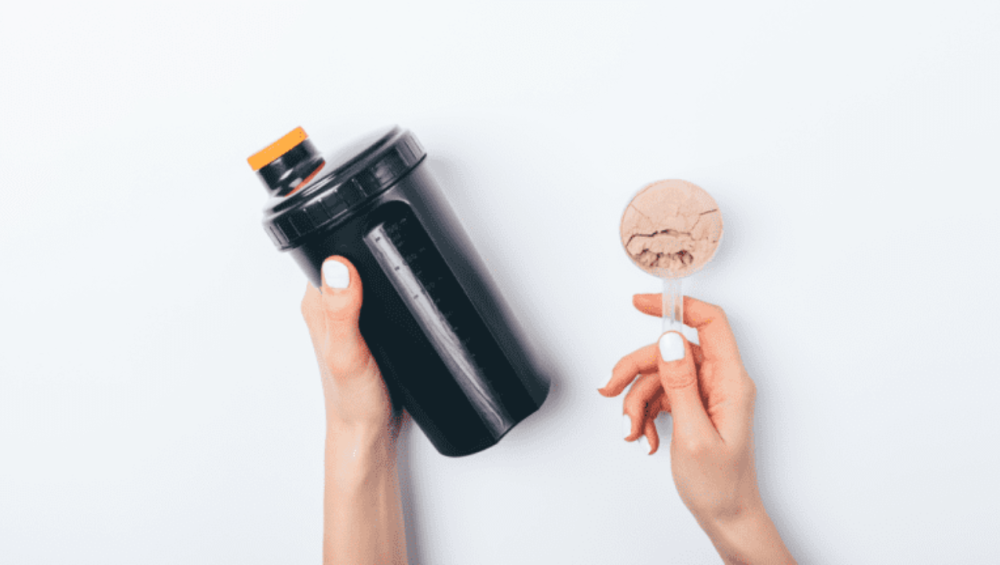
A Guide to Protein Powders for Hormone Health

Finding the right protein powder can be a game-changer for women dealing with hormonal imbalances. For me personally, I started an experiment at the end of last year following what was a sh*t year – all of last year I really struggled to get at least 90g protein/day. When I started drinking a protein shake with my meal I was easily clearing 140g protein/day and I didn’t know what to expect but I actually felt great so I stuck with it.

I never weigh myself so I have no idea what that number is but I can tell you that I now fit into a pair of jeans that I wore before I had my first child eight years ago. And this kind of makes sense given this randomized control study from 2023 highlighting high-and normal-protein diets improving body composition and glucose control (PMID: 37475689). More protein is helping me burn fat and get my Insulin right. And the question you guys always ask me is “What protein powder is best?!”

Protein is an essential building block for hormones

Protein aids in the synthesis of hormones crucial for mood regulation, sleep, and stress response, all of which are significantly impacted by hormonal health. Insufficient protein intake can lead to hormonal imbalances, which in turn, can cause a cascade of health issues. While the recommended daily allowance (RDA) for protein stands at approximately 0.8 grams per kilogram of body weight, many of us fall short. This deficit not only affects our physical health but also takes a toll on our mental and emotional well-being.

Ensuring you meet your protein goals in the morning can set the tone for your day. A high-protein breakfast can help regulate your appetite and energy levels. Below is my new favorite brand because of the attention to sourcing, prcoessing and variety!

EquipFoods 

Chocolate Prime Protein Powder, Chocolate Grassfed Collagen Peptides & Core Colostrum

Free from gluten, dairy, whey, soy, fillers chemicals, artificial flavors, artificial sweeteners and preservatives! I’ve tried all of the flavors and I loyally return to “chocolate” (what can I say – I’m a chocolate lover!) Their collagen peptides is just another great source of protein that I’ve to consume after a meal or a workout.  And every shake I make gets a scoop of colostrum – it’s “cold-pressed” which means your gut will actually benefit from this one! And because they are an awesome company – they’re extending you 15% off your first order when you use the code: DRLEBLANC.  Just click HERE to browse their products and order 🙂

Incorporating Protein Powders Into Your Daily Routine

Incorporating these powders into your routine shouldn’t feel like a chore. Like everything else – I keep it STUPID SIMPLE – filtered water + powder; before or after a meal and my meals are also easy! I make many of them from my Daily Essentials for Balanced Hormones in my store! If you need more ideas on how to incorporate protein into your day, though keep reading:

  • Breakfast Smoothie – Start your day with a protein-rich smoothie by blending your favorite protein powder with fruits, leafy greens, and your choice of milk or water.
  • The Afternoon Slump: Combat with Protein – Combat the post-lunch fatigue by stirring a scoop of protein powder into a mid-afternoon snack.
  • Post-Workout Elixir – After a strenuous workout, your body needs protein to kickstart the recovery process. Mix your protein powder of choice with water for a quick, muscle-repairing elixir that your body will thank you for.
  • Delicious Baked Goods – Get creative in the kitchen by incorporating protein powders into your favorite baked goods. From pancakes to brownies, protein-infused treats are the perfect way to indulge your sweet tooth, guilt-free.

Shopping for Protein Powders: What to Look For

When shopping for protein powders, it’s important to be discerning. Here are some key factors to consider when making your selection:

  1. Quality Ingredients – Look for powders that use high-quality, preferably organic, ingredients. Sourcing from grass-fed or ethically-raised animals can also positively impact the nutritional profile and your hormonal health.
  2. Transparency and Testing – Choose brands that are transparent about their sourcing and testing practices. Third-party testing ensures that the product is free from contaminants and of high quality.
  3. Hormonal Benefits – Opt for powders that offer more than just protein; those supplemented with hormone-supporting ingredients like adaptogens or superfoods can provide additional benefits (if that’s what you’re into).
  4. Taste and Versatility – Select a powder that you enjoy the taste of and that can easily be incorporated into various recipes.

While protein powder is an excellent resource, it’s essential to use it in moderation. Excessive protein intake can lead to its own set of health issues, including imbalances in gut flora and kidney strain. Always follow serving suggestions and consult with a healthcare professional regarding your specific dietary needs. And remember, everything in moderation!


The information provided in this blog post is for informational purposes only. The information is a result of years of practice and experience by Dr. Francesca LeBlanc. However, this information is NOT intended as a substitute for the advice provided by your physician. Do not use the information provided in this post for diagnosing or treating a health problem or disease, or prescribing medication or other treatment. Always speak with your physician or other healthcare professional before taking any medication or nutritional, herbal or homeopathic supplement, or using any treatment for a health problem. Please, do not disregard professional medical advice or delay in seeking professional advice because of something you have read on this website.

pmddCategoriesHormones Mental Health

Understanding PMDD

If you are one of the millions of women who grapple with PMDD (Pre-Menstrual Dysphoric Disorder), the days leading up to your menstrual cycle can feel like an emotional abyss. PMDD is not just about facing PMS (Pre-Menstrual Syndrome) with a bit more intensity. It’s a severe, debilitating variant that impacts your mental health, family, and work-life.

Does this sound familiar?

You struggle all month long with PMS that it’s become normal to you. Many doctors will argue it’s so common for women to struggle with PMS that it’s NORMAL. I tend to disagree (shocking! I know! ha!) If your PMS symptoms hang around longer than a week, you might not have PMS at all and it might be: PMDD.

What is PMDD?

Premenstrual Dysphoric Disorder (PMDD) is characterized by all of the symptoms of PMS alongside INTENSE mood changes that directly impact your ability to live life. For instance, the symptoms are so bad in addition to depression and anxiety that you can’t get out of bed. I can remember so clearly many moons ago, being sidelined for three days per month with lingering symptoms all month long. No one mentioned PMDD to me or Hormone Imbalances.

PMDD’s enigma lies in the fact that it shares some symptoms with severe forms of depression and anxiety, such as suicidal thoughts, mood swings, and panic attacks. Yet, it is tied to the menstrual cycle’s luteal phase, and symptoms must virtually disappear after the onset of menses.

What can you do?

While I believe working with someone in functional medicine will provide you with the clearest direction on how to determine your unique root cause, until it’s the right time for you, try managing your Blood Sugar. PMS, PMDD (and even PCOS) are hugely affected by dysregulated Blood Sugar and Insulin Resistance. A quick hit list of things to get consistent with right now:

  1. Eat breakfast!
  2. Eat a protein + fat + fiber combo for meals and snacks throughout the day
  3. Walk after dinner

Magnesium’s Impact on PMDD

Recent studies have highlighted the potential of magnesium. This essential mineral might just be a game-changer for women with PMDD. Magnesium has compelling effects on neurotransmitters. Low magnesium levels can exacerbate symptoms related to depression, anxiety, and migraines. Magnesium is involved in the synthesis of serotonin, the “feel-good” neurotransmitter, which regulates mood and sleep. In a preliminary study, participants with low magnesium levels who received magnesium supplements reported a notable decrease in premenstrual symptom severity, particularly mood-related symptoms.

You can increase magnesium in the body through dietary sources such as nuts, seeds, leafy green vegetables, and whole grains. If dietary adjustments don’t provide enough magnesium, supplements are an option, but it’s important to consult a healthcare provider first.

Omega-3’s Role in PMDD

The role of inflammation in PMDD is something else to consider. Omega-3 fatty acids, found in fish and flaxseed oil, have anti-inflammatory properties that have been found to reduce symptoms in some women with PMDD. In a study, women who took omega-3 supplements for six months experienced significantly less depression-anxiety, and markedly reduced overall severity of premenstrual symptoms. The modern diet tilts the balance too far in favor of omega-6 fatty acids, which are pro-inflammatory. To benefit from the anti-inflammatory properties, it may be necessary to consciously increase consumption of foods high in omega-3s—a shift towards more fish, walnuts, and chia seeds for example.

Remember, every woman is different. What works for one may not work for another. Don’t forget to explore more of my blog posts and reach out if you have any questions.


The information provided in this blog post is for informational purposes only. The information is a result of years of practice and experience by Dr. Francesca LeBlanc. However, this information is NOT intended as a substitute for the advice provided by your physician. Do not use the information provided in this post for diagnosing or treating a health problem or disease, or prescribing medication or other treatment. Always speak with your physician or other healthcare professional before taking any medication or nutritional, herbal or homeopathic supplement, or using any treatment for a health problem. Please, do not disregard professional medical advice or delay in seeking professional advice because of something you have read on this website.